Quick Answer
Propagate a ZZ plant (Zamioculcas zamiifolia) three ways: divide the underground potato like rhizomes for instant mature plants, root a whole stem in water over four to eight weeks, or grow new plants from single leaf cuttings over six to nine months.
Division is the fastest and most reliable. Water rooting is good for showing off the process. Leaf cuttings give you the highest yield from one donor plant but require serious patience.
1. Why the ZZ plant is unusual
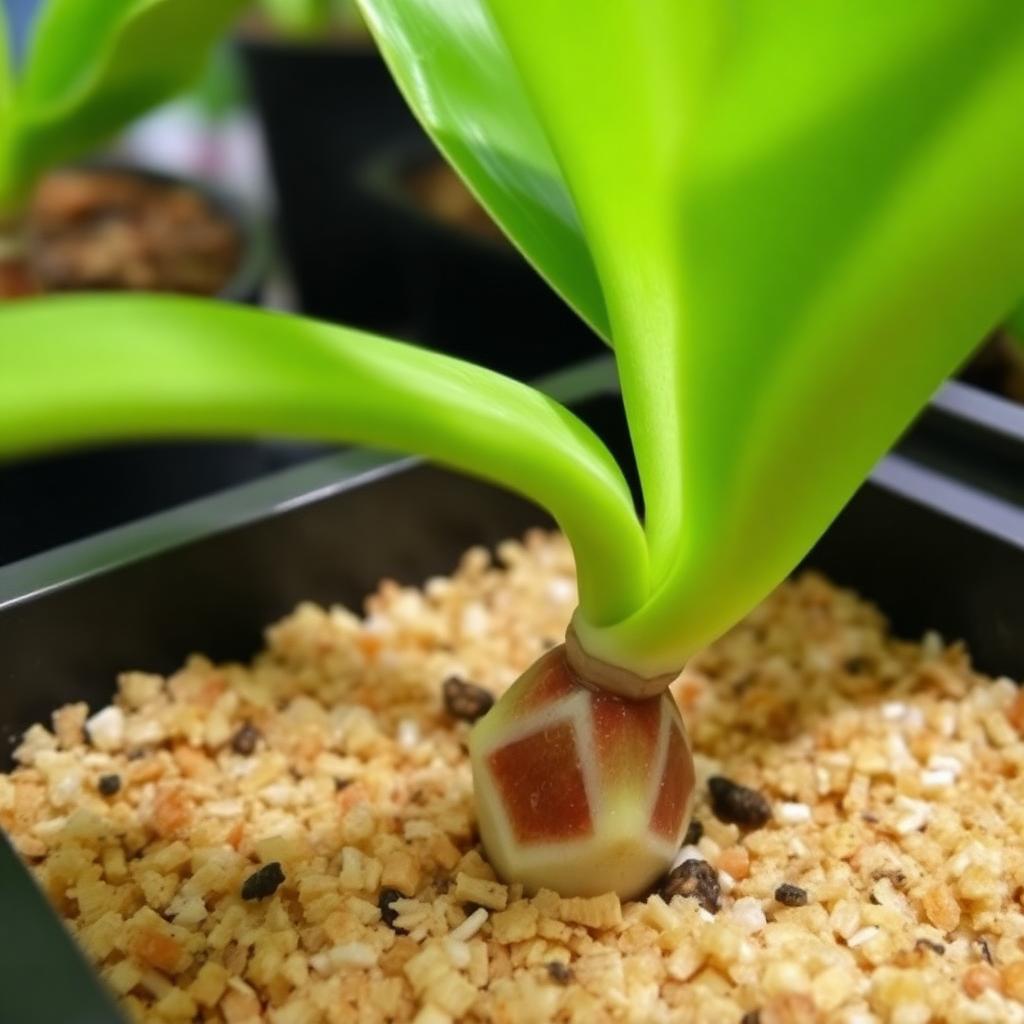
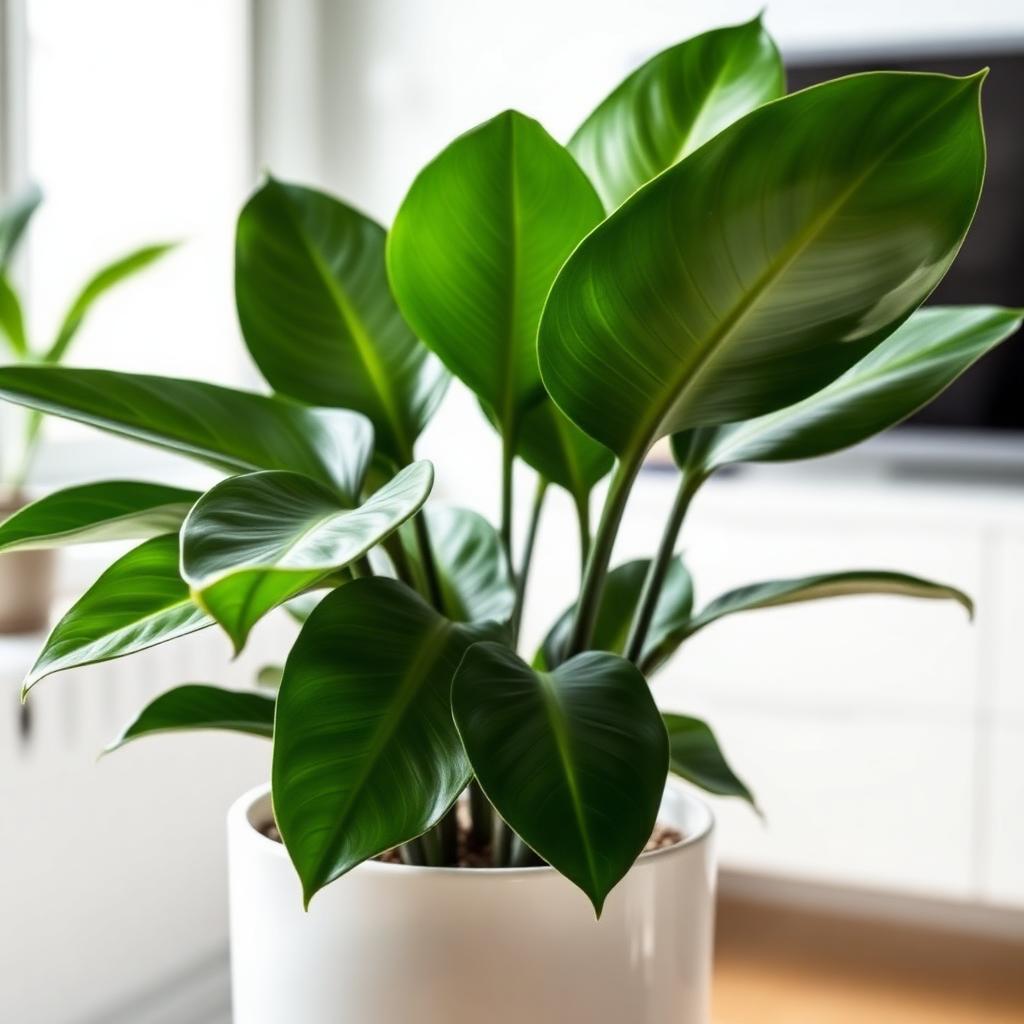
Underneath the glossy upright stems, a ZZ plant stores energy in fat underground bulbs called rhizomes. These look a little like small potatoes and hold enough water for the plant to survive months of drought.
Every successful propagation method starts or ends with building a new rhizome. That is why ZZ propagation is slower than something like a pothos or philodendron, but it also makes the new plants tough from day one.
2. Method one: rhizome division (the fast route)
If you own a mature ZZ that has filled or cracked its pot, division is the obvious choice. You get fully formed plants ready to display.
- Slide the entire plant out of its pot and brush soil off the rootball until you can see the rhizome cluster clearly.
- Identify natural break points where rhizomes are loosely joined. Most mature plants split into two to four sections easily.
- Gently pull apart by hand, or use a clean sharp knife to slice through any tough connections. Each division must keep at least one healthy rhizome and one stem.
- Pot each division into a gritty mix (one part potting soil, one part perlite, one part sand) in a pot only slightly larger than the rhizome.
- Water lightly once, then return to normal watering only after two weeks.
3. Method two: stem cuttings in water
This method works well for filling in a sparse plant or for satisfying the urge to watch roots form.
- Select a healthy mature stem and cut it cleanly at the base where it meets the rhizome.
- Place the cut end in a glass of room temperature water, keeping leaves above the waterline.
- Set the glass in bright indirect light and change the water every week to keep it fresh.
- Over the next four to eight weeks a small new rhizome bulb forms at the cut end, followed by white roots.
- Once the rhizome is the size of a marble and roots are an inch long, pot the stem into a gritty mix and water sparingly.
Patience matters. Some stems take two months before any visible change. As long as the stem is firm and green, it is working.
4. Method three: single leaf cuttings (high yield, slow)
This method turns one donor stem into a dozen or more new plants, but takes the longest. It is how nurseries propagate ZZs in volume.
- Snip individual healthy leaves at the base, where the leaf joins the stem. Each leaf is a potential plant.
- Lay the cuttings on a paper towel for 24 to 48 hours so the cut end forms a hard callus.
- Press each callused leaf base half an inch into a tray of slightly damp perlite mixed with a little potting soil.
- Keep the tray in bright indirect light at room temperature. Mist only when the medium is bone dry.
- After three to four months, a small rhizome bulb forms at the base of each leaf. After another two to four months, a new stem emerges.
Expect a success rate of fifty to seventy percent. Plant a few extra and accept that some will fail.
5. The propagation environment
All three methods do best in bright indirect light at normal room temperatures of 65F to 80F. Avoid direct sun, which cooks cuttings. Avoid cold rooms below 60F, which stall rhizome formation.
Never feed cuttings with fertiliser until they have grown actual roots and at least one new stem. Premature feeding burns the cut end and ends the propagation.
6. Aftercare for new plants
Treat newly potted ZZ propagations exactly like established plants. Bright indirect light, water only when the soil is bone dry to the touch (usually every two to four weeks), and a single light feed in spring.
Resist the urge to upsize the pot. ZZ plants prefer to be slightly rootbound, and a too large pot stays wet too long.
The takeaway
Three routes, three timelines. Divide a mature plant for instant results, root whole stems in water in a couple of months, or run single leaves in perlite if you want to triple your collection over a year. All three work because every method ends with the same goal: a new rhizome ready to power its own plant.