Quick Answer
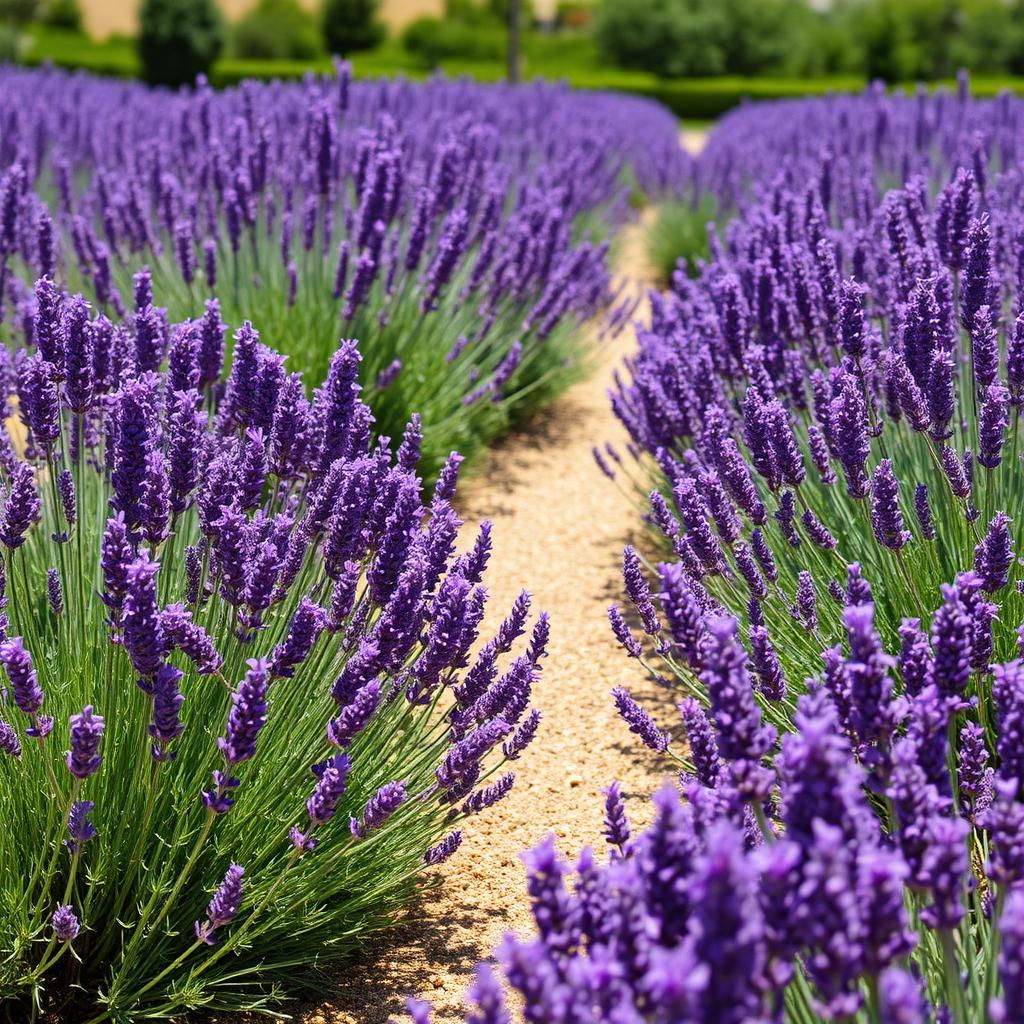
Plant lavender in the sunniest, driest spot you have. The soil should be lean and slightly alkaline (pH 6.7 to 7.3) with at least 50 percent coarse sand or fine gravel mixed in for drainage. Space plants 2 to 3 feet apart and set the crown slightly above the soil line.
Water deeply once at planting, then almost never again. Lavender dies from kindness, not neglect.
Why Most Lavender Dies in the First Year
I once lost three Hidcote lavenders in one summer to a perfect garden bed. The soil was rich, the watering schedule was steady, the mulch was thick. Every single thing I had been told to do for ornamentals was actively killing the plant.
Lavender evolved on chalky, gravelly hillsides above the Mediterranean. It expects searing sun, almost no rain in summer, and roots that breathe between waterings. Heavy, compost rich soil and a watering can will rot the crown within weeks.
Pick the Right Variety for Your Climate
- English lavender (Lavandula angustifolia): The hardiest. Survives down to USDA zone 5. Best for cold winter gardens. Varieties: Hidcote, Munstead.
- French lavender (Lavandula dentata): Toothed leaves, long bloom, only hardy to zone 8. A great container plant elsewhere.
- Spanish lavender (Lavandula stoechas): Showy bunny ear bracts, zones 7 to 9, shorter lived than English.
- Lavandin (Lavandula x intermedia): A hybrid grown commercially for oil. Bigger plants, intense fragrance. Varieties: Provence, Grosso.
Get the Soil Right Before You Buy the Plant
This is the single most important step. Lavender wants gritty, fast draining, slightly alkaline soil. If your native dirt is heavy clay, do not just dig a hole and drop the plant in.
Dig a wide hole and amend the backfill 50/50 with coarse builder sand, fine pea gravel, or expanded shale. Skip compost and skip peat. If a pH test reads below 6.5, scratch in a handful of garden lime or finely crushed eggshells before planting.
Site, Sun, and Airflow
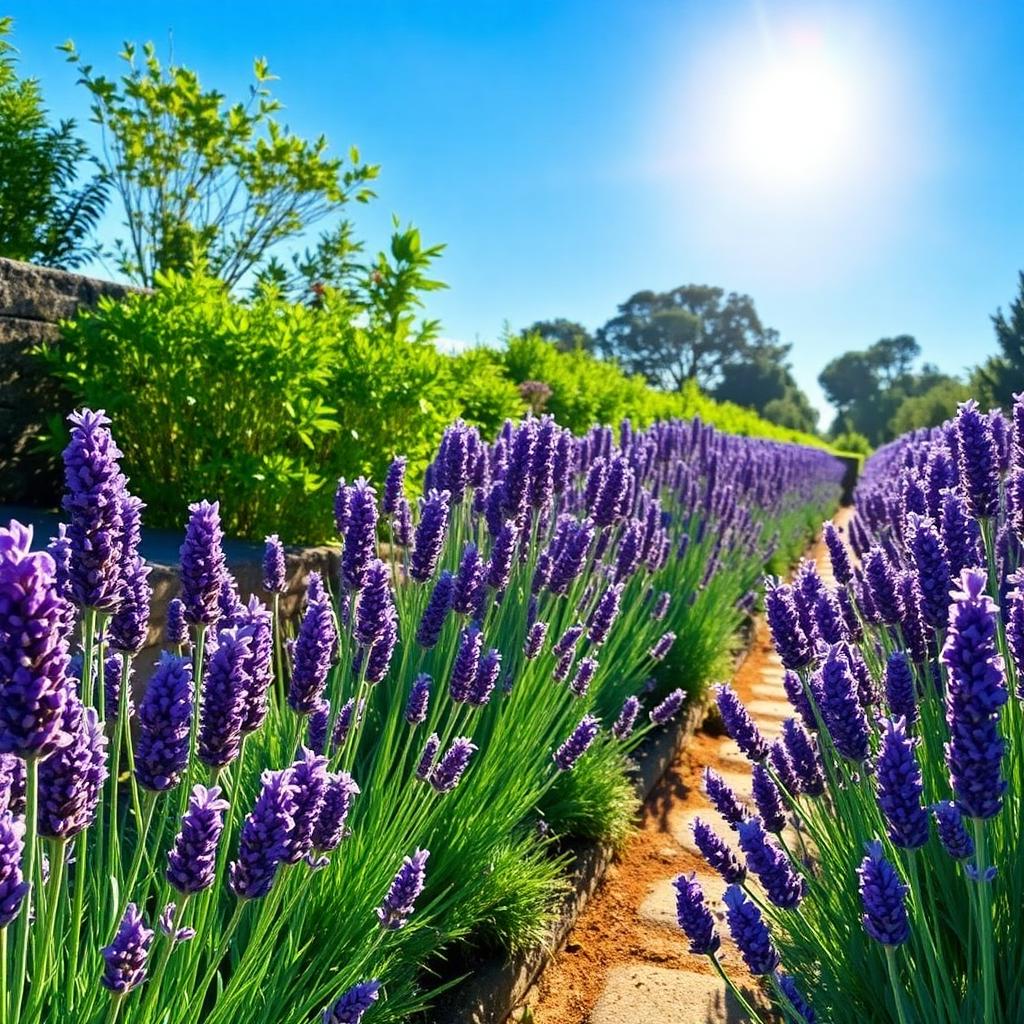
Pick the brightest, hottest spot in your yard. South facing slopes, raised beds, and the bases of stone walls are perfect. The plant needs 6 to 8 hours of direct sun a day to produce essential oils and dense bloom spikes.
Airflow matters almost as much as sun. Crowded lavender traps morning dew, which invites fungal leaf spot. Space plants 2 to 3 feet apart so summer breezes pass cleanly through the foliage.
The Planting Steps
- Dig a hole twice as wide as the nursery pot, but only as deep.
- Toss a handful of pea gravel into the bottom for an extra drainage buffer.
- Slide the plant from its pot and tease apart any tightly wound roots.
- Set the plant in the hole so the crown sits half an inch above the surrounding soil line. A buried crown is a rotted crown.
- Backfill with the gritty mix and firm gently around the roots.
- Water deeply once to settle the soil, then do not water again unless you go three weeks without rain in the first month.
Watering, Mulching, and Feeding
After the first month, established lavender is almost completely self sufficient. Water only during deep drought and only when the top three inches of soil are bone dry.
Mulch with light coloured gravel or crushed oyster shell, never with bark or wood chips. Dark organic mulches hold moisture against the crown and reflect heat poorly. Never fertilise. Rich feed produces weak floppy growth and far fewer blooms.
Pruning for a Long Lived Plant
A pruned lavender lives ten years. An unpruned one turns into a woody mess in three.
In late summer, after the main flush of bloom, shear the entire plant back by about one third into a tidy dome. Never cut into the bare woody stems at the base because lavender does not resprout from old wood. Snip green growth only.
Growing in Containers
If your native soil is hopeless clay, grow lavender in pots instead. Use an unglazed terracotta pot at least 12 inches across, fill it with a 50/50 mix of cactus soil and coarse sand, and place it where it gets six hours of sun. Bring tender varieties indoors before frost and overwinter in a cool bright room.
The Takeaway
Lavender does not need love. It needs sun, grit, space, and restraint. Match the Mediterranean: alkaline drainage, blazing light, deep but rare watering, and a tidy annual shear. Get those four things right and one cheap nursery plant will scent your garden for the next decade.