Quick Answer
Plant basil in well drained soil at least a week after the last frost, when daytime temperatures are reliably above 70F (21C). Use a mix of seventy percent quality potting soil and thirty percent perlite or coarse sand for drainage.
Sow seeds a quarter inch deep, or transplant seedlings at the same depth as their original pot. Space outdoor plants ten to twelve inches apart, give them full sun, and water at the base, not the leaves.
1. Wait for warm soil
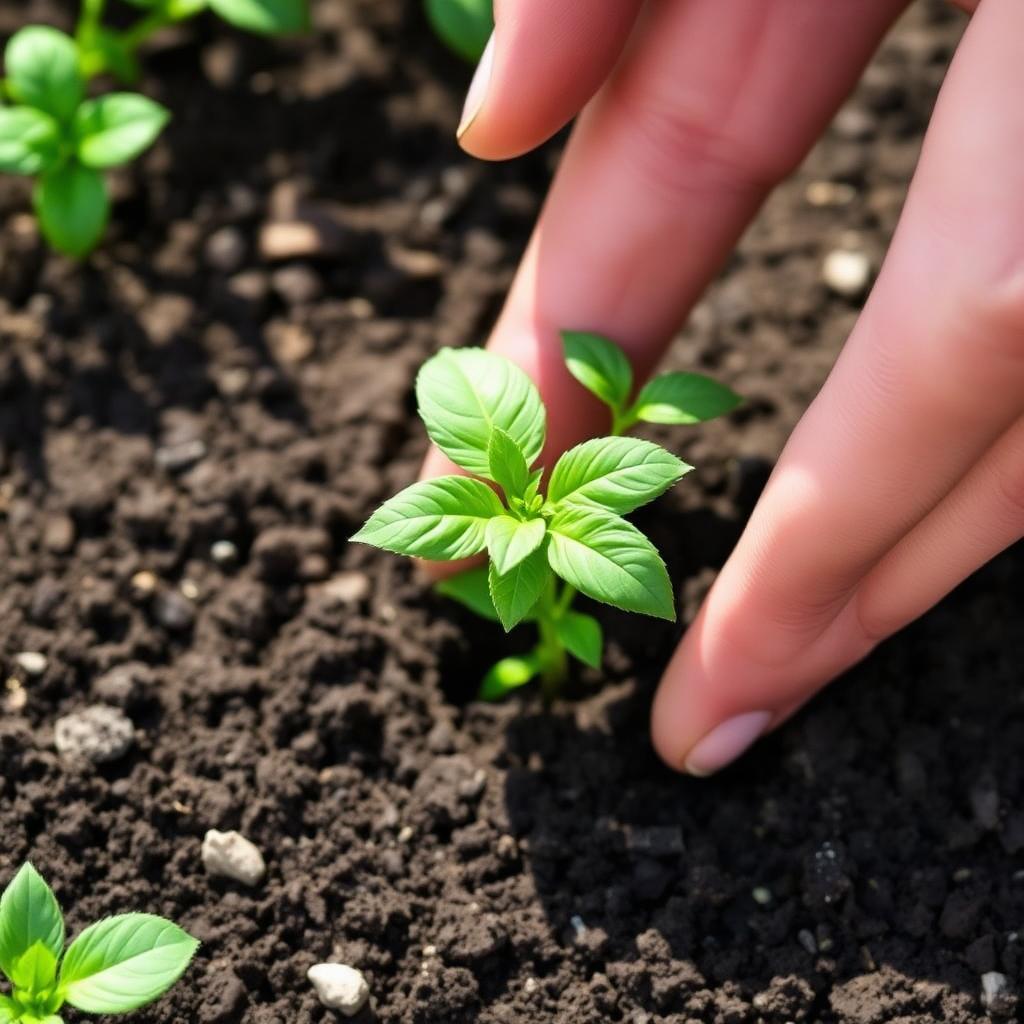
Basil is a tropical native and refuses to grow in cold soil. Plant too early and seeds rot before they germinate, or seedlings stall, turn purple, and become an easy target for slugs.
Use a soil thermometer or simply wait two weeks past your last frost date. The soil at four inches deep should read at least 70F (21C) consistently overnight. If tomatoes are not ready to go out, basil is not either, the two share identical preferences and make perfect bed companions.
2. The right soil mix
Basil hates wet feet. The roots need oxygen between waterings, and dense garden clay or heavy unamended potting soil suffocates them.
For containers, mix seventy percent quality peat or coir based potting soil with thirty percent perlite or coarse builders' sand. For garden beds, work two inches of compost and a generous helping of grit into the top six inches of soil. Aim for a loose, crumbly texture that holds together briefly when squeezed but breaks apart easily.
3. Choosing the container
If you grow in pots, pick unglazed terracotta over plastic or glazed ceramic. The porous clay wicks excess moisture out through the walls, dropping the risk of root rot dramatically. The container must have a generous drainage hole at the base.
One basil plant needs a pot at least eight inches across and eight inches deep. A smaller pot dries out within hours on a hot day and the plant stays stunted.
4. Sowing from seed
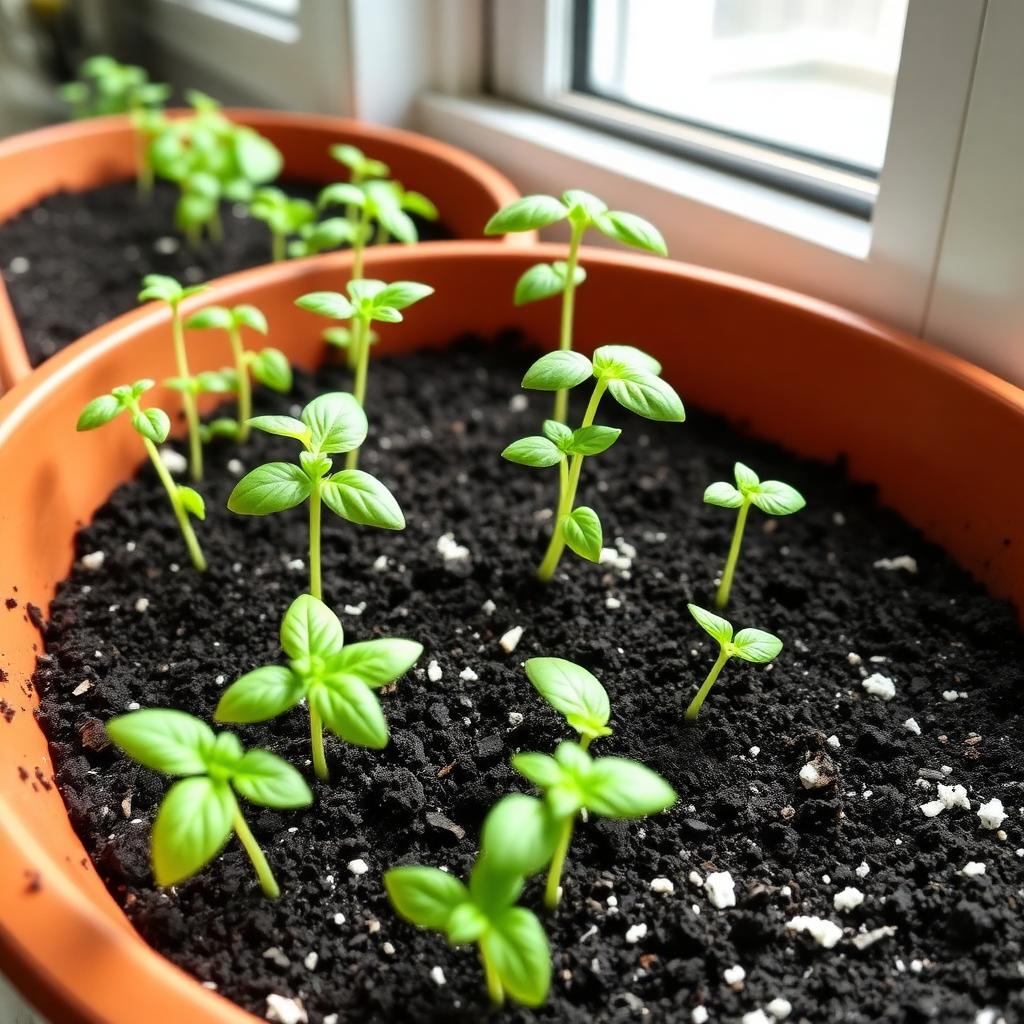
Basil seeds are tiny and reliable. Sprinkle two or three seeds together every ten inches, then cover with a quarter inch of fine soil. Press gently and mist with water until the surface is damp but not soggy.
Keep the seed bed evenly moist with daily misting. At 70F to 80F, seedlings emerge in five to seven days. Once they have two true leaves (the pointed second pair, not the rounded first pair), thin to the strongest seedling per spot.
5. Planting nursery seedlings
Skip the seed stage by buying healthy basil starts from a nursery. Look for compact, deep green plants with no yellowing and no flower spikes already showing.
- Water the seedling in its pot an hour before planting so the rootball holds together.
- Dig a hole exactly the depth of the rootball and twice the width.
- Slide the seedling out, gently loosen any circling roots with your fingers, and place it in the hole.
- Backfill so the original soil line of the rootball sits flush with the surrounding soil. Do not bury the stem.
- Water in thoroughly. Mulch lightly with straw to retain moisture and block soil splash.
6. Spacing, sun, and companions
Space outdoor plants ten to twelve inches apart. Closer and airflow suffers, which invites downy mildew. Wider and you lose the canopy shade that suppresses weeds.
Basil needs at least six hours of direct sun a day. Eight is better. In containers, rotate the pot a quarter turn every few days so growth stays even.
Plant basil alongside tomatoes and peppers. The shared light and water requirements work, and many gardeners swear basil improves the flavour of nearby tomatoes. It also repels several pests including aphids and whitefly.
7. First weeks of care
Water at the base of the plant in the morning, never on the leaves. Wet foliage at night is the leading cause of fungal collapse. Let the top inch of soil dry between waterings.
Once the plant has six sets of leaves, start pinching the tops weekly to force bushiness. Feed lightly every three weeks with a balanced liquid fertiliser at half strength. Overfeeding makes leaves bigger but reduces the essential oils that give basil its flavour.
The takeaway
Wait for warm soil, mix in plenty of grit for drainage, pick a porous pot or sunny bed, and plant at the correct depth with proper spacing. Add weekly pinching once the plant is established and basil will out produce almost any other herb in the garden.