Quick Answer
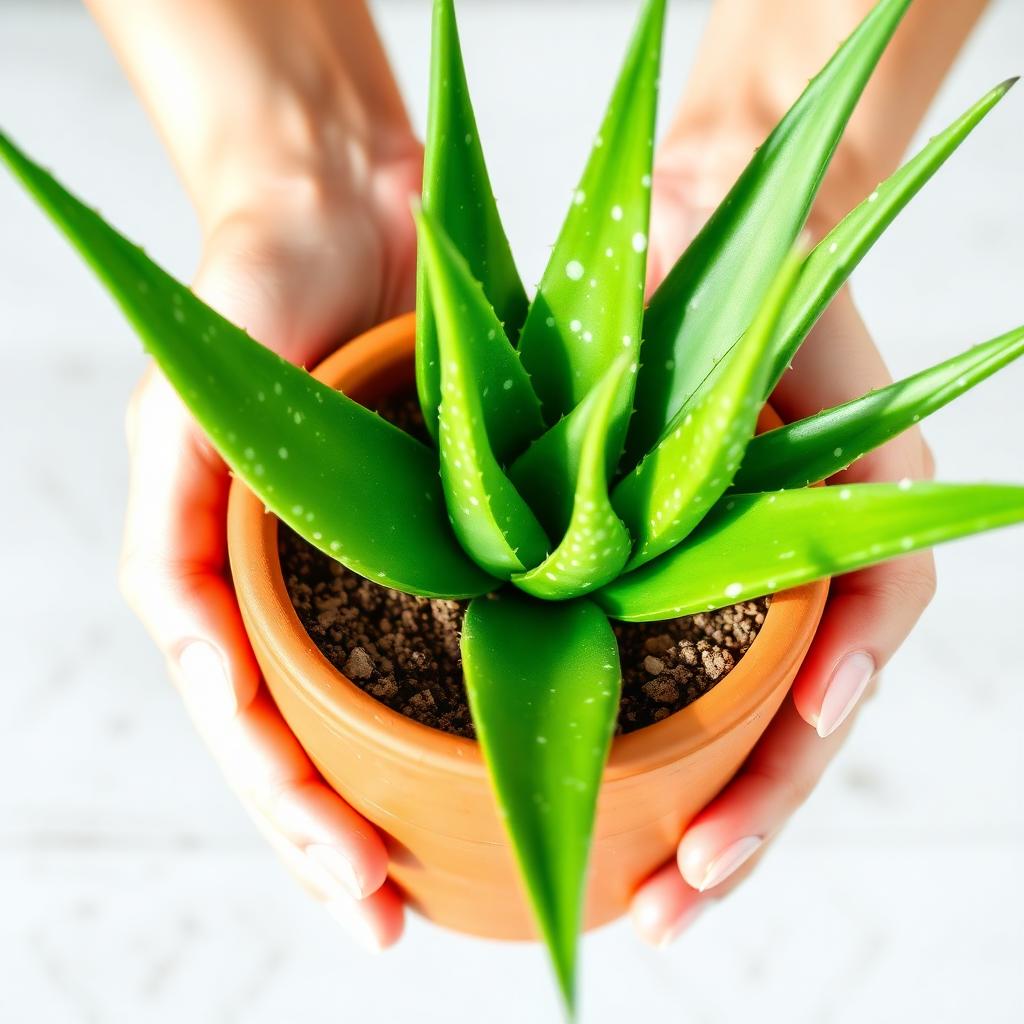
Plant aloe vera in a cactus or succulent mix (one part potting soil, one part perlite, one part coarse sand) inside an unglazed terracotta pot with a large drainage hole. Make sure the fleshy lower leaves sit above the soil line, never buried.
The single most important step is to not water the plant for at least seven days after planting. The roots need time to callus over their transplant wounds before they meet moisture, otherwise rot sets in fast.
1. Why most new aloe plants die
Aloe vera (Aloe barbadensis miller) evolved in arid African and Arabian climates. Its roots expect short bursts of rain followed by long dry spells. Drop it into damp, heavy potting soil inside a plastic pot and you get the opposite, constant moisture against the crown.
The first sign of trouble is the lower leaves turning translucent yellow and going soft to the touch. By the time you notice, the rot has usually reached the stem and the whole plant is lost.
2. The right soil mix
Standard potting soil holds far too much water for aloe. Either buy a premixed cactus and succulent blend, or mix your own:
- One part quality potting soil
- One part perlite (small white volcanic granules)
- One part coarse horticultural sand or pumice
The finished mix should feel gritty and drain water within seconds when you pour a cup through a sieve. If water pools on the surface, add more perlite.
3. The pot matters
Use unglazed terracotta with a drainage hole. The clay walls are slightly porous and pull moisture out of the soil, which dries the rootball faster than any plastic pot ever could.
Match the pot size to the plant, not to the future. Aloe roots prefer to be slightly snug. A pot only an inch wider than the rootball is correct. Go too big and the excess soil stays wet for weeks after every watering.
4. Inspect the roots before planting
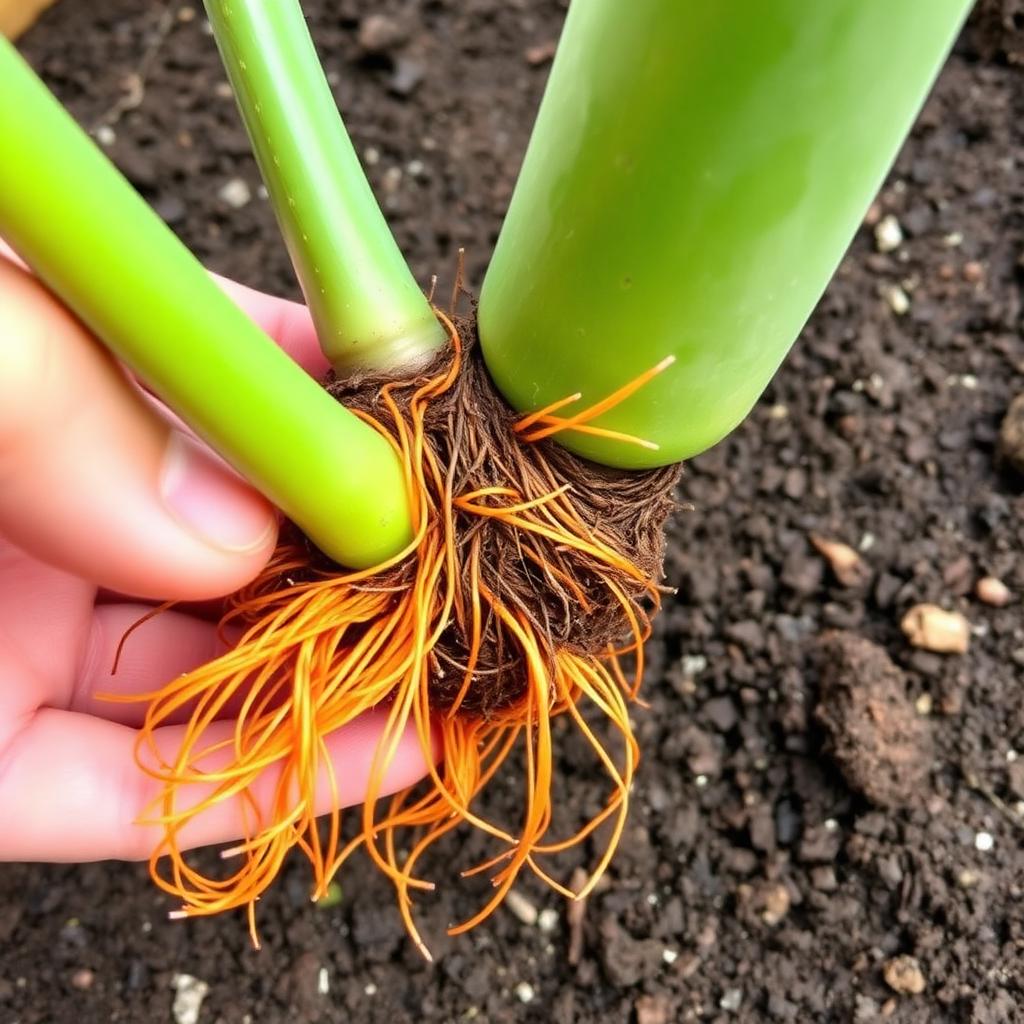
Slide the aloe out of its nursery pot and brush away the old peat mix. Healthy roots are firm and pale orange or beige. Black, mushy, or smelly roots need to be snipped off with sterilised scissors. If most of the root mass is rotten, take a fresh offset from the side instead and start over.
5. Planting depth: the crown rule
Fill the pot about two thirds with your gritty mix. Centre the aloe and add more mix around the roots, pressing firmly to anchor the heavy top.
The critical check: the green fleshy bases of the lower leaves must sit above the soil line. If you bury them, they absorb water through the skin and rot. Top dress with a half inch of small gravel or coarse sand to keep the crown dry and prevent soil splash.
6. The seven day dry rule
With most houseplants, you water immediately after potting. With aloe, you do the opposite. Transplanting tears tiny root hairs. Those wounds need to dry and form a hard callus before they meet moisture, otherwise soil borne bacteria walk straight in.
Leave the pot bone dry for seven full days. Place it in bright indirect light, not full sun, while it settles. After a week, give the soil a deep, thorough soak until water runs from the drainage hole, then let it dry completely before watering again.
7. Ongoing care
Once established, aloe wants four to six hours of bright light a day, ideally a south or west facing window. Water only when the soil is bone dry, which usually means every two to three weeks in summer and every four to six weeks in winter.
Feed once in spring with a diluted succulent fertiliser. That is all. Aloe is a plant that punishes attention and rewards neglect.
The takeaway
The recipe is gritty soil, porous pot, crown above the surface, and seven dry days after planting. Get those four right and an aloe vera plant settles in fast, throws off pups within a year, and stays alive for decades.