Quick Answer
For a safe topical blend, add 6 drops of essential oil per 1 ounce (30ml) of carrier oil for a 1 percent dilution, which is the standard for daily body lotions and massage oils. Use 3 drops per ounce (0.5 percent) for facial blends and sensitive skin, and up to 12 drops per ounce (2 percent) for short term targeted muscle blends. Always use a glass dropper bottle, add the carrier first, then the essential oils.
Why dilution is non negotiable
Essential oils are extremely concentrated. A single drop of peppermint oil can represent dozens of cups of fresh peppermint leaves. Applied undiluted, that concentration causes contact dermatitis, sensitization (where you develop an allergic reaction over time), or in some cases chemical burns. Dilution is not about making the oil weaker than it needs to be, it is about making the dose match what skin can actually absorb safely.
Choosing a carrier oil
- Jojoba oil: closest match to human sebum, excellent for face, non comedogenic, very long shelf life.
- Fractionated coconut oil: stays liquid at room temperature, lightweight, almost no scent of its own, very stable.
- Sweet almond oil: richer feel, great for full body massage blends, shorter shelf life so buy small bottles.
- Grapeseed oil: very light feel, absorbs quickly, good for hot weather formulas.
Avoid mineral oil for any blend you want skin to actually absorb. It sits on top.
The dilution math
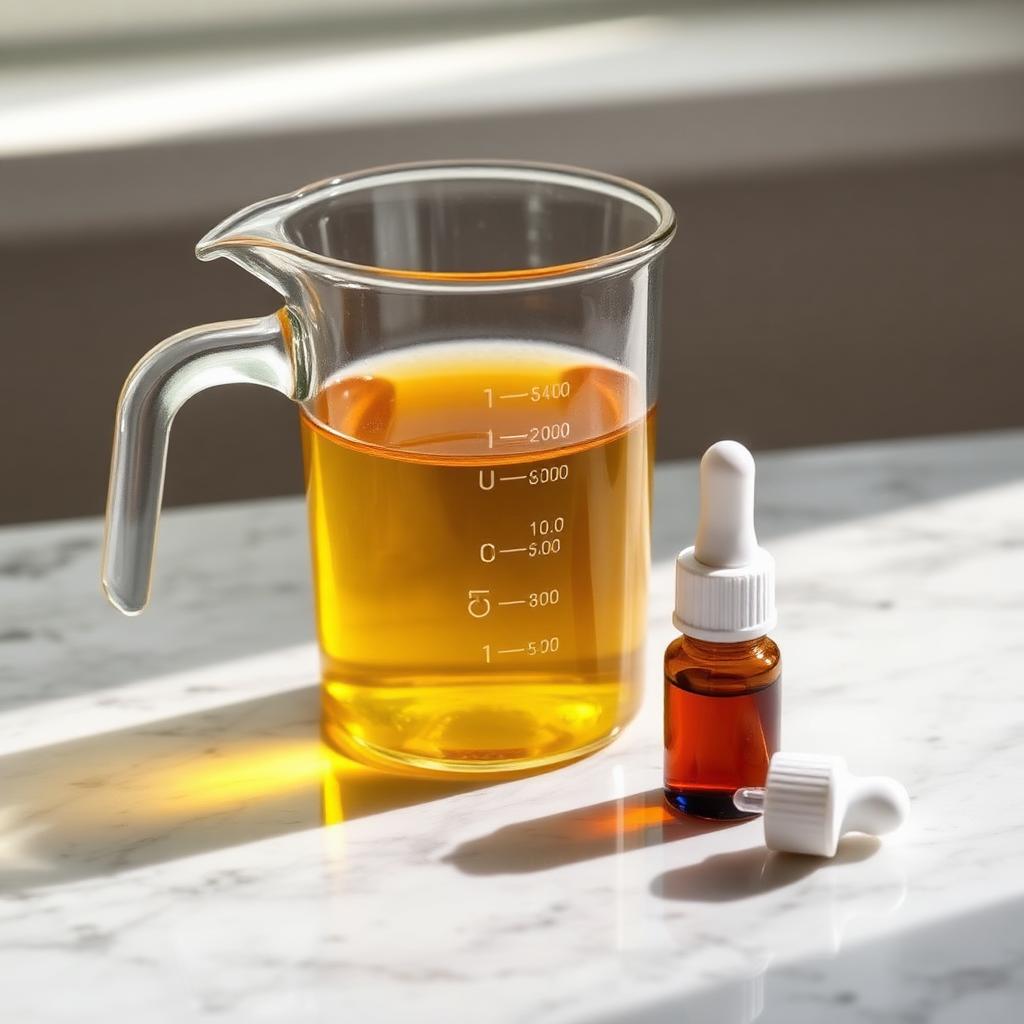
For practical kitchen counter work the rule is simple: percent of dilution times 6 equals drops per ounce.
- 0.5 percent (3 drops per ounce): facial blends, very sensitive skin, daily use on broken or healing skin.
- 1 percent (6 drops per ounce): the standard for daily body lotions, full body massage oils, kids over 6.
- 2 percent (12 drops per ounce): targeted use on a small area, muscle rubs, bath oil blends, short term skin issues.
- 3 percent (18 drops per ounce): only for short term use on localized areas like a single joint or a specific stain or spot. Not for full body application.
Step by step blending
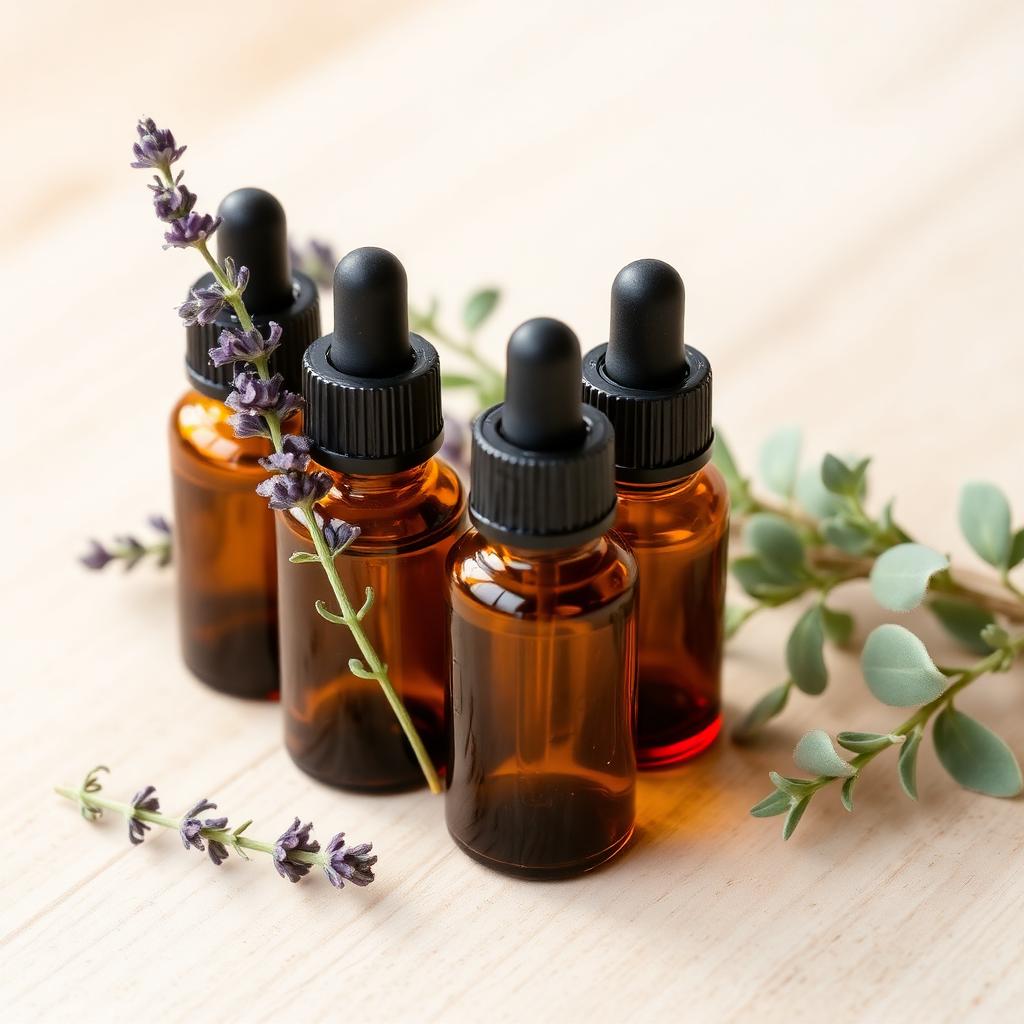
- Use a dark amber or cobalt blue glass bottle. Essential oils break down in clear glass and leach chemicals from plastic.
- Pour the carrier oil into the bottle first, filling to roughly the shoulder line so there is room to add drops without overflow.
- Add the essential oils one drop at a time, counting carefully. If blending multiple oils, the total drops should equal your target dilution, not the drops of each oil added.
- Seal the bottle, then roll it gently between your palms for 30 seconds to mix. Do not shake vigorously, that introduces air and accelerates oxidation.
- Label the bottle with the blend, the dilution percentage, and the date.
Safety notes worth taking seriously
- Patch test every new blend on the inside of your forearm and wait 24 hours before broader use.
- Some essential oils are photosensitizing (bergamot, lemon, lime, grapefruit). Avoid sun exposure on areas where you have applied them for 12 hours.
- Pregnant or nursing people should consult a clinical aromatherapist or doctor before using any essential oil topically.
- Never apply essential oils undiluted, including to the soles of feet. The skin there absorbs efficiently and undiluted application is a common cause of sensitization.
- Keep blends out of reach of children and pets. Many oils that are safe for humans are toxic to cats in particular.
Storage and shelf life
Stored in a dark glass bottle in a cool cabinet, most blends last 6 to 12 months. Citrus heavy blends oxidize faster and should be used within 6 months. If a blend smells different from when you mixed it, oxidation has happened, do not use it on skin.
The takeaway
The math is simple. Six drops per ounce gives you a safe 1 percent body blend. Three drops per ounce gives you a safe 0.5 percent face blend. Carrier first, oils second, dark glass always. Patch test every new combination. That is the entire safety framework.
Frequently asked questions
Can I just use water as a carrier?
No. Essential oils are not water soluble. They float on water and you end up applying undiluted oil to skin.
What about coconut oil that goes solid?
Solid virgin coconut oil works for body butters but fractionated coconut oil is more practical for liquid blends.
How long does a blend last?
Six to 12 months in dark glass in a cool place, less for citrus heavy blends.
Building a useful starter blend
A good general purpose body blend at 1 percent dilution in 1 ounce of fractionated coconut oil is 3 drops lavender, 2 drops sweet orange, 1 drop frankincense. The lavender provides a soothing base, the orange brightens the scent, and the frankincense adds a grounded resinous note that ties the blend together. It plays well after a shower or as a winding down rub at the end of the day.
What dilution to use on children
Children under 6 should use 0.25 percent maximum (1 to 2 drops per ounce), and only with oils that have established pediatric safety profiles like lavender, Roman chamomile, and dill. Children under 2 should not have any essential oils applied topically without explicit guidance from a pediatrician or clinical aromatherapist. Eucalyptus and peppermint in particular can cause respiratory distress in small children.
Avoiding the most common mistakes
The most common mistake is treating drop counts as approximate. Drop sizes vary between bottles, so the difference between 3 drops and 5 drops in a 1 ounce blend can push you from a safe facial dilution to one that irritates skin. Use a glass dropper and count carefully.
How to choose oils that work well together
Essential oils are typically grouped by their dominant scent note: top notes (citrus, eucalyptus) that you smell first, middle notes (lavender, rosemary, geranium) that form the body of the blend, and base notes (frankincense, cedarwood, vetiver) that anchor and extend the scent. A balanced blend uses oils from at least two of those groups, often all three.
The ratio that almost always works is 3 parts middle notes, 2 parts top notes, 1 part base notes. Start with that proportion and adjust to taste.
Storing essential oils correctly
Keep essential oils themselves (not just blends) in their original dark glass bottles, in a cool dark cabinet, with the caps fully tightened. Heat, light, and oxygen are the three enemies. A bottle stored properly stays useable for two to four years depending on the oil, while citrus oils degrade fastest.