Quick Answer
To kill poison ivy without harming nearby plants, use targeted application instead of broad spray. Triclopyr is a selective herbicide that kills broadleaf woody vines while sparing grasses. For ivy tangled with shrubs, paint herbicide directly on the leaves with a gloved hand wrapped in a cotton sock.
For thick vines climbing trees, cut the stem near the ground and paint concentrated triclopyr on the fresh stump within five minutes. Never burn the cut vines because urushiol oil rides the smoke and damages lungs.
Why Poison Ivy Is So Tough
Every part of poison ivy carries urushiol, an oil that triggers a blistering rash on more than 80 percent of people who touch it. The vines spread by underground runners and bird dropped seeds, so a small patch can become a smothering carpet in a few seasons.
Pulling it out by hand works for tiny seedlings, but mature roots run deep and broken pieces resprout. Chemical control is usually the most reliable path.
Choose the Right Herbicide
Two active ingredients matter for selective poison ivy control.
- Triclopyr: A selective broadleaf killer. It targets woody plants and broadleaf weeds while leaving lawn grasses unharmed. Best choice in mixed beds and lawns.
- Glyphosate: Kills almost anything green. Reserve it for isolated patches or for the painting technique below.
Apply on a calm day when temperatures sit between 15 and 29 degrees Celsius. Wind drift can ruin a vegetable bed in seconds.
The Glove in Glove Painting Technique
When poison ivy is woven through a prized shrub or perennial border, spraying is impossible. Painting solves it.
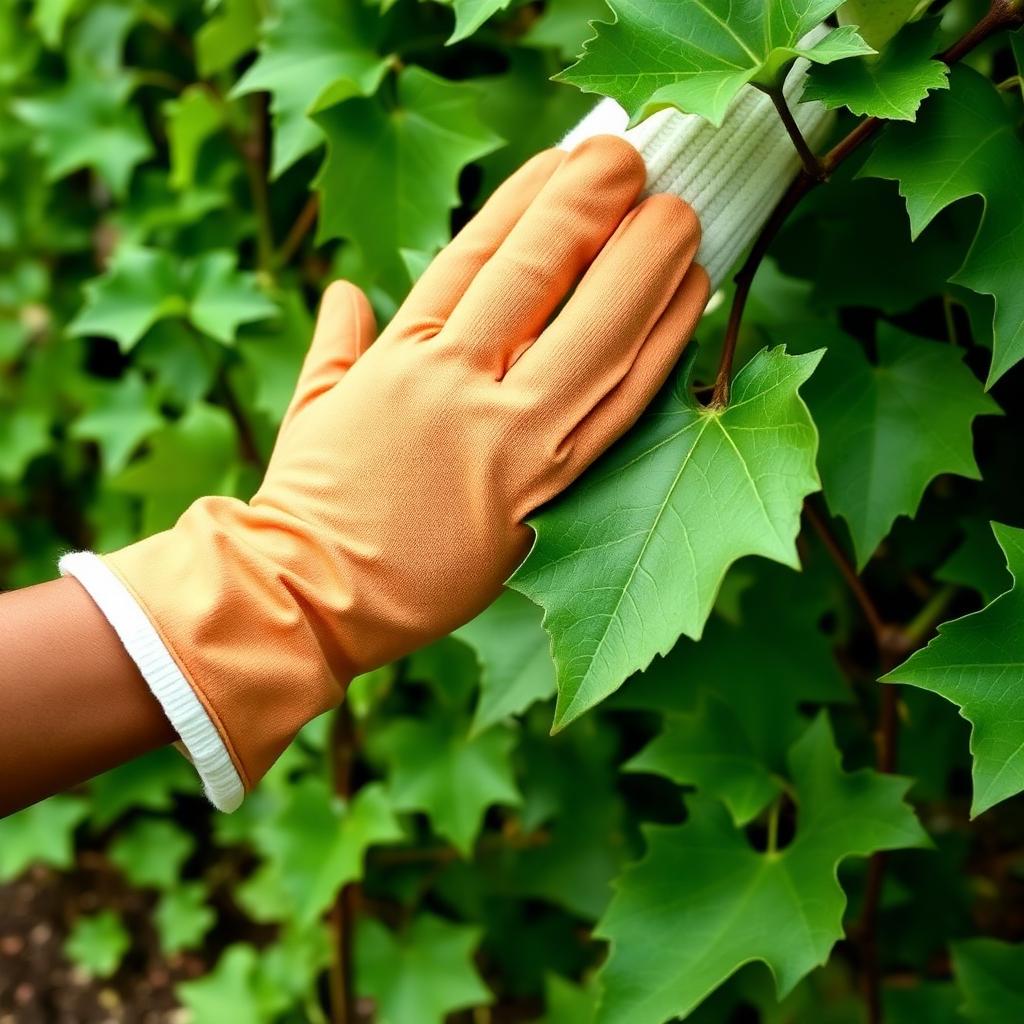
- Wear long sleeves, eye protection, and thick chemical resistant nitrile gloves.
- Pull a large cotton sock over your gloved hand.
- Dip the sock lightly into concentrated herbicide.
- Carefully grasp each poison ivy leaf and wipe the chemical onto the surface.
The plant absorbs the chemical through the leaves and translocates it to the roots over a week or two. Nearby ornamentals stay clean because nothing was sprayed.
The Cut Stump Method for Tree Vines
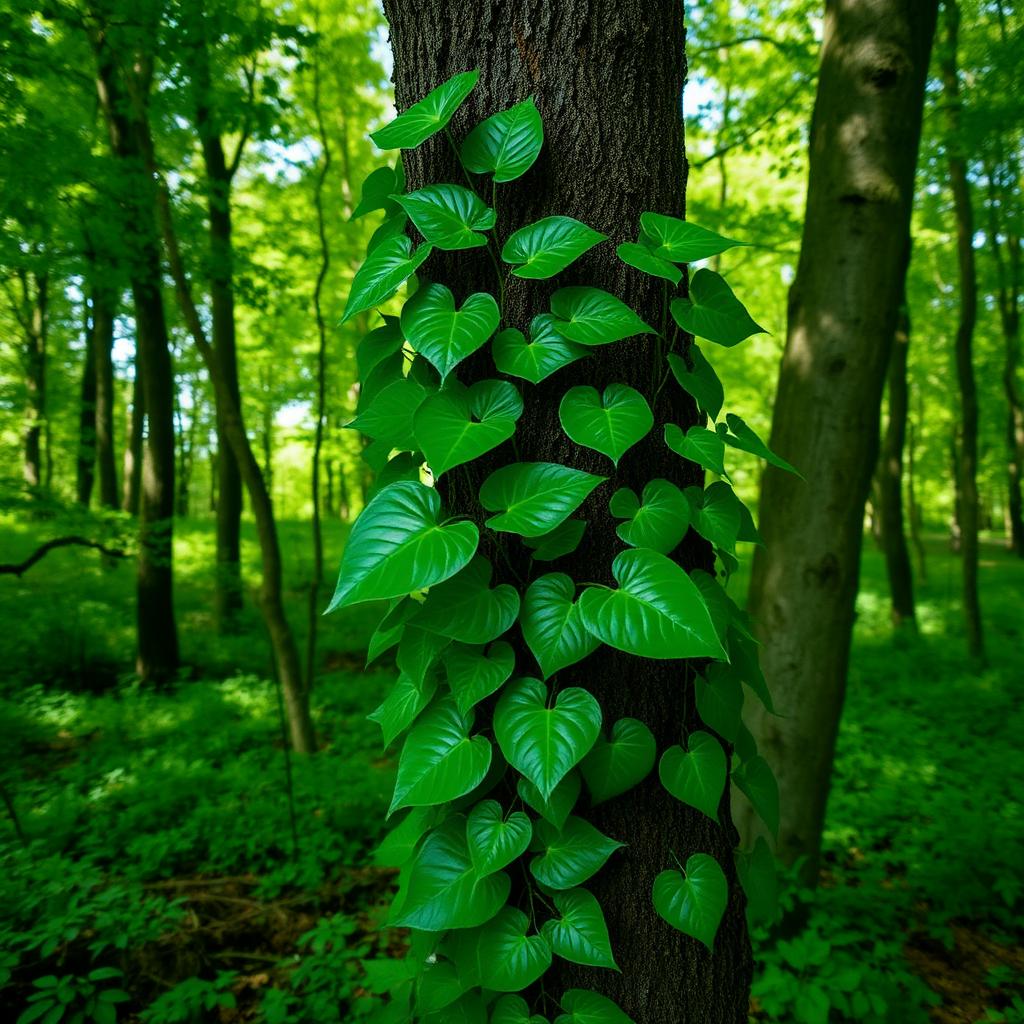
Hairy ropes of poison ivy climbing a mature tree need a different approach. Never rip the vine off the bark. Pulling sprays oil onto your skin and damages the tree.
Use sharp bypass pruners to cut the vine cleanly about 3 inches above the soil. Within five minutes, paint a concentrated triclopyr brush killer directly onto the fresh cut surface with a foam brush. The roots will absorb the chemical and die. The top portion of the vine will wither in place over the summer and eventually fall away on its own.
Manual Removal Without Chemicals
If you refuse to use herbicide, mechanical removal works for small patches. Wait for damp soil after rain, suit up in full protective clothing, and pull each plant out with as much root as possible. Place everything in heavy duty trash bags and tie them tightly.
Repeat every few weeks because broken root fragments resprout. Expect at least two full seasons of vigilance before a patch is truly gone.
Critical Safety Rules
- Never burn poison ivy. Urushiol survives fire and binds to smoke particles. Breathing the smoke causes severe internal blistering of the throat and lungs that can require hospitalization.
- Bag the debris. Do not compost it. Send cuttings to the landfill in sealed bags.
- Decontaminate tools. Urushiol stays active on metal and fabric for years. Wash pruners, shovels, and clothing with isopropyl alcohol or a dedicated cleanser like Tecnu immediately after use.
- Shower right away. A cool shower with grease cutting soap within an hour of exposure removes most oil before it bonds to skin.
The Takeaway: What to Plant Afterward
Bare soil invites poison ivy back. After eradication, mulch the area heavily and replant with dense ground covers like creeping thyme, vinca, or native sedges. A thick living carpet leaves no room for new seeds to sprout.
Keep checking the area for two or three years. Buried roots can wake up long after the visible plants are gone, and a single early shoot is far easier to deal with than another full patch.