Quick Answer
Keep strawberries off the ground with a 2 to 3 inch layer of clean straw mulch, plastic support cradles around each plant, landscape fabric between rows, or by growing in vertical towers and hanging baskets.
Each option lifts the fruit clear of damp soil, blocks slugs, and dramatically reduces fungal rot. Pick the one that fits your space and budget.
Why Ground Contact Ruins Strawberries
Strawberry stems are thin and bend under the weight of ripening fruit. When a berry touches damp soil it picks up dirt, attracts slugs and pillbugs, and quickly develops gray mold or anthracnose. A single rotting berry can spread fungus to the rest of the cluster within a day.
Lifting the fruit even an inch above the soil improves airflow, keeps the berry dry, and produces a clean glossy harvest.
Method 1: Clean Wheat Straw
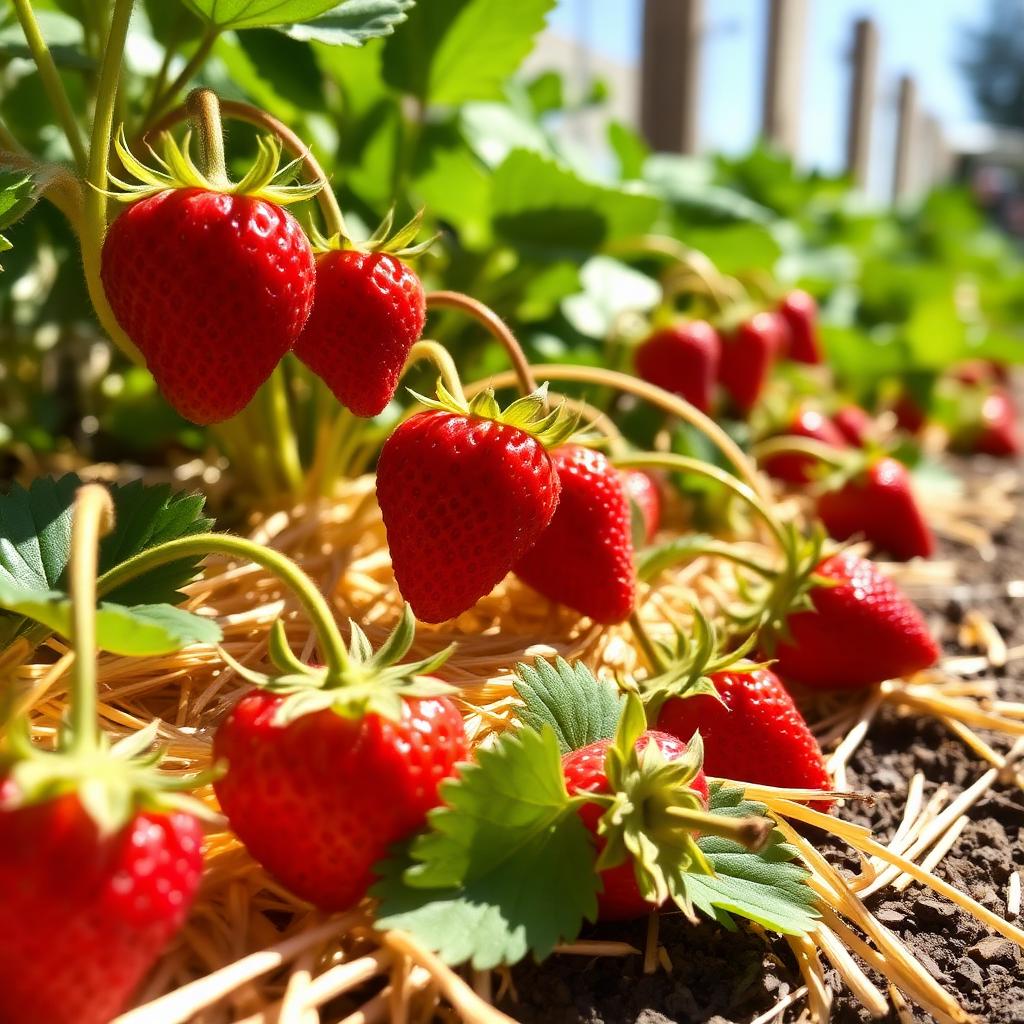
This is the classic for a reason. Spread a 2 to 3 inch layer of clean seed free straw under and around the plants as soon as flowering starts. The straw cradles the fruit, blocks soil splash during rain, and dries out fast in the sun.
Avoid hay because it carries weed seeds that will sprout in your bed. Pine straw works too and adds mild acidity that strawberries enjoy. Refresh the layer once a season.
Method 2: Plastic Support Cradles
Strawberry cradles are circular wire or plastic frames on small stakes. They snap around the central crown and hold the fruit stems up like a tiny table.
These are perfect for raised beds and patio containers where straw would look messy. They cost a few dollars each, last for years, and lift the entire fruit cluster a clean 3 inches above the soil. Slugs and pillbugs cannot reach what they cannot climb.
Method 3: Landscape Fabric Between Rows
Commercial strawberry farms cover the entire bed with black landscape fabric and cut a small hole for each plant. Fabric warms the soil, smothers weeds, and keeps fruit on a clean dry surface.
For home use, lay a strip of fabric down each row and pin it with garden staples. Berries hang over the fabric instead of sinking into mud. The same fabric typically lasts for the full 3 to 5 year life of the strawberry bed.
Method 4: Vertical Towers and Hanging Baskets
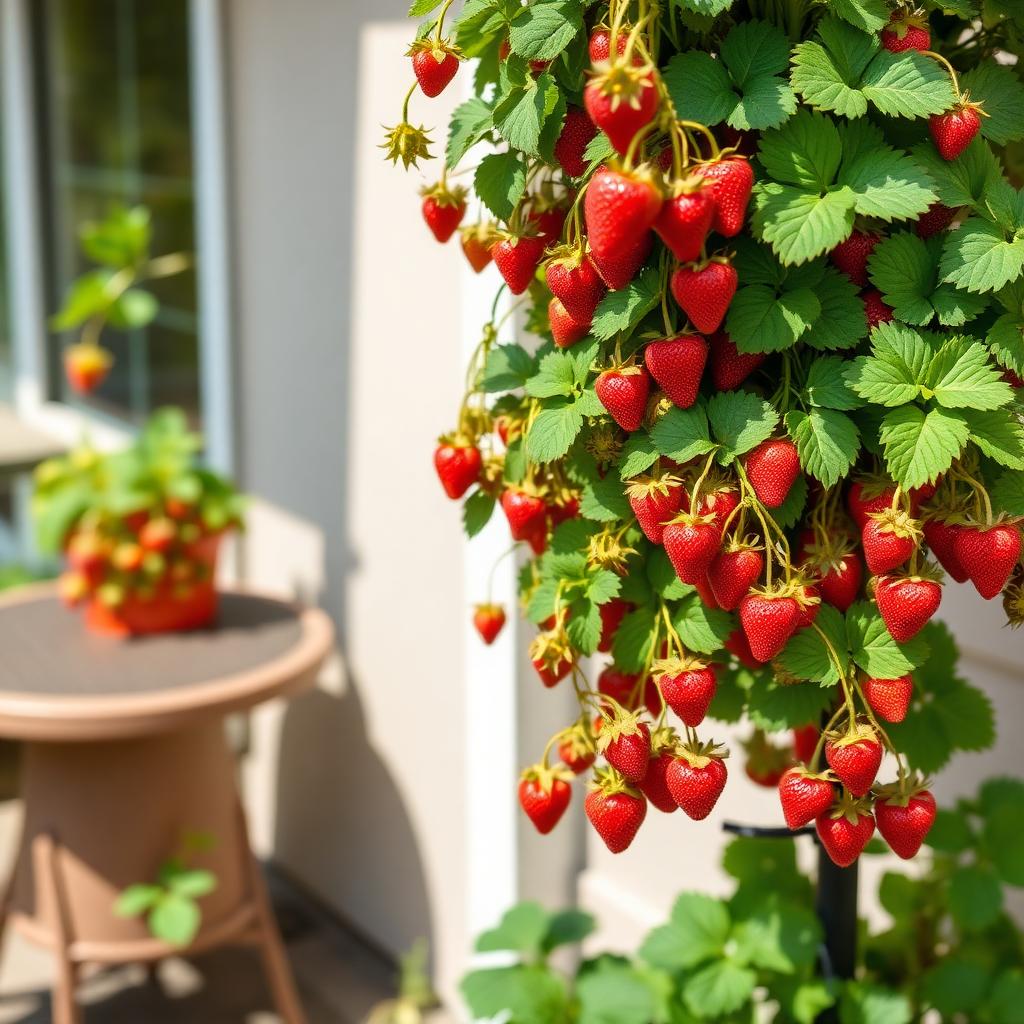
Strawberries have shallow root systems, which makes them perfect for stacked planters, gutter gardens, and hanging baskets. Fruit drapes over the edges, gets full sun on all sides, and stays well above any pest highway on the soil.
Towers also save space. A standard 4 foot tower can hold 20 to 30 plants in less than 2 square feet of patio. Water more often because containers dry out faster than garden beds.
Companion Tips for Cleaner Berries
- Drip irrigation or soaker hoses keep water off leaves and reduce fungal disease.
- Pick ripe berries every two days during peak season. Overripe fruit on the plant attracts pests.
- Net the bed to keep birds from sampling each ripening berry.
- Remove yellow or rotted leaves promptly so air can move through the canopy.
Slug and Snail Defense
Even with the fruit lifted, slugs can climb stems and reach a hanging berry overnight. Set out iron phosphate slug pellets, which are safe around pets and wildlife. A shallow saucer of beer sunk to the rim of the bed traps slugs without chemicals.
Encourage natural predators by leaving a few rough corners in the garden for ground beetles. They patrol at night and clean up small pests without help.
The Takeaway: Pick the Right Method for Your Garden
For a sprawling in ground patch, straw is hard to beat. For neat raised beds, plastic cradles look tidy and last for years. For a balcony or small patio, a vertical tower turns 2 square feet into a full season harvest. Combine two methods if your patch is big and your slugs are bold, and you will eat clean ripe strawberries straight from the plant for weeks.