Quick Answer
Install 1 inch mesh chicken wire at least 2 feet tall, with the bottom 6 inches bent outward and buried under the soil. Layer that with a scent based repellent like blood meal or garlic spray around the perimeter, and lift vulnerable crops into raised beds above 2 feet tall.
No single trick keeps a determined rabbit out. Stacking three different defences is what actually works.
Why Rabbits Are So Hard to Stop
A single eastern cottontail can clear cut a row of new lettuce, tulip shoots, and bean seedlings in one quiet morning. Their teeth never stop growing, so they chew constantly. They breed three to four litters a season. And they remember a productive patch and return to it every night.
That combination means flimsy or one off solutions fail almost immediately. The trick is to build layers.
Layer One: A Real Physical Fence
Nothing replaces a proper barrier. Build it once and the problem ends.
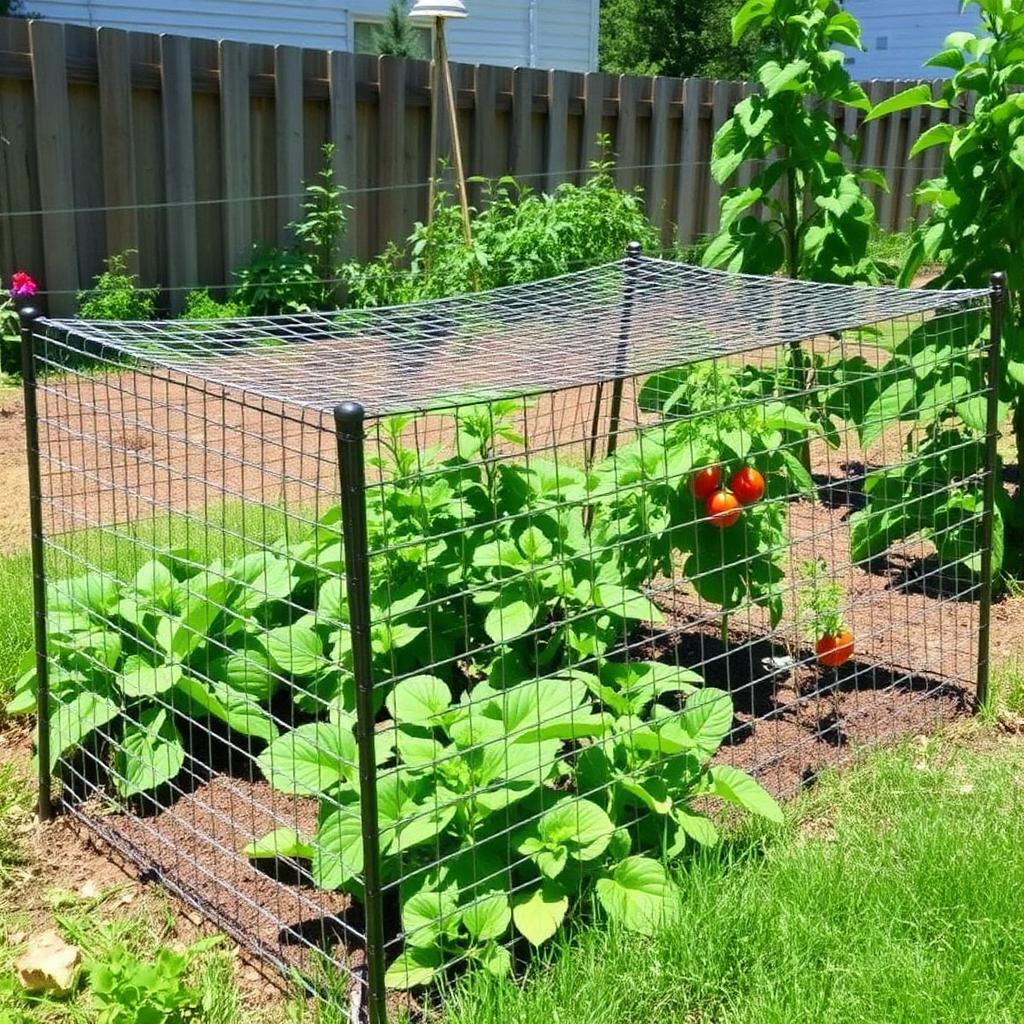
- Material: Galvanised 1 inch mesh chicken wire or hardware cloth. Larger openings let baby rabbits squeeze through.
- Height: 24 to 30 inches above ground. Cottontails rarely jump higher than that.
- Buried lip: Bend the bottom 6 inches outward (away from the bed) into an L shape and bury it just under the soil. This stops the rabbits when they try to dig under.
- Supports: Light metal U posts every 6 to 8 feet are plenty for chicken wire.
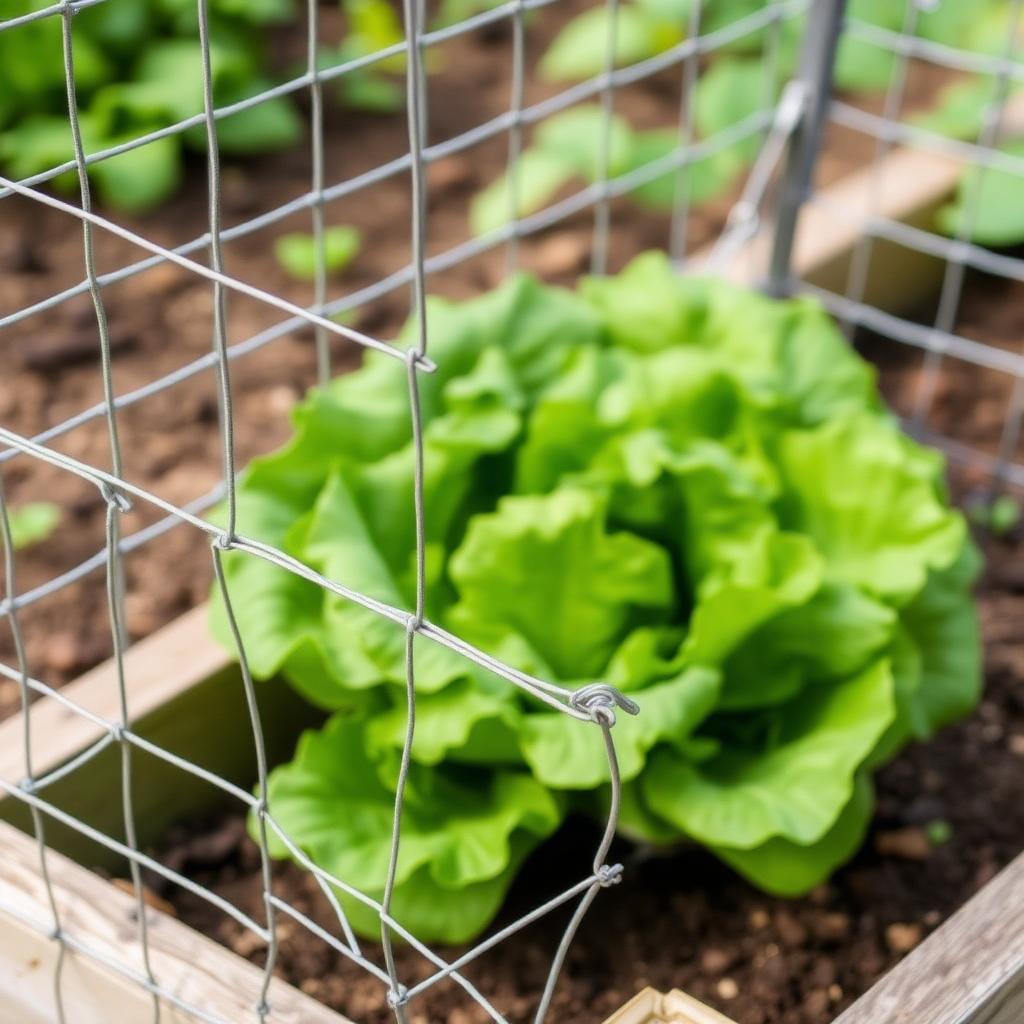
For larger plots or jackrabbit country, raise the fence to 36 inches and use 2 by 4 welded wire instead.
Layer Two: Scent Based Repellents
Rabbits rely on their nose to detect predators. You can hack that instinct with strong organic scents.
Blood Meal
Dried blood meal is a high nitrogen fertiliser that smells, to a rabbit, exactly like a recent predator kill. Scatter a thin ring around vulnerable beds and reapply after heavy rain. Bonus: it doubles as a slow release nitrogen feed for leafy greens.
Garlic and Capsaicin Spray
Blend a head of garlic and a tablespoon of red pepper flakes with a litre of water, strain, and add a few drops of dish soap as a sticker. Spray onto the foliage of any plant rabbits favour. Reapply weekly and after rain. Rabbits learn quickly and avoid the area.
Predator Urine
Commercial fox or coyote urine granules around the garden perimeter work for some yards but lose effectiveness as rabbits realise no actual predator follows.
Layer Three: Grow Up, Literally
If you are tired of fencing the whole yard, shift your most loved crops into raised beds at least 24 to 30 inches tall. Strawberries, lettuce, peas, beans, and bedding flowers all do well in elevated planters and become essentially invisible to ground level browsers.
Even a tabletop herb planter on a deck stays rabbit free with zero defence.
Plants Rabbits Mostly Ignore
If you want a low maintenance ornamental bed in a rabbit heavy yard, lean on plants they consistently skip:
- Lavender, rosemary, sage, oregano, thyme (aromatic foliage)
- Daffodils, alliums, hellebores (mildly toxic)
- Russian sage, catmint, salvia, yarrow (strong scent)
- Ferns, ornamental grasses, lamb's ear (unappealing texture)
Use these as a perimeter planting around the more vulnerable favourites.
Quick Emergency Tricks
If you wake up to overnight damage and need a same day fix while you build a proper fence:
- Sprinkle blood meal heavily around the chewed plants.
- Cover seedlings with plastic milk jug cloches with the bottom cut off.
- Drape lightweight floating row cover over rows, anchored with rocks.
- Soak rags in ammonia and tuck them into open soda cans laid on their side along the bed edge.
What Does Not Work
- Plastic owl decoys. Rabbits ignore them within days.
- Ultrasonic repellers. Independent trials show no measurable effect.
- Mothballs. Toxic to pets and wildlife, and not actually effective.
- Dog or human hair. Pleasant garden lore, almost no impact.
Long Term Yard Management
Reduce the rabbit population's reasons to settle in your yard. Keep grass mowed short along fence lines, clear brush piles where they nest, and seal gaps under sheds and decks. A yard with no cover is a yard rabbits pass through, not one they raise families in.
The Takeaway
A single trick will fail. Buried 1 inch chicken wire, blood meal or garlic spray around the perimeter, and raised beds for your favourites form three layers that defeat almost any rabbit. Build it once, refresh the scents weekly, and you can finally stop replacing eaten seedlings every spring.