Quick Answer
Yarrow (Achillea millefolium) needs full sun, lean fast draining soil, and barely any water once established. Plant it in spring or autumn, space crowns 18 inches apart, and never feed it with rich compost or synthetic fertiliser.
The hardier the conditions, the stiffer and more upright the stems. Coddle a yarrow and it flops over by July.
Why Yarrow Belongs in Every Garden
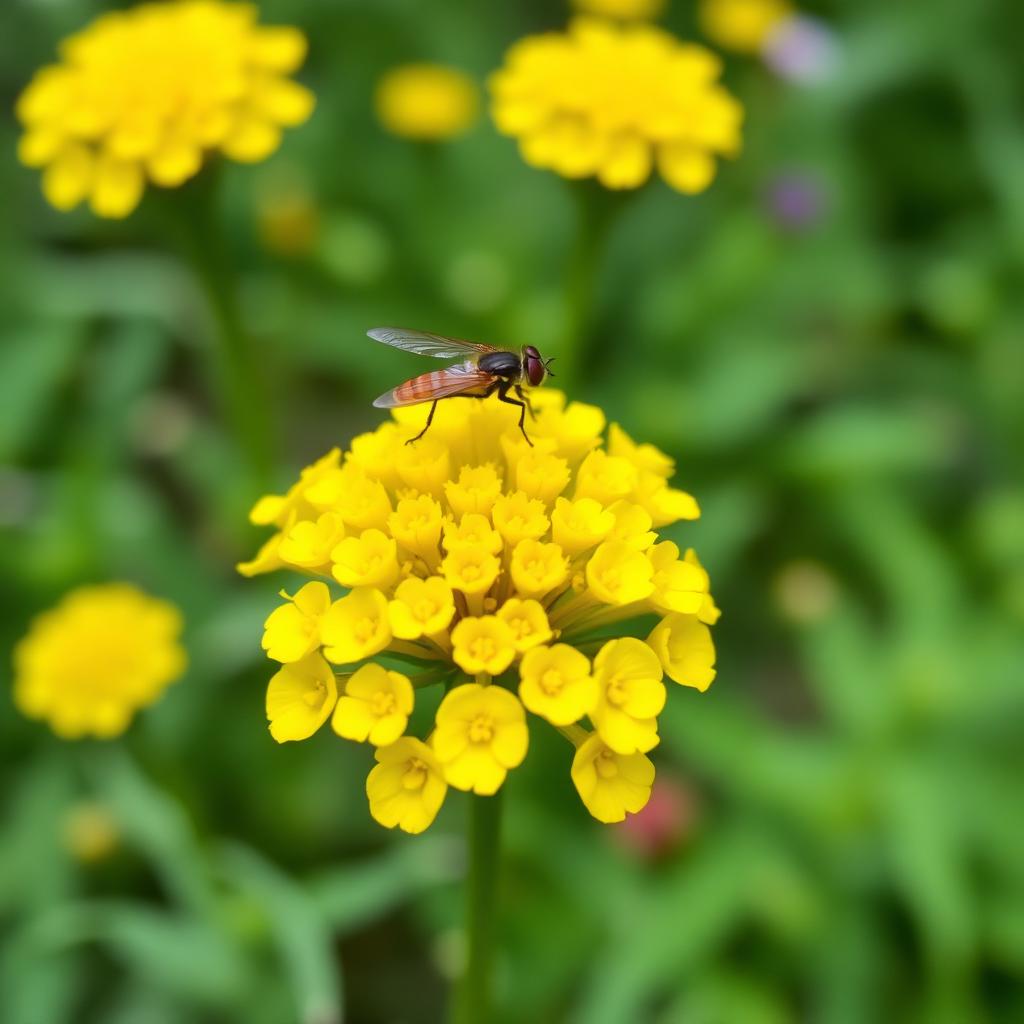
I added a single yarrow to a dry slope three years ago. It has since become the busiest pollinator stop in the yard, packed with hoverflies, parasitic wasps, native bees, and the occasional swallowtail.
Yarrow is a hardy herbaceous perennial across USDA zones 3 to 9. It tolerates drought, deer browse, rabbit nibble, salt spray, and the kind of poor stony soil that defeats almost every other ornamental.
Picking a Variety
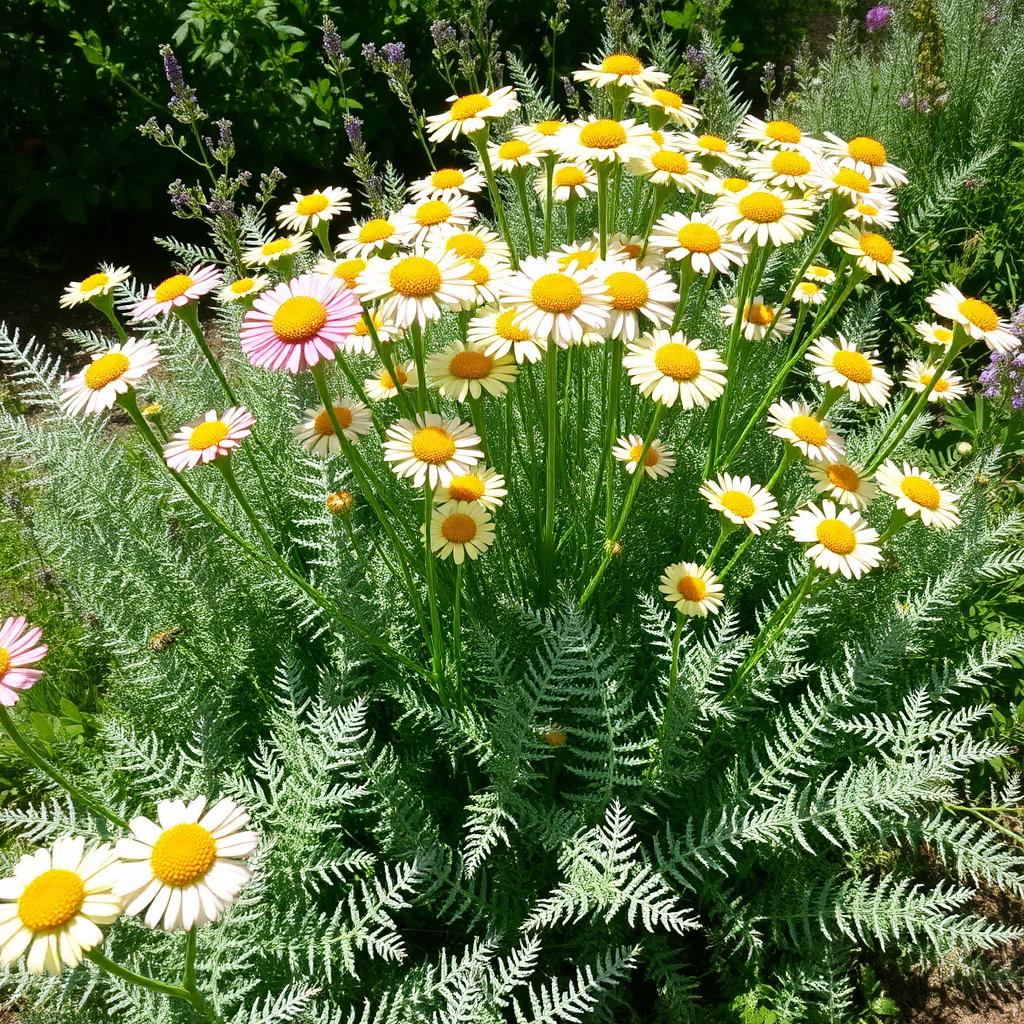
The wild species blooms white, but breeders have produced cultivars in nearly every warm colour. A few favourites worth seeking out:
- Moonshine: Lemon yellow, silver foliage, very compact and tidy.
- Paprika: Bright red ageing to soft salmon, classic cottage garden look.
- Cerise Queen: Deep pink that holds colour for weeks.
- Summer Pastels: A mixed seed strain in soft cream, peach, and rose.
Site, Soil, and the Lean Soil Rule
Pick the sunniest, most neglected corner of your yard. Yarrow demands at least 6 hours of direct sun daily. Less than that and stems stretch, flop, and stop blooming.
Soil should drain fast. Sandy, gravelly, or rocky beds are perfect. If your soil is heavy clay, amend the planting hole with coarse sand and pea gravel, never with compost. Rich soil produces lush floppy yarrow that has to be staked or chopped back.
Planting Step by Step
- Dig a hole the same depth as the nursery pot and twice as wide.
- Loosen the root ball with your fingers, especially if roots are circling.
- Set the plant so the crown sits level with the surrounding soil, never deeper.
- Backfill with the native soil you removed. Skip the compost.
- Water once to settle the soil, then leave it alone for a week.
Watering and Feeding
Water deeply once a week for the first month so roots establish. After that, rainfall handles most of the job. In long droughts, a deep soaking every two or three weeks keeps the plant looking fresh.
Skip fertiliser entirely. If you feel compelled to feed, a single light sprinkle of bone meal in early spring is the absolute maximum.
Pruning and Deadheading
Snip spent flower clusters back to the next set of leaves to push a second bloom flush in late summer. After the second flush, leave the seed heads through autumn for finches.
In late winter, cut the entire plant back to a couple of inches above the ground. Fresh growth pushes up almost immediately.
Dividing and Spreading
Yarrow spreads by underground rhizomes and forms wide clumps within two or three years. Divide every third spring to keep clumps vigorous and to share with friends.
Lift the clump with a fork, split it into fist sized chunks with each piece holding healthy roots and shoots, and replant immediately. Water in once and walk away.
Yarrow as a Pollinator Magnet and Companion
The flat flower clusters are perfect landing pads for the small predatory insects that quietly police a vegetable garden. Plant yarrow near tomatoes, peppers, and brassicas and you will see fewer aphid and caterpillar outbreaks within a season.
The aromatic foliage also seems to confuse deer and rabbits, so a ring of yarrow around prized perennials acts as a mild repellent border.
Common Problems
Most yarrow trouble comes from too much love. Floppy stems means the soil is too rich or watering too generous. Powdery mildew on lower leaves means crowded plants and poor air movement, so divide and space them out.
Yellowing in early spring after a wet winter usually means root rot from sitting in soggy soil. Move survivors to a raised, gritty spot.
The Takeaway
Yarrow is the rare plant that punishes pampering and thrives on neglect. Give it sun, gravel, and almost no water, and a single plant will reward you with three seasons of colour, an army of beneficial bugs, and a tougher, healthier garden every year.