Quick Answer
Plant catnip (Nepeta cataria) in full sun and lean, fast draining sandy soil, spaced 18 to 24 inches apart. Water only when the top inch dries out. Hard prune the plant by half when the first flower buds appear in early summer to trigger a fresh, oil rich flush of leaves.
Catnip is a tough perennial in USDA zones 3 through 9. Once established it needs almost no care, and overfeeding actually weakens the aromatic oils that cats respond to.
What catnip actually is
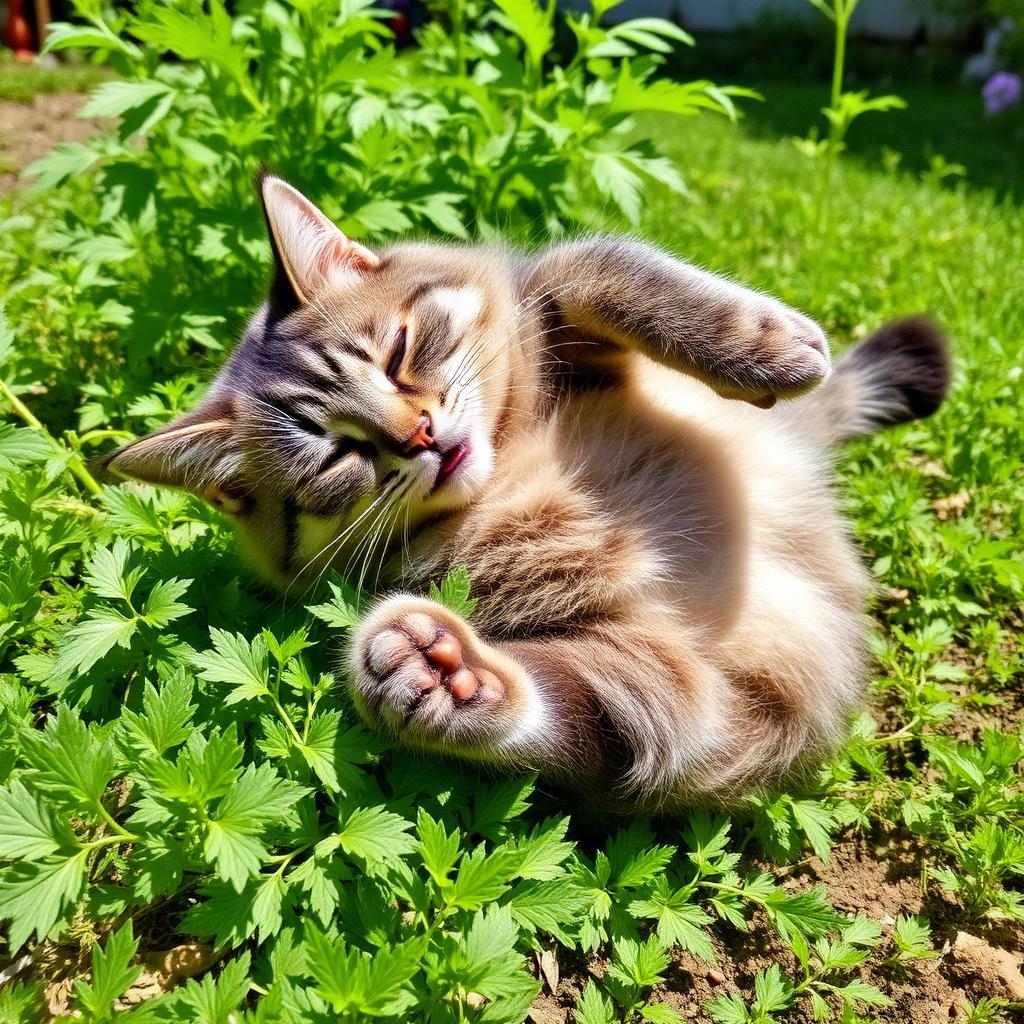
Catnip is a member of the mint family (Lamiaceae) native to Europe and Asia. The active compound is nepetalactone, an essential oil stored in microscopic glands called trichomes on the leaves and stems. When a cat crushes those trichomes by chewing or rubbing, the oil binds to scent receptors and triggers a 5 to 15 minute behavioural high in roughly 70 to 80 percent of cats.
The same plant is used in human herbal teas (mild sedative) and as a remarkably effective mosquito repellent, with studies showing nepetalactone is significantly more effective than DEET in laboratory tests, though it does not last as long on skin.
Sun and soil
Catnip wants 6 to 8 hours of direct sun every day. In shade it grows leggy and produces almost no oil.
Soil should be lean, gritty, and drain fast. Sandy or stony soil with a pH between 6.1 and 7.8 is ideal. Skip the compost and skip the fertiliser. Rich soil pushes the plant to grow tall and watery, diluting the nepetalactone that makes catnip catnip.
Planting
- Wait until after the last frost to plant outdoors.
- Dig a hole twice the width of the root ball and the same depth.
- Pop the plant in, backfill with the native soil, and firm gently.
- Water once at planting and then let the plant settle.
- Space multiple plants 18 to 24 inches apart. They will grow into each other if planted closer.
Catnip also grows easily from seed. Sow indoors 6 to 8 weeks before the last frost, surface sow without covering (the seeds need light to germinate), and transplant after hardening off.
Containing the spread
Catnip is less invasive than its mint cousins but still self seeds prolifically and the roots spread sideways. To keep it contained, either grow in a pot at least 12 inches deep or sink a barrier 8 inches into the soil around the patch.
The pruning rule that boosts potency
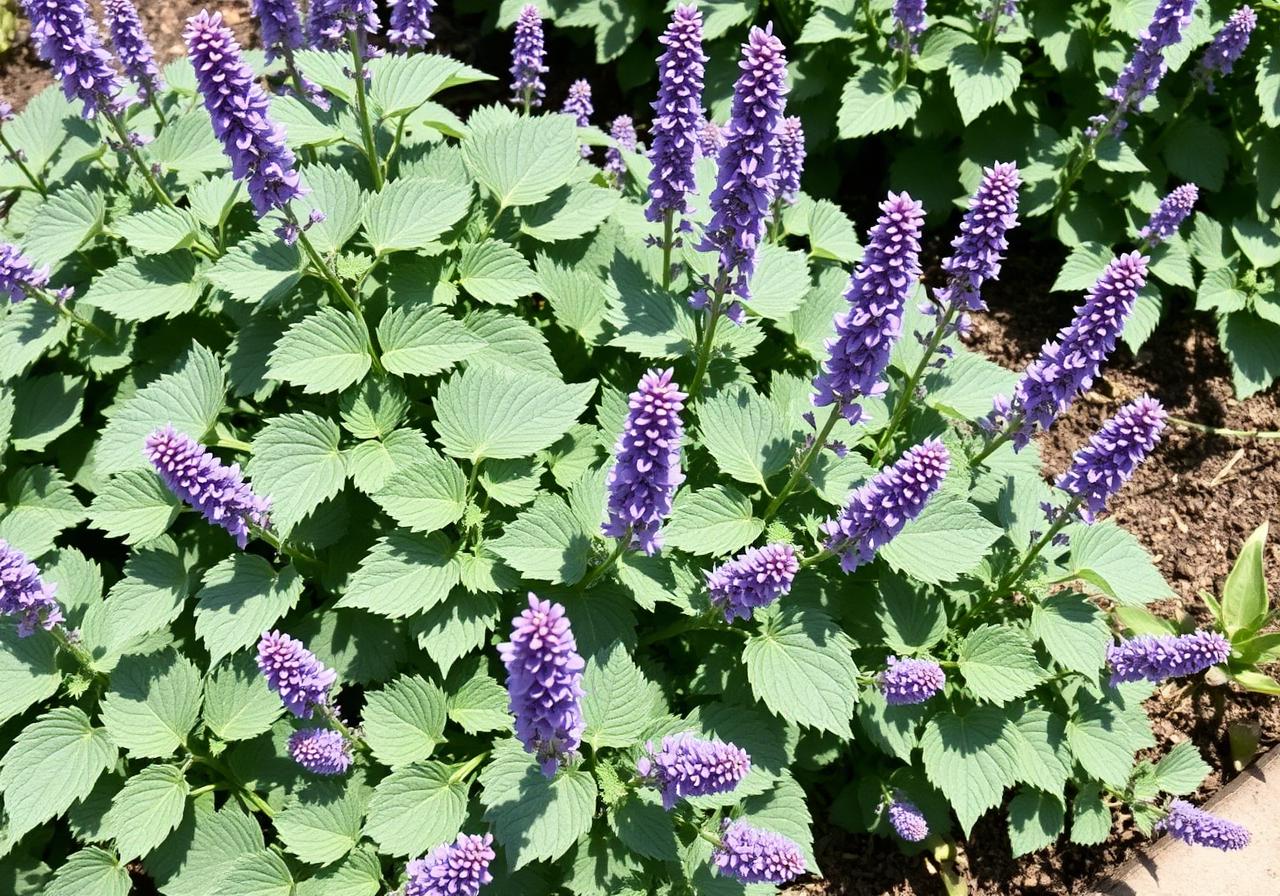
Left alone, catnip throws up tall flower spikes in early summer, sets seed, and stops producing leaves. To keep a steady supply of fresh, oil rich foliage, prune hard.
When the first flower buds appear, use shears to cut the entire plant back by half. The roots immediately respond by pushing out a flush of new leaves that are denser, fresher, and significantly higher in nepetalactone than the older growth.
Repeat the hard prune a second time in late summer if you want a third harvest before frost.
Harvesting and drying
Cut whole stems just above a leaf node on a dry morning after the dew has burned off. Bundle 4 to 6 stems with a rubber band and hang upside down in a dark, airy spot for 10 to 14 days until the leaves crumble between your fingers.
Strip the dried leaves and flowers off the stems and store in an airtight jar away from light. Properly dried catnip keeps its potency for about a year, after which the volatile oils slowly evaporate.
Catnip as a companion plant
| Benefit | What it does |
|---|---|
| Pollinator magnet | Flowers attract bees and butterflies for weeks |
| Aphid repellent | Drives aphids off roses and brassicas |
| Squash bug deterrent | Plant near cucurbits to reduce damage |
| Mosquito repellent | Crushed leaves rubbed on skin (brief, not lasting) |
Watering and winter care
Catnip is exceptionally drought tolerant once established. Water deeply once a week during the first growing season, then only during prolonged dry spells. Overwatering causes root rot and washes oils out of the leaves.
In zones 3 to 9 the plant dies back to the ground in winter and re emerges in spring. A 2 inch mulch of straw or shredded leaves protects the crown in the coldest zones. Cut back the dead stems in early spring.
Common problems
- Cats flattening the plant. Protect young plants with chicken wire until established.
- Powdery mildew. Improve airflow by thinning stems and avoid overhead watering.
- Aphids. Blast off with the hose. Catnip recovers quickly.
- Leggy growth. Not enough sun or too much fertiliser. Move to a sunnier spot and stop feeding.
Frequently asked questions
Is catnip safe for cats?
Yes. It is non addictive and non toxic. Some cats vomit if they eat very large amounts, but the response is harmless.
Why does my cat not react to catnip?
Roughly 20 to 30 percent of cats lack the gene that responds to nepetalactone. Kittens under 6 months and senior cats often show muted responses too.
Can I grow catnip indoors?
Yes, in a bright south facing window or under a grow light. Indoor plants tend to be smaller and less potent than outdoor ones.
How often should I prune catnip?
Cut the whole plant back by half when flower buds form, then again in late summer. Light snipping for fresh leaves can happen any time.