Quick Answer
Hydrangea scale is a sap sucking insect that hides under hard waxy shells. The only reliable kill window is the crawler stage in late June when the soft young insects hatch and move across the leaves before forming their armor.
Spray the plant thoroughly with horticultural oil or insecticidal soap during that window. For early infestations, wipe adults off with a cotton pad soaked in 70 percent isopropyl alcohol and prune away the most encrusted stems.
What Hydrangea Scale Looks Like
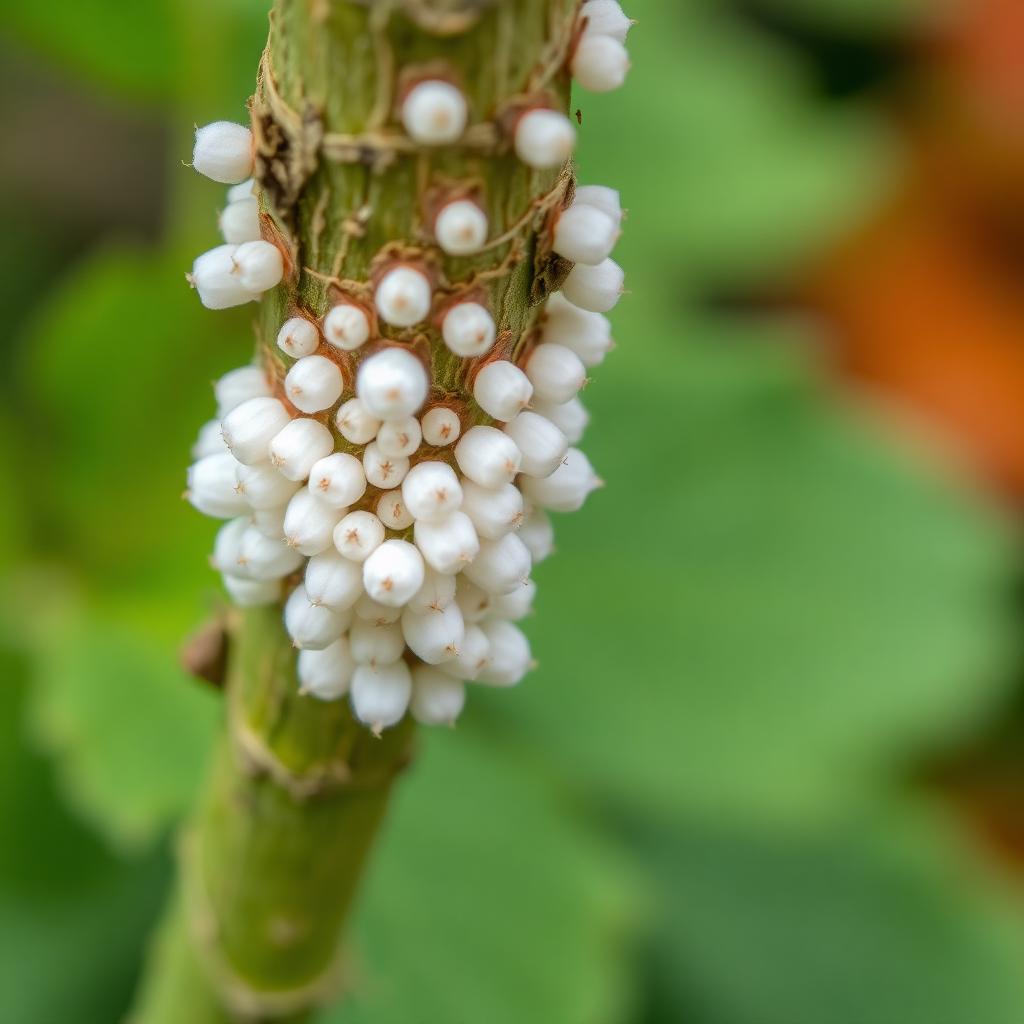
The species Pulvinaria hydrangeae attacks both bigleaf and panicle hydrangeas. Adult females sit on woody stems and leaf veins, then lay their eggs under a fluffy white waxy mass that looks like a small cotton ball glued to the bark. A heavy infestation makes the stems look as if they have been splattered with snow.
Below the egg masses you may spot small brown shells, which are the adults themselves. Sticky leaves and a black film called sooty mold round out the diagnosis.
Why Timing Matters
Adult scale insects are protected by a waxy shell that repels almost every contact spray. Hit them with insecticidal soap and the liquid slides off without touching the insect underneath.
The vulnerability window is the crawler stage. Each summer, usually in mid to late June in temperate regions, eggs hatch and microscopic yellow soft bodied crawlers emerge. They wander the leaves and stems looking for a spot to feed before forming their own protective coating. While soft, they die instantly when sprayed with oil.
The Crawler Stage Spray Protocol
Watch the white egg masses closely from early June. When you see fine yellow dust on the leaves or tiny moving specks under a magnifier, the crawlers are out. Spray the same day.
- Mix horticultural oil or insecticidal soap according to the label.
- Spray at dawn or dusk to avoid leaf burn in hot sun.
- Drench every leaf surface including undersides and every stem joint.
- Repeat in 10 days to catch later hatching crawlers.
Neem oil works as well and adds an antifungal effect against the sooty mold.
Manual Removal for Small Infestations
If only a few stems are affected, skip the spray altogether.
- Alcohol wipe: Dip a cotton pad in 70 percent isopropyl alcohol and firmly rub the white egg masses and brown adults off the bark. Alcohol dissolves the wax and dehydrates the insect on contact.
- Prune: Cut out severely encrusted stems entirely. Bag the cuttings in plastic and throw them in the trash. Never compost scale infested wood because the insects crawl out of the pile and reinfest the garden.
Dealing With Sooty Mold
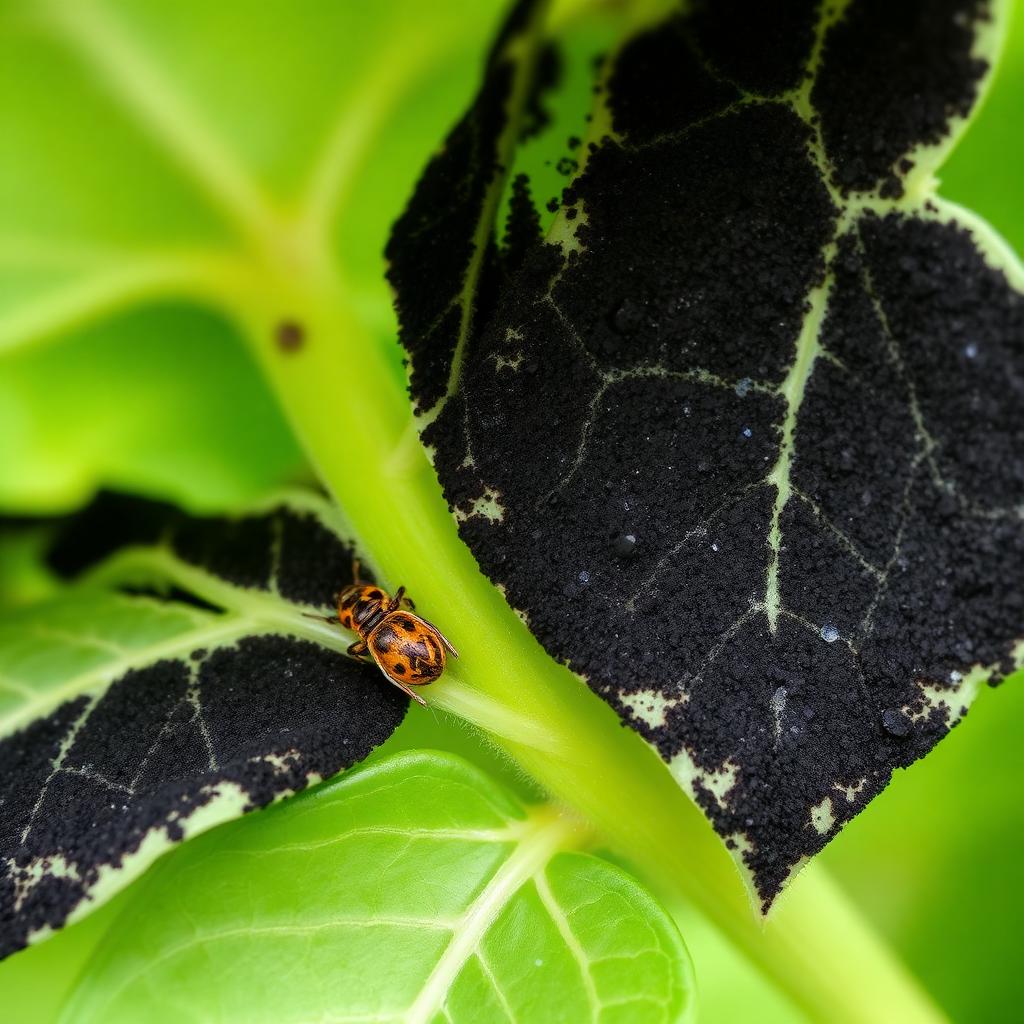
Scale insects feed on sugary plant sap and excrete a sweet sticky liquid called honeydew. Airborne fungus spores land on the honeydew and grow into a black sooty layer that blocks sunlight and weakens the plant.
The mold itself does not infect the plant tissue. Once you control the scale, the honeydew supply ends and the mold weathers off. Speed it up by wiping leaves with a soft cloth dipped in mild soapy water.
Long Term Prevention
- Apply dormant horticultural oil in late winter to smother overwintering nymphs before they wake up.
- Inspect new nursery plants carefully before bringing them home.
- Keep hydrangeas well watered and mulched. Stressed plants attract scale faster than healthy ones.
- Encourage natural predators like ladybugs and parasitic wasps by avoiding broad spectrum insecticides.
The Takeaway: When to Call It a Loss
A hydrangea covered head to toe in scale for two or more years is rarely worth saving. Cut it back to the ground in late winter, dispose of all the wood in the trash, and let the root system push out fresh, clean shoots. With a clean slate and dormant oil applied next spring, you can usually reset the plant within a season.
Catch scale early, target the crawler window, and you can keep prized hydrangeas blooming for decades.