Quick Answer
Get rid of fungus gnats with a three step attack: yellow sticky traps at soil level to catch adults, BTI mosquito bits steeped in water to kill larvae in the soil, and a strict dry top inch of soil between waterings to stop new eggs hatching.
Skip any one step and the cycle restarts. Done together, a serious infestation clears in two to three weeks and stays gone if you fix the underlying overwatering habit.
1. What you are actually dealing with
Fungus gnats are tiny dark flies in the Bradysia genus, about the size of a fruit fly but darker and weaker in flight. The adults are mostly an annoyance, they do not bite and they do not eat your plants.
The real damage comes from the larvae. They live in the top inch of damp potting soil, feeding on decaying organic matter and, when food runs out, on the soft root hairs of your plants. Heavy larva populations stunt growth, yellow lower leaves, and open the door to root rot pathogens.
2. Step one: trap the adults
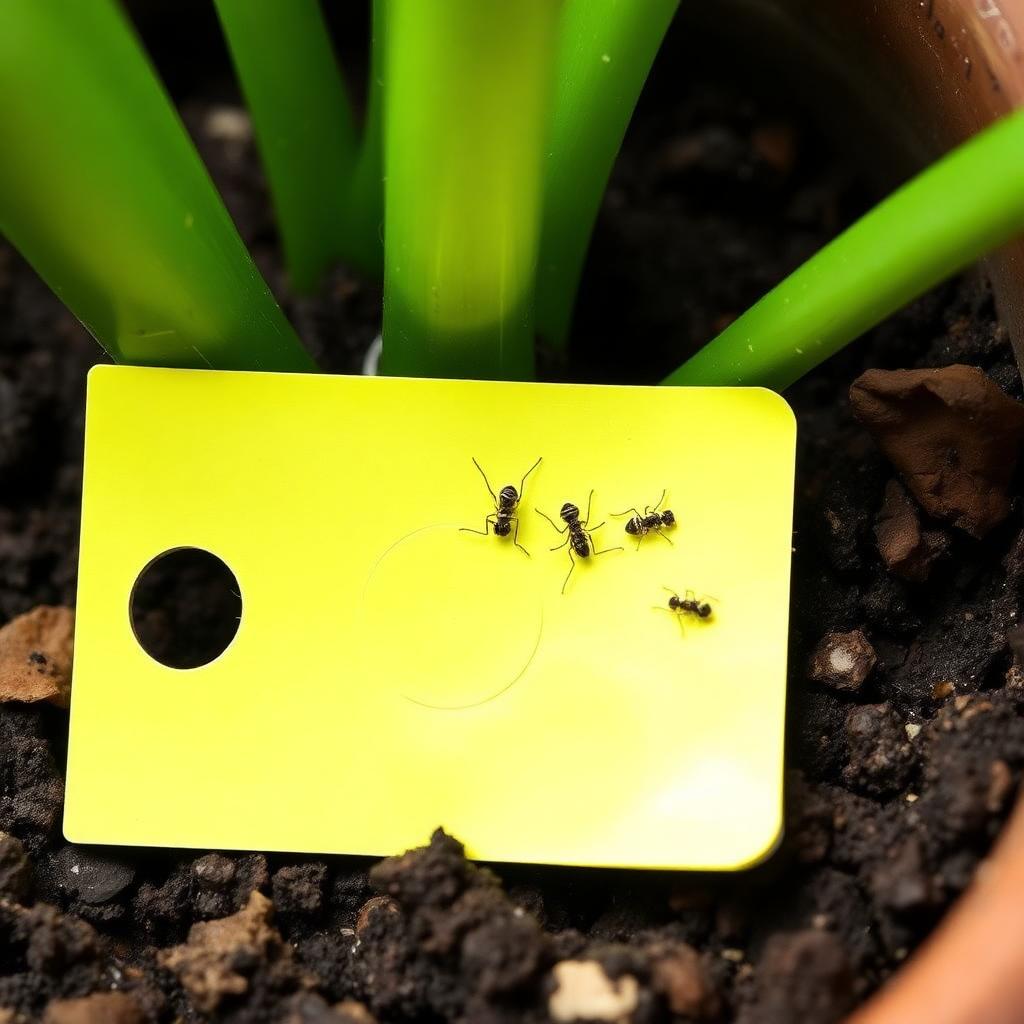
Adult gnats are strongly attracted to yellow. Buy yellow sticky cards from any garden centre and stake them at the soil surface of every infested pot, not at the top of the plant. Adults emerge from the soil to mate and fly directly into the trap.
This does not kill larvae, but it removes the breeding population so no new eggs are laid. Replace cards when they are covered, usually every five to seven days during peak infestation.
3. Step two: kill the larvae with BTI
BTI stands for Bacillus thuringiensis israelensis, a naturally occurring soil bacterium that produces a protein crystal toxic only to the digestive tract of mosquito and fungus gnat larvae. It is harmless to plants, pets, fish, bees, and humans.
The cheapest source is Mosquito Bits, sold by the bag at garden centres and hardware stores. The brewing method:
- Soak two tablespoons of Mosquito Bits in one gallon of room temperature water for twenty minutes.
- Stir, then strain out the solid bits (save and reuse them).
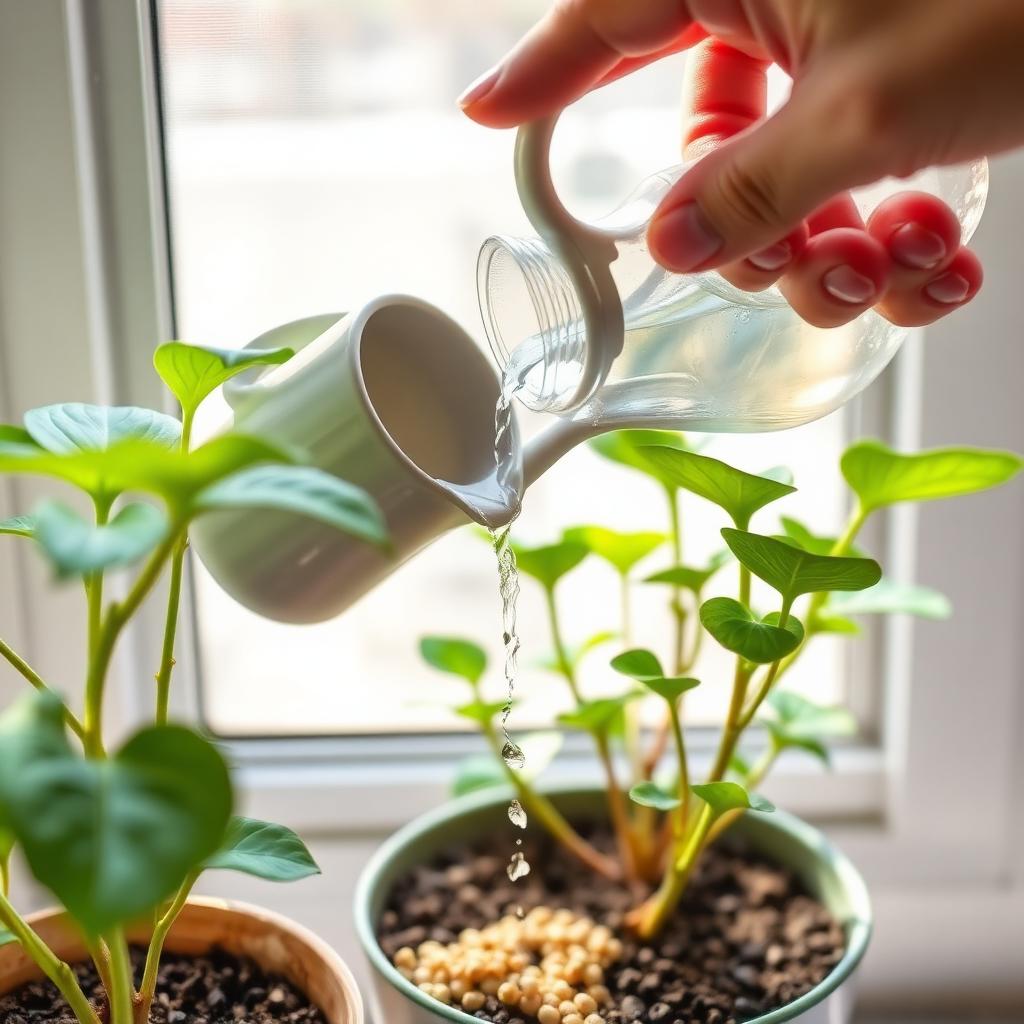
- Use the cloudy water to soak every infested pot until water runs from the drainage hole.
- Repeat once a week for three weeks to break the life cycle completely.
The bacteria coats the soil. Larvae eat it within a day, their guts rupture, and they die before they can mature into flying adults.
4. Step three: starve the soil
Fungus gnats can only complete their life cycle in moist soil. Eggs need surface moisture to hatch, and larvae die in dry conditions within forty eight hours.
For at least one month, let the top inch or two of every houseplant pot dry completely between waterings. Test by sticking your finger in to the second knuckle. If you feel any moisture, wait another day.
A cheap moisture meter takes the guesswork out. Bottom water rather than top water where possible, so the surface stays dry while the roots still get moisture.
5. The hydrogen peroxide quick hit
For a fast emergency knockdown of larvae, mix one part standard three percent hydrogen peroxide with four parts water and soak each pot. The solution fizzes through the soil and oxygenates the rootzone while killing larvae on contact.
Use this as a one off booster, not a routine. Repeated peroxide drenches damage soil microbes that benefit the plant.
6. Things that do not work
Apple cider vinegar traps catch fruit flies, not fungus gnats. Cinnamon dusted on the surface looks satisfying but does almost nothing. Generic insecticide sprays kill adults briefly but never touch the larvae, so the population bounces back within a week.
The combination of traps, BTI, and dry soil is the only proven, lasting fix.
7. Prevent future outbreaks
Once cleared, prevent re infestation with three habits:
- Always quarantine new houseplants for two weeks before adding them to your collection.
- Top dress every pot with half an inch of horticultural sand or pumice. Gnats will not lay eggs in gritty dry topdressing.
- Stop overwatering. Most infestations are a watering problem before they are a pest problem.
The takeaway
Three attacks at once: sticky cards for the adults, BTI tea for the larvae, dry topsoil to stop the eggs. Run all three for three weeks and even a heavy infestation collapses. Top dress with grit afterwards and you will probably never see fungus gnats again.