Quick Answer
Build an apple cider vinegar trap (a small bowl of vinegar plus three drops of dish soap, covered with plastic wrap with small holes poked in the top), and at the same time clean every breeding site: the bin, the drain, damp sponges, and any overripe produce.
Fruit flies breed in fermenting organic matter, not on dry counters. Removing the food source is what actually ends the infestation. The traps just clean up the adults already flying.
With both steps in place, a normal kitchen infestation is gone in about seven days, the length of a single fruit fly life cycle.
Fruit flies vs fungus gnats
Before you treat, confirm which pest you actually have. The wrong target wastes time.
- Fruit flies (Drosophila melanogaster): tan to dark brown rounded bodies, often with red eyes. They hover around fruit bowls, bins, recycling, and the kitchen sink.
- Fungus gnats: black, slim, long legged, look like tiny mosquitoes. They breed in the wet soil of indoor potted plants, not in fruit.
If the bugs cluster around houseplants and run when you water, you have fungus gnats and need a different treatment (let soil dry, top with sand, use a Bti based mosquito bit).
Why they appear so fast
One female fruit fly lays up to 500 eggs in a lifetime, often on the skin of overripe fruit or in the slime layer inside a drain. Eggs hatch in about 24 to 30 hours, and a new adult is ready to breed in a week. Skip one cleaning cycle and a single hitchhiker can become a swarm by the weekend.
Phase 1: build the apple cider vinegar trap
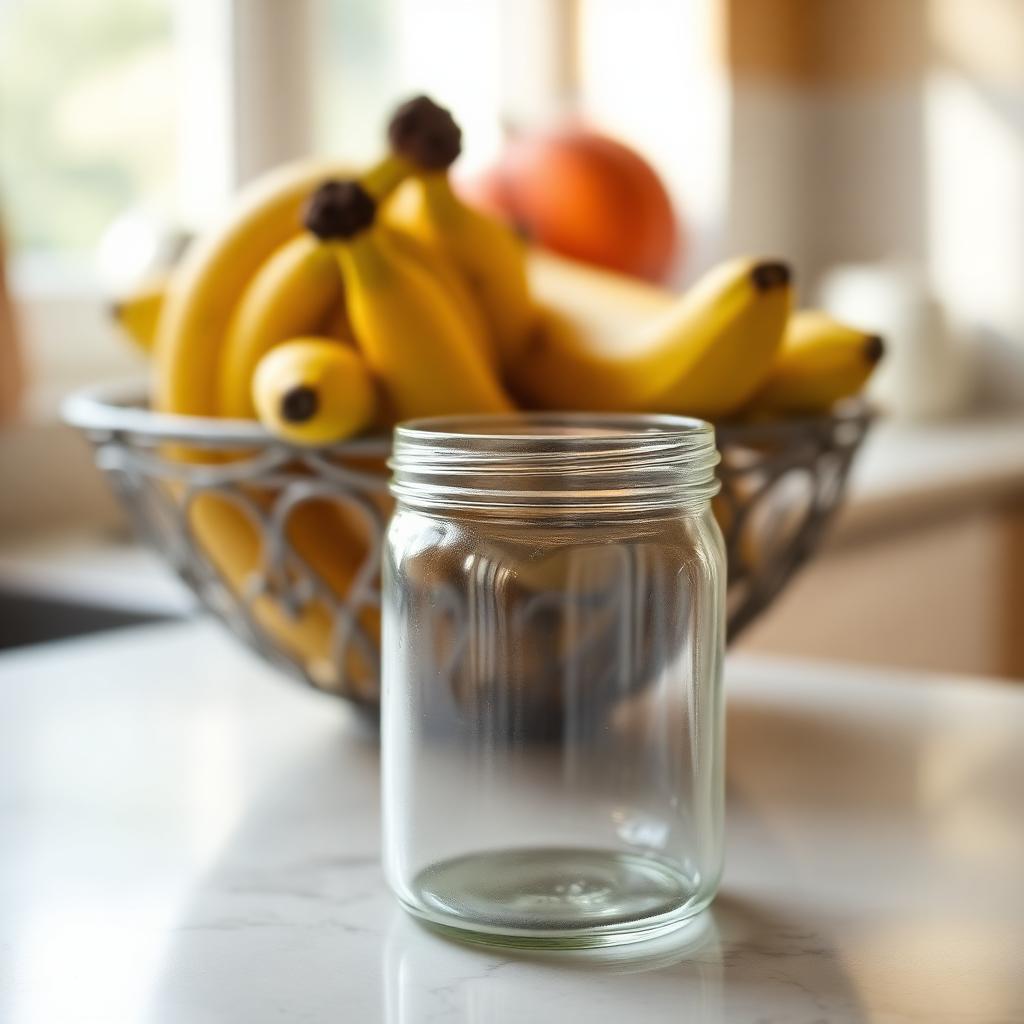
- Pour about two inches of raw, unfiltered apple cider vinegar into a small glass or ramekin.
- Add three drops of liquid dish soap. Do not stir.
- Stretch plastic wrap tightly over the top and secure with a rubber band.
- Poke five or six small holes through the wrap with a toothpick.
- Place the trap next to your worst infestation zone (usually the bin or fruit bowl).
The vinegar smells like fermenting fruit, so the flies climb in through the holes. Fruit flies normally walk across liquid surfaces because of surface tension. The dish soap breaks that tension, so they sink and drown on contact.
Refresh the trap every two to three days. If you run out of apple cider vinegar, a glass with a splash of cheap red wine or a piece of overripe banana works as well.
Phase 2: cut off the breeding sites
Trapping alone never finishes the job, because new adults keep hatching from hidden eggs. Hit every breeding spot the same day you set the trap.
Drains
- Boil half a gallon of water and pour it down the kitchen drain to scald larvae living in the biofilm.
- Pour in half a cup of baking soda, then one cup of distilled white vinegar. Let the fizzing reaction sit 15 minutes.
- Flush with hot tap water for two minutes.
Repeat once a week until the flies are gone.
Bins and recycling
- Empty the kitchen bin every night during an active infestation, even if it is not full.
- Rinse the bin with hot water and a splash of bleach, then dry it before reinserting the liner.
- Rinse every can, bottle, and jar before putting it in the recycling bin. Sugary residue inside is a top breeding spot.
Produce and counters
- Move ripe bananas, tomatoes, peaches, and avocados to the fridge until the infestation ends.
- Inspect potatoes, onions, and garlic in pantry baskets and toss anything soft or sprouting.
- Wipe counters and the area behind the toaster, kettle, and microwave with vinegar water to remove invisible sticky residue.
Sponges, dishcloths, and mop heads
A damp sponge sitting in a sink overnight is a perfect fruit fly nursery. Microwave wet sponges for 60 seconds daily, wash dishcloths on a hot cycle, and let mop heads dry fully between uses.
What does not work
- Sprays alone. Pyrethrin sprays kill adults on contact but do nothing to eggs or larvae in the drain. The swarm returns within two days.
- Citrus peels in the bin. An old internet tip that actually attracts more flies, not fewer.
- Ultrasonic plug in devices. Independent tests show no measurable effect on flying insects.
Prevent the next infestation
- Store fruit in the fridge once it ripens.
- Take out compost or food waste daily.
- Rinse the sink, bin, and disposal once a week with the boiling water plus baking soda method.
- Inspect new produce at the door. Some infestations start because the eggs arrived on store bought fruit.
- Fix leaky taps and dripping pipes. Standing water under the sink supports breeding.
FAQs
How long until the flies are gone?
If you trap adults and remove the breeding source on day one, the last generation hatches within 5 to 7 days and dies on the traps.
Are fruit flies dangerous?
They do not bite or sting, but they can carry bacteria like E. coli from waste to clean food surfaces. Cover food and clean any utensils a fly has landed on.
Why are there still flies after the trap?
You found the adults but missed a breeding spot. Check the drain, recycling, pet food bowls, sponges, and any forgotten produce in a back corner.
Do fruit fly traps work at the store?
Sticky yellow ribbons and pre made vinegar traps work, but the DIY apple cider vinegar version is just as effective and far cheaper.
The takeaway
Trap the adults with apple cider vinegar plus dish soap. On the same day, scour the drain, the bin, and any overripe fruit. Repeat for one week and the kitchen will be fly free.