Quick Answer
Apply a humectant (hyaluronic acid serum, glycerin, or honey) to slightly damp lips, then seal it with a thick layer of 100 percent white petrolatum. The humectant pulls water into the cells, the petrolatum locks it in. Repeat at bedtime nightly for a week and most cases of chronic chapping resolve.
Stop licking your lips and stop using tingly lip balms with menthol, camphor, or salicylic acid. Saliva contains digestive enzymes that break down delicate lip tissue, and the tingling balms trigger a rebound dryness cycle that keeps you reapplying every twenty minutes.
The repair framework
| Phase | Product | Job |
|---|---|---|
| 1. Gentle debridement | Brown sugar + jojoba oil scrub | Soften and lift dead flakes |
| 2. Humectant | Hyaluronic acid or glycerin serum | Draw water into the cells |
| 3. Occlusive | 100% white petrolatum | Block transepidermal water loss |
Why lips chap in the first place
The skin on your lips is structurally different from the skin on the rest of your face. It lacks the outer keratinized layer (the stratum corneum that thicker skin has), it has no sweat glands, and it has no sebaceous glands to produce protective oil. That means lips have effectively zero internal capacity to seal in moisture. As soon as cold wind, dry indoor heating, or low humidity pulls water out, the tissue dries.
The instinct to lick the dryness away makes it worse. Saliva contains amylase and other digestive enzymes designed to break down food. Repeatedly coating delicate lip skin in those enzymes accelerates cell breakdown, and the water in saliva evaporates fast and pulls more moisture out of the lips with it. The result is a cycle: dry, lick, drier, lick, cracked.
Step 1: gentle debridement, not picking
If your lips are covered in dead flakes, do not pick or bite them off. Tearing a flake off rips the living tissue underneath and causes the deep bleeding fissures that take days to heal and invite infection.
Instead, make a soft scrub: one teaspoon of fine brown sugar mixed with half a teaspoon of jojoba or sweet almond oil. Apply the paste to dry lips and rub very gently in small circles for 30 seconds. The sugar dissolves into the oil as you go, which is the built-in stop signal: when the texture turns smooth, the scrub is done. Wipe clean with a damp warm washcloth. Do this no more than twice a week. Daily exfoliation on lip skin causes the irritation you are trying to fix.
Step 2: humectant first
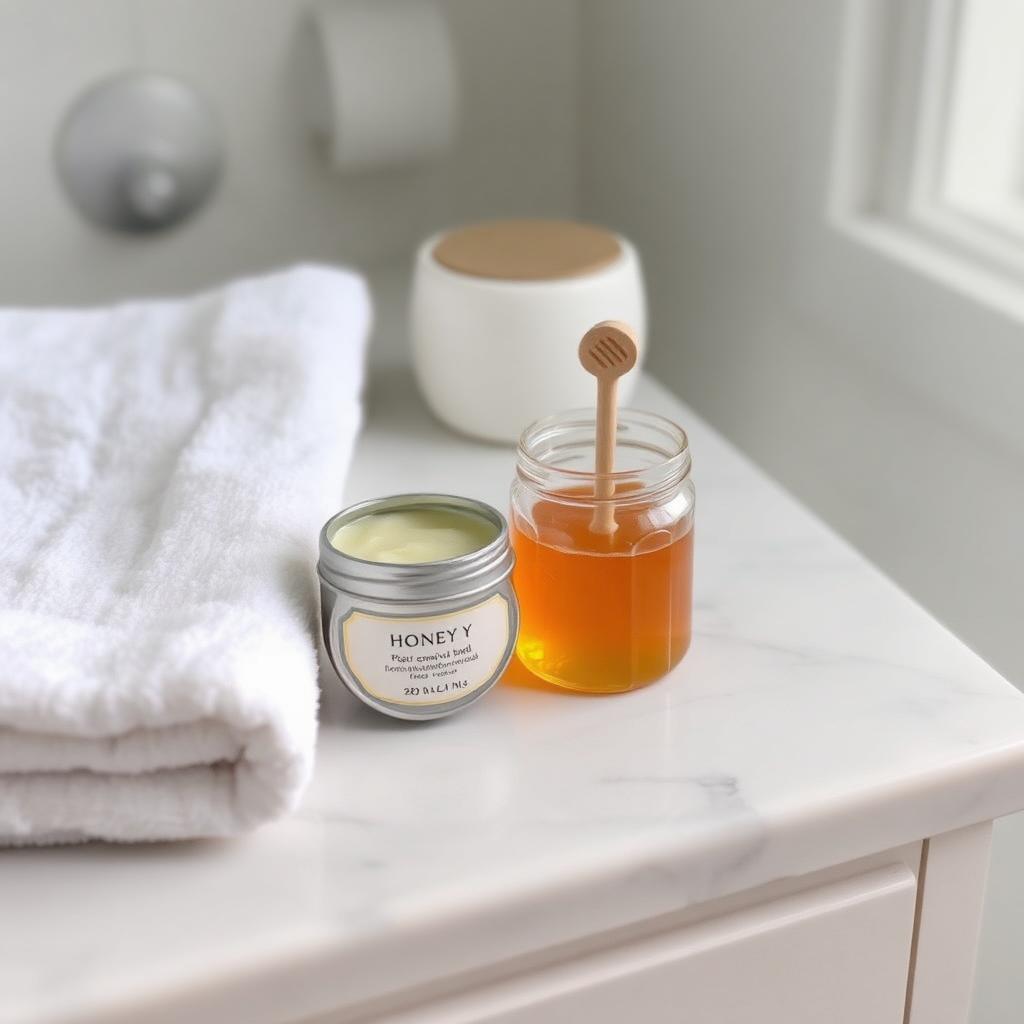
Lightly dampen your lips with water. Apply a single drop of pure hyaluronic acid serum, glycerin, or raw honey. Humectants act like sponges, pulling water molecules into the surface cells from both the deeper layers and the ambient air. Apply this to damp (not dry) lips, because in low humidity a humectant on dry lips can paradoxically pull water out from below and make dryness worse. Damp surface gives it the water it needs.
Step 3: occlusive on top
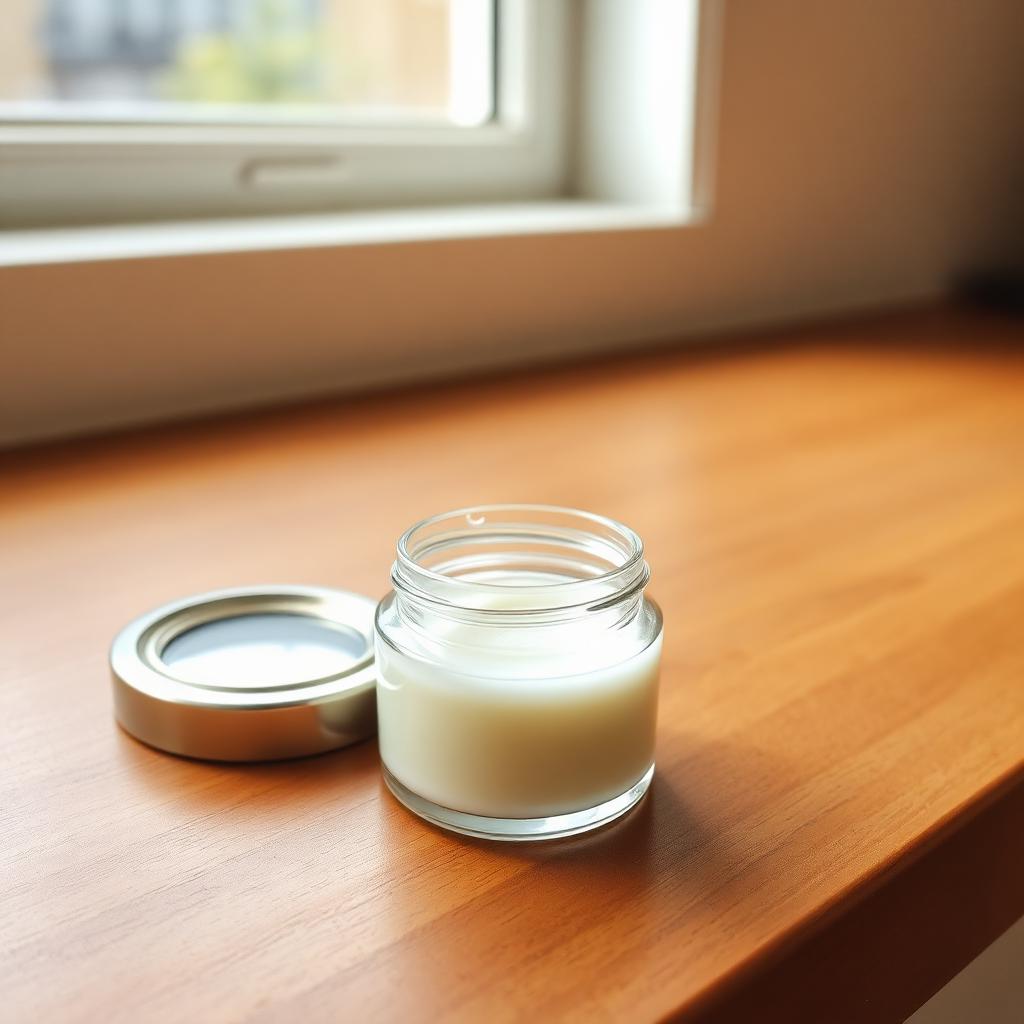
Immediately after the humectant, apply a thick layer of 100 percent white petrolatum (the active ingredient in classic Vaseline) or medical-grade lanolin. The occlusive layer is the part that does the real work. It forms a physical barrier that blocks roughly 99 percent of transepidermal water loss, the technical term for water evaporating out through the skin. Trapped under that barrier, the humectant has time to do its job and the skin underneath rebuilds overnight.
Pure petrolatum is the most studied and most effective barrier ointment in dermatology. It is unscented, unflavored, hypoallergenic for almost everyone, and costs a few dollars for a tub that lasts months.
Why most lip balms keep you stuck
Drugstore lip balms with menthol, camphor, salicylic acid, eucalyptus, or peppermint feel cooling, but those ingredients are mild irritants. They trigger a low-grade inflammatory response that dries the tissue, which is why you reach for the same balm 20 minutes later and again 20 minutes after that. The cycle is not your imagination. It is the formula doing exactly what it is designed to do. Switch to plain petrolatum or lanolin for two weeks and the constant-reapply urge usually disappears.
Ingredients to avoid on already-chapped lips:
- Menthol, camphor, peppermint, eucalyptus (irritants)
- Salicylic acid and other acids (drying)
- Cinnamon and clove flavorings (allergens for many people)
- Fragrance, even natural (common contact allergen)
- Alcohol denat (drying)
When chapping is something else
If your lips have not improved after a week of humectant plus occlusive, or if you notice persistent cracking at the corners of the mouth, persistent peeling without obvious cause, or burning that worsens with sun exposure, see a clinician. Angular cheilitis (cracks at the corners), actinic cheilitis (sun damage), and contact dermatitis to toothpaste or balm ingredients are all common, all treatable, and none of them respond to balm alone.
The takeaway
Lips cannot hold moisture on their own, so the fix is to add water and trap it. Humectant on damp lips, plain petrolatum on top, every night for a week. Skip the tingly balms and the wipes-and-licks routine, and most chronic chapping clears up faster than people expect.