Quick Answer
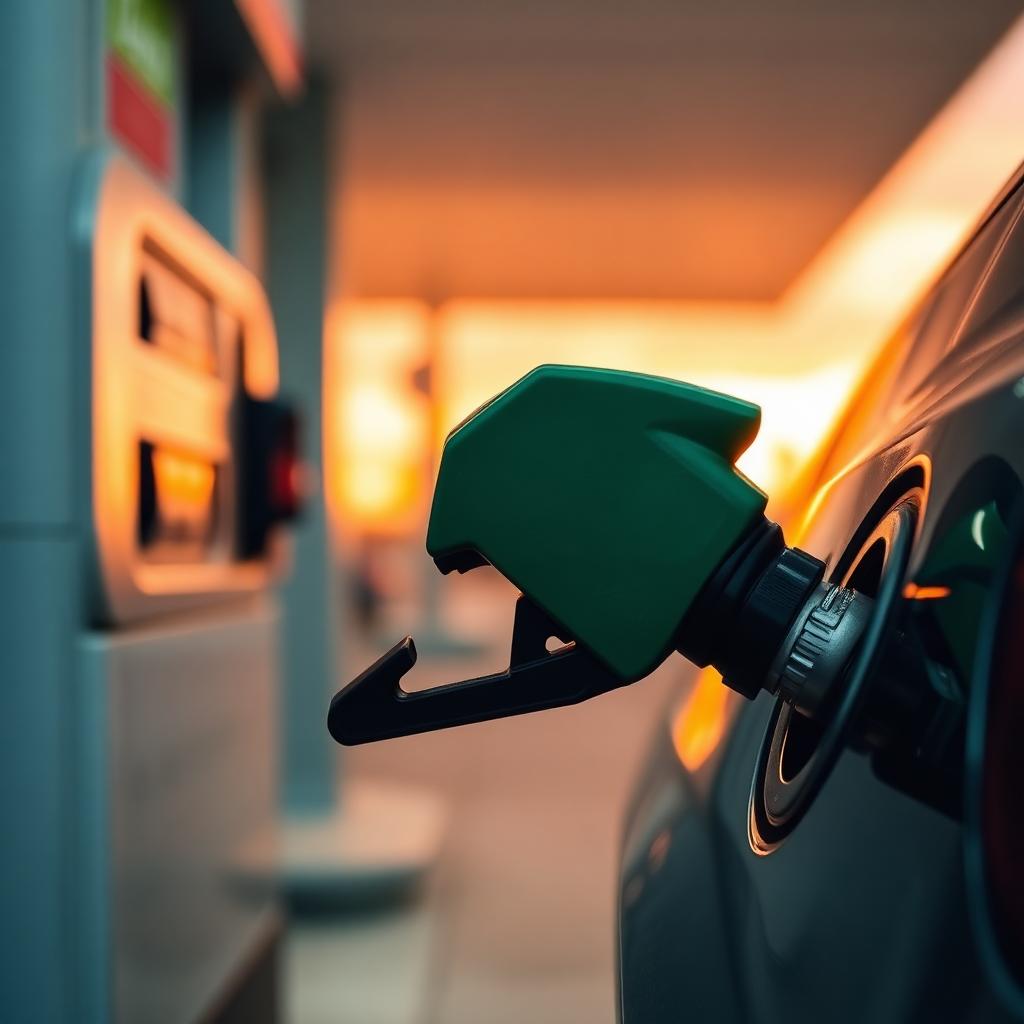
Open GasBuddy or your phone map's gas filter before you drive, not after the low fuel light comes on. Filter prices along your existing route. If your week's driving justifies it, refuel at Costco, Sam's Club, or BJ's, which usually price 20 to 40 cents per gallon below nearby stations. At the pump, check whether the sign shows a cash discount, and use cash or a station branded debit card if it does.
Driving 10 miles out of your way to save 20 cents a gallon almost never pays. The fuel you burn on the detour erases most of the savings.
Where the price spread really lives
In a typical metro area, prices for the same grade of regular unleaded vary by 30 to 50 cents per gallon across stations within five miles. The spread is driven by supplier contracts, brand premium pricing, real estate cost at the corner, and how much foot traffic the convenience store generates. Highway exit stations are almost always 20 to 30 cents above the local average because they sell to drivers with no alternative.
GasBuddy and the built in map filters
GasBuddy is still the most accurate crowdsourced price feed in the United States and Canada. The app's map view shows current prices reported by other drivers, color coded by how far above or below the local average each station sits. Sort by price, by distance, or filter by station brand if you have a loyalty card.
Apple Maps and Google Maps both surface gas prices natively now. Search "gas" in either, then sort by price. The data is often a few hours older than GasBuddy because it depends on station feeds rather than user reports, but it is good enough for a routine fill up. Waze pulls from GasBuddy directly, so the numbers match.
Warehouse clubs as a default
If your household runs through more than 40 gallons a month, a Costco or Sam's Club membership pays for itself on fuel alone. These chains treat gasoline as a loss leader to draw traffic to the warehouse, and their pump prices typically sit 20 to 40 cents below nearby branded stations. Two practical notes:
- Quality is high. Costco, Sam's, BJ's, and several supermarket chains sell Top Tier rated fuel, which means the detergent additive package meets the standard recommended by major automakers.
- Lines are long at peak times. Saturday morning at a busy Costco can mean a 15 minute wait. Mid morning weekdays or after 8 p.m. are usually clear.
The cash discount line on the price sign
Look at the marquee. Many independent and franchise stations now post two prices for each grade: a higher credit price and a lower cash price. The gap is usually 5 to 10 cents per gallon. The station passes its card processing fee savings back to anyone who pays at the cashier in cash or with a station branded debit card. Most card based rewards programs cap at 3 to 5 cents per gallon in cashback, so cash usually wins for the same fill.
Loyalty programs and grocery fuel rewards
Grocery rewards programs like Kroger Fuel Points, Safeway Just for U, and Stop and Shop Gas Rewards convert grocery spending into discounts at affiliated stations. The math is usually 1 point per dollar spent on groceries, with 100 points equal to 10 cents off per gallon, redeemed on a single fill up of up to 35 gallons. If you already shop at one of these chains, the points cost nothing and stack to real savings over a year.
Station branded credit cards (Shell Fuel Rewards, Exxon Mobil Smart+, BP Visa) offer 5 to 10 cents per gallon, sometimes more in the introductory period. The catch is that the redemption is locked to a single brand, and most of them carry annual fee or APR risk that erases the savings if you ever carry a balance.
What does not save money
- Premium fuel for a car that does not require it. Your owner's manual lists either "recommended" or "required." If it says recommended, regular is fine; the engine adjusts and there is no measurable mileage or power gain on a sustained basis.
- Driving out of your way for a small spread. A 10 mile detour at 25 mpg burns 0.4 gallons. At $3.50 per gallon you have spent $1.40 to chase the savings. Unless the price gap is more than 20 cents per gallon and you are buying at least 10 gallons, you lose money.
- Topping off after the pump clicks off. Modern vapor recovery systems return that extra fuel to the underground tank. You paid for it and did not receive it.
Filling up at the right time of day
The old advice about filling at night because cold fuel is denser is a real effect, but the magnitude is too small to matter at the pump. Underground tanks hold near constant temperature year round regardless of surface conditions, so the same gallon comes out roughly the same temperature whenever you fill. Fill when it is convenient and the pump is available, and put your savings effort into picking the right station instead.
Trip planning for road trips
On a long drive, GasBuddy's Trip Cost Calculator estimates total fuel cost for a route and flags the cheapest stations along it. The savings on a single tank of road trip fuel are often more than the cost of a Plus membership for the year, which removes ads and adds extra route filtering. Plan refuel stops at exits with two or more stations visible from the highway; that competition keeps prices honest.
The takeaway
Three habits cover most of the available savings. Check an app before you decide where to fill. Make a warehouse club your default if your household drives enough to justify the membership. Pay cash at stations that post a cash discount. Everything else is incremental, and chasing detours usually costs more than it saves.