Quick Answer
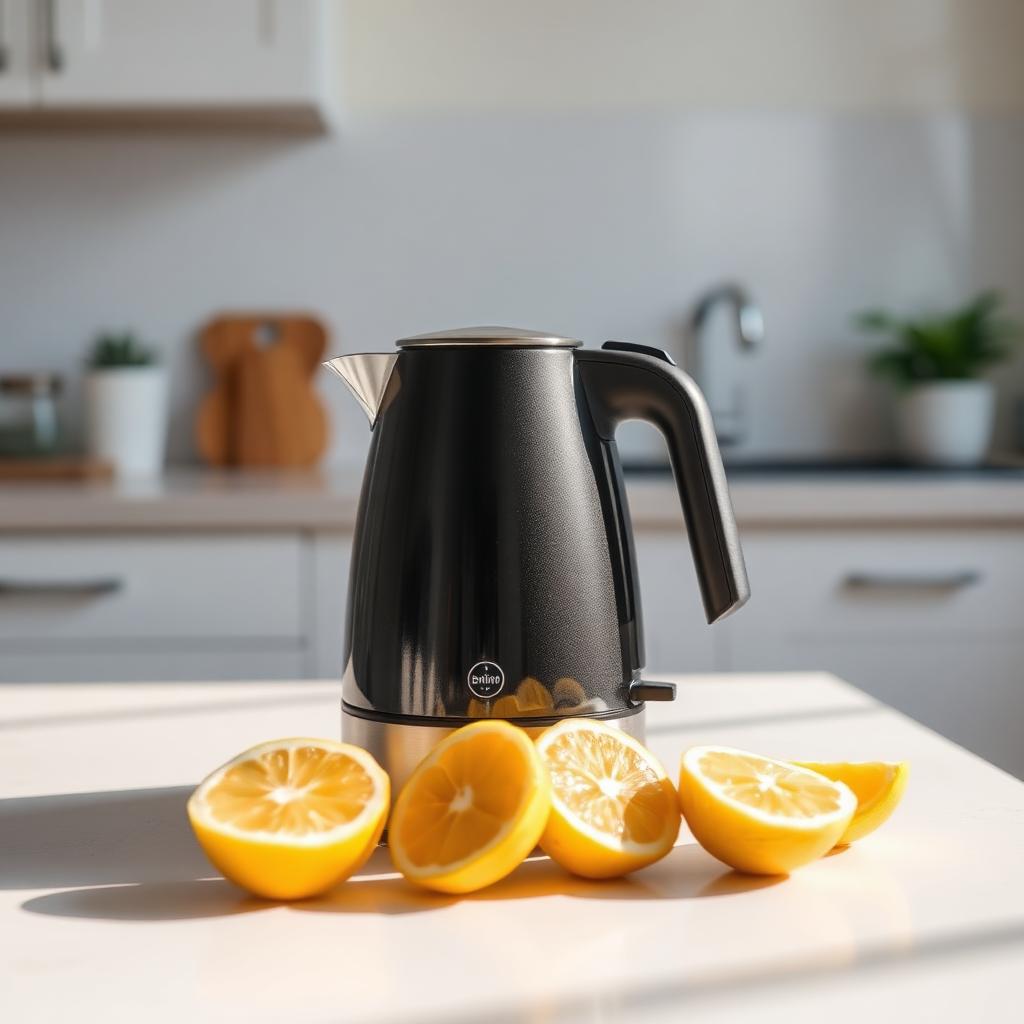
Slice one fresh lemon, drop the slices in your kettle, fill with cold water until the limescale is covered, boil once, then leave it to sit for 30 to 60 minutes. Pour out the lemony water, wipe the inside with a soft sponge, and rinse three times.
Citric acid in lemon (about 5 to 6 percent of fresh juice) reacts with the calcium carbonate in limescale and converts it into water soluble compounds that rinse away cleanly.
Repeat every 4 to 8 weeks if you live in a hard water area. Your kettle will boil faster, use less electricity, and stop dropping white flakes in your tea.
What limescale actually is
Limescale is calcium carbonate (and a smaller amount of magnesium carbonate) left behind when hard tap water evaporates. The harder your local water, the faster it accumulates as a chalky white or pale brown crust on the heating element and inside walls of the kettle.
It is not a health hazard, but it is an insulator. A scaled element transfers heat poorly, so the kettle runs longer to boil the same volume of water. That wastes electricity, shortens the appliance lifespan, and seeds your hot drinks with floating mineral flakes.
Why lemon works (the chemistry in one paragraph)
Calcium carbonate is alkaline. Citric acid is a weak organic acid that reacts with the carbonate to form calcium citrate, carbon dioxide, and water. Calcium citrate is far more soluble than calcium carbonate, which is the chemistry that lets the scale dissolve and rinse away. Heat speeds the reaction, which is why you boil the mixture rather than soaking it cold.
Lemon is gentler than commercial descalers, leaves no synthetic residue, and is food safe in any concentration you can realistically reach in a kettle. The trade off: very heavy, years old scale may need a stronger acid (white vinegar or a dedicated descaler) and a second cycle.
What you need
- 1 fresh lemon (or 2 tablespoons of bottled lemon juice)
- Cold tap water
- A non scratch nylon sponge or microfibre cloth
- Optional: a small wooden chopstick to nudge scale flakes off the element
Step by step descaling
- Slice the lemon. Cut it into 5 or 6 rounds. Drop them flat onto the heating element so they cover the worst scale.
- Fill with cold water. Cover the scale plus a little extra. Stop at the halfway mark so the boiling lemon water cannot foam over the spout.
- Boil once. Switch the kettle on. For stovetop kettles, let it boil for 2 to 3 minutes after it whistles.
- Steep for 30 to 60 minutes. This is where the chemistry does most of the work. The longer you wait, the softer the scale gets.
- Pour and wipe. Tip out the warm water and lemon slices. Wipe the interior gently with a nylon sponge. Most of the scale should lift off in sheets.
- Rinse three or four times. Refill, swirl, and pour. Repeat until no pulp or scent remains.
- Boil one final pot of plain water and discard it. This ensures your next cup of tea has zero lemon flavour.
For heavy or stubborn scale
If a single lemon cycle leaves a visible crust, repeat the cycle once more with two lemons. For decade old buildup, switch to a 50 50 mix of white vinegar and water, boil, soak overnight, and rinse thoroughly the next morning. Vinegar is stronger but leaves a sharper smell, so always finish with two or three plain water boils.
How to slow scale buildup between cleans
- Empty the kettle after each boil. Sitting hot water deposits minerals faster than fresh water.
- Use filtered water in soft water filters or jug filters that target hardness.
- Drop in a stainless steel descaling ball that attracts mineral deposits to itself rather than the element.
- Wipe the inside dry once a week with a clean cloth to remove the thin film before it hardens.
What not to do
- Do not scrub with steel wool. It scratches the protective coating on the heating element and accelerates future scale.
- Do not pour bleach or oven cleaner into a kettle. They are not food safe and the residue can be dangerous.
- Do not boil a dry or near dry kettle. Boiling without water can damage the element and trip the safety cutoff.
- Do not skip the rinse cycle. Residual citric acid is harmless to drink but tastes terrible in tea.
FAQs
Can I use bottled lemon juice instead of fresh?
Yes. Two tablespoons of bottled juice contains roughly the same citric acid as a small fresh lemon. Fresh works slightly better because of the natural oils in the peel, but the result is comparable.
How often should I descale?
In hard water areas, every 4 to 6 weeks. In soft water areas, every 2 to 3 months. If you see white flakes in your tea before then, descale immediately.
Will lemon damage the stainless steel?
No. Brief contact with diluted citric acid at boiling temperature does not corrode food grade stainless steel. Leaving the lemon solution in the kettle for more than 24 hours is not recommended, as prolonged acid exposure can dull the finish.
What about glass or plastic kettles?
Both are fine with lemon. Glass shows scale more visibly, which is actually helpful. For plastic kettles, rinse extra well to avoid a faint citrus aftertaste.
The takeaway
One lemon, cold water, a single boil, and an hour of patience descale almost any home kettle for free. Keep the cycle on your monthly cleaning list, and you will never need a bottle of commercial descaler again.