Quick Answer
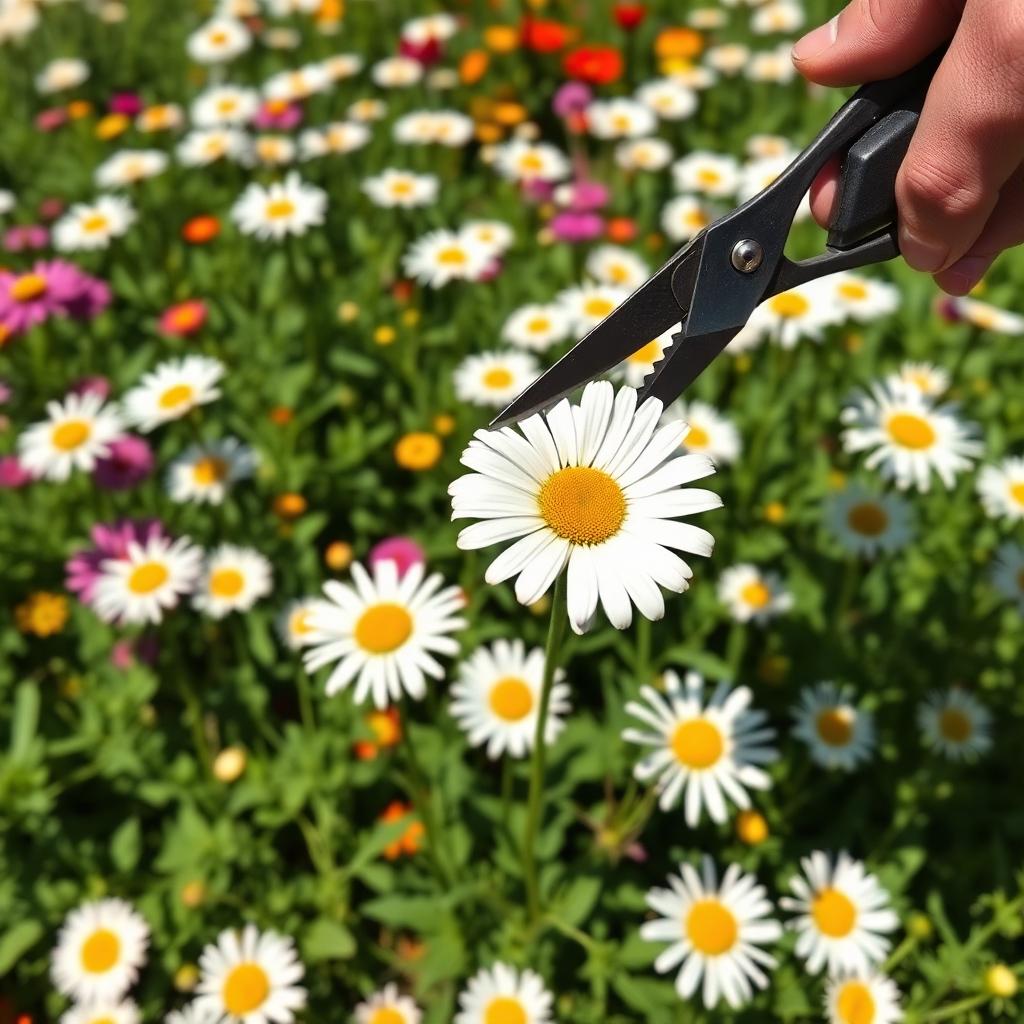
Deadheading daisies redirects the plant from seed making back into flower production. Cut the fading bloom just above the next viable lateral bud on Shasta daisies, snip Gerbera stems flush with the crown, and trim coneflowers back to the nearest healthy leaf set.
Do it as soon as petals begin to droop or the center disc fades to brown. Consistent deadheading keeps daisies blooming for weeks longer than plants left untouched.
Why Deadheading Works
Every flower exists to make seeds. The moment a bloom is pollinated, the plant pours its energy into ripening seed heads instead of producing more flowers. Removing the spent bloom interrupts that cycle and tells the plant to try again.
The technique is simple, but the right cutting point varies by species. Cutting in the wrong spot leaves an ugly stub or removes too much foliage. Below is what works for the three most common daisy types in home gardens.
When to Make the Cut
Do not wait until the flower is fully brown. The plant has already started seed production by then. Strike as soon as the petals start to droop or the bright center disc fades.
Use sharp bypass pruners or floral snips, sterilized with isopropyl alcohol between plants to avoid spreading disease.
Shasta Daisies: Cut to the Next Bud
Shasta daisies (Leucanthemum superbum) grow on branched stems where one terminal flower sits above several smaller lateral buds further down the same stem. Follow the spent flower stem downward until you spot a fresh side bud or a healthy leaf set.
Make a clean 45 degree cut about a quarter inch above that bud. The plant immediately redirects sap into the lateral bud, which usually opens within a week. Repeat through the season and one plant can deliver three or four waves of bloom.
Gerbera Daisies: Snip at the Crown
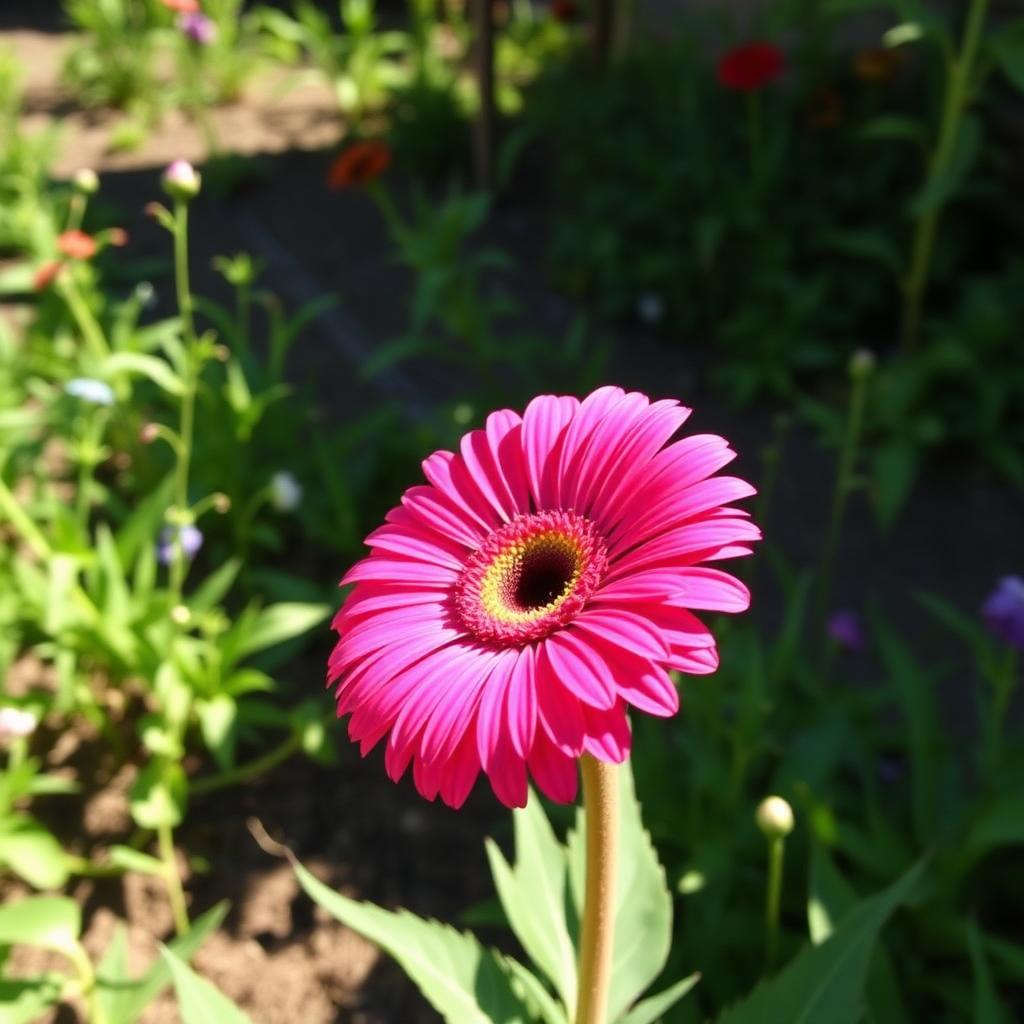
Gerbera daisies grow differently. Each flower sits on its own thick, leafless stalk that arises straight from the central rosette of leaves at soil level.
Never cut a Gerbera stem partway down. The remaining stub will rot and may infect the crown. Instead, trace the spent flower stem down to where it meets the leafy base and snip it off flush with the crown. A clean cut at the base also looks tidier and reduces fungal entry points.
Purple Coneflowers: Cut to the Next Leaf Set
Purple coneflowers (Echinacea purpurea) bloom on rigid branched stalks. Follow the spent flower down the stem until you reach the next pair of healthy leaves, then cut about a quarter inch above that leaf node.
You can also leave some seed heads in autumn. Goldfinches and other songbirds feast on the seeds well into winter, and the dried cones add structure to the garden.
Tools and Technique
- Use sharp bypass pruners for clean cuts that heal fast.
- Sterilize blades with isopropyl alcohol or a dilute bleach solution between plants.
- Cut at a 45 degree angle so water runs off the cut surface.
- Drop the spent flowers into a bucket as you go, then compost or trash them.
How Often to Deadhead
During peak summer bloom, walk the garden every two or three days with pruners in hand. A five minute pass keeps plants tidy and productive. By late summer you can stop and allow some flowers to go to seed if you want self sowing or winter bird food.
The Pinch Method for Big Patches
If you grow a large patch and pruning by hand is too slow, use hedge shears to trim the whole patch back by about a third once the first major flush of bloom finishes. The cut looks rough for a week, then the plants rebound with thick fresh growth and a second wave of flowers.
The Takeaway: End of Season Care
By late autumn, stop deadheading. Let the final flowers set seed and dry on the plant. The skeletal seed heads catch frost and morning light, feed birds through winter, and protect the crown from cold. In early spring, cut all dead growth back to the ground and the new growth will erupt fresh.
Deadhead the right way for each daisy type and you will pull two or three extra months of bloom out of a single perennial bed every season.