Quick Answer
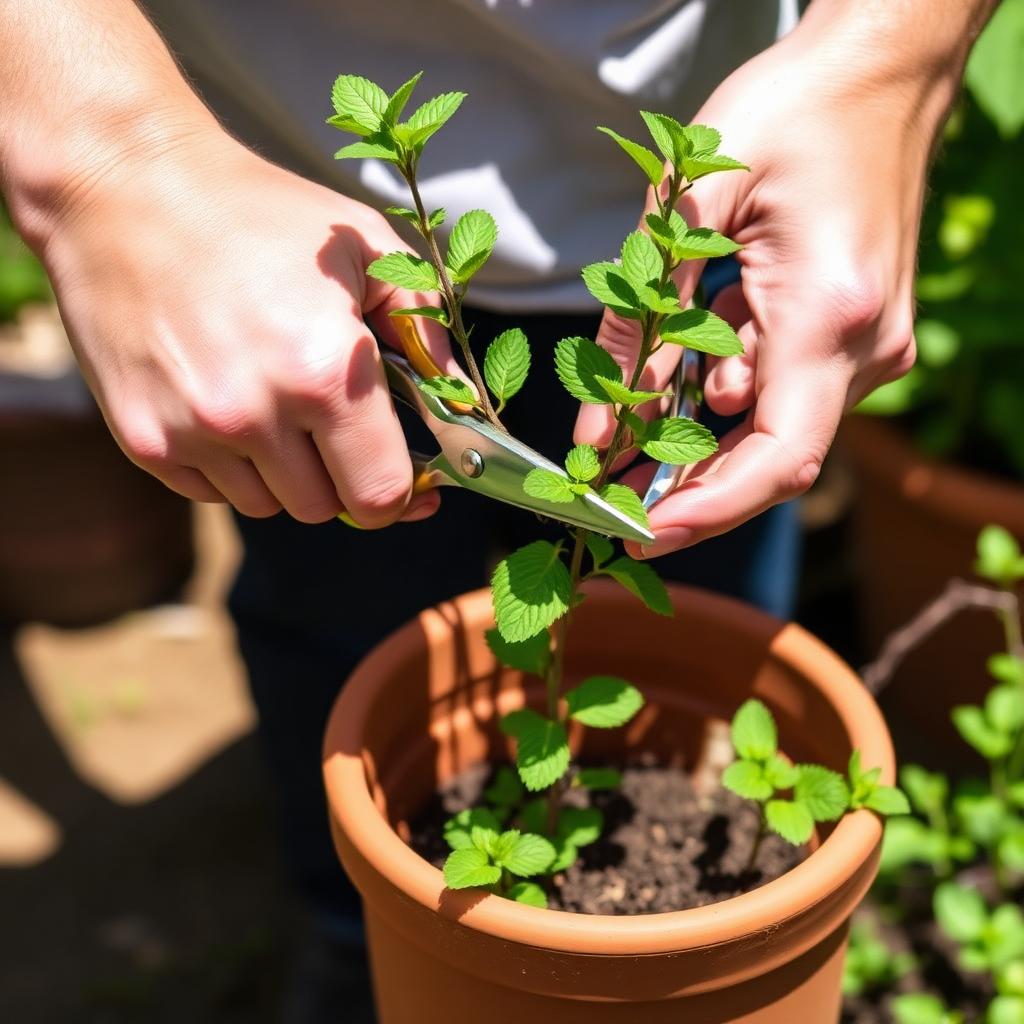
Cut mint by snipping the top four to six inches of a stem, always a quarter inch above a leaf node. The plant responds by sending out two new branches from that node within a week, turning one stem into a thick bushy cluster.
Once a season, cut the entire plant down to two inches above the soil for a flush of tender new growth. Sever any runners trying to escape the container at the same time.
1. Why mint forgives almost any cut
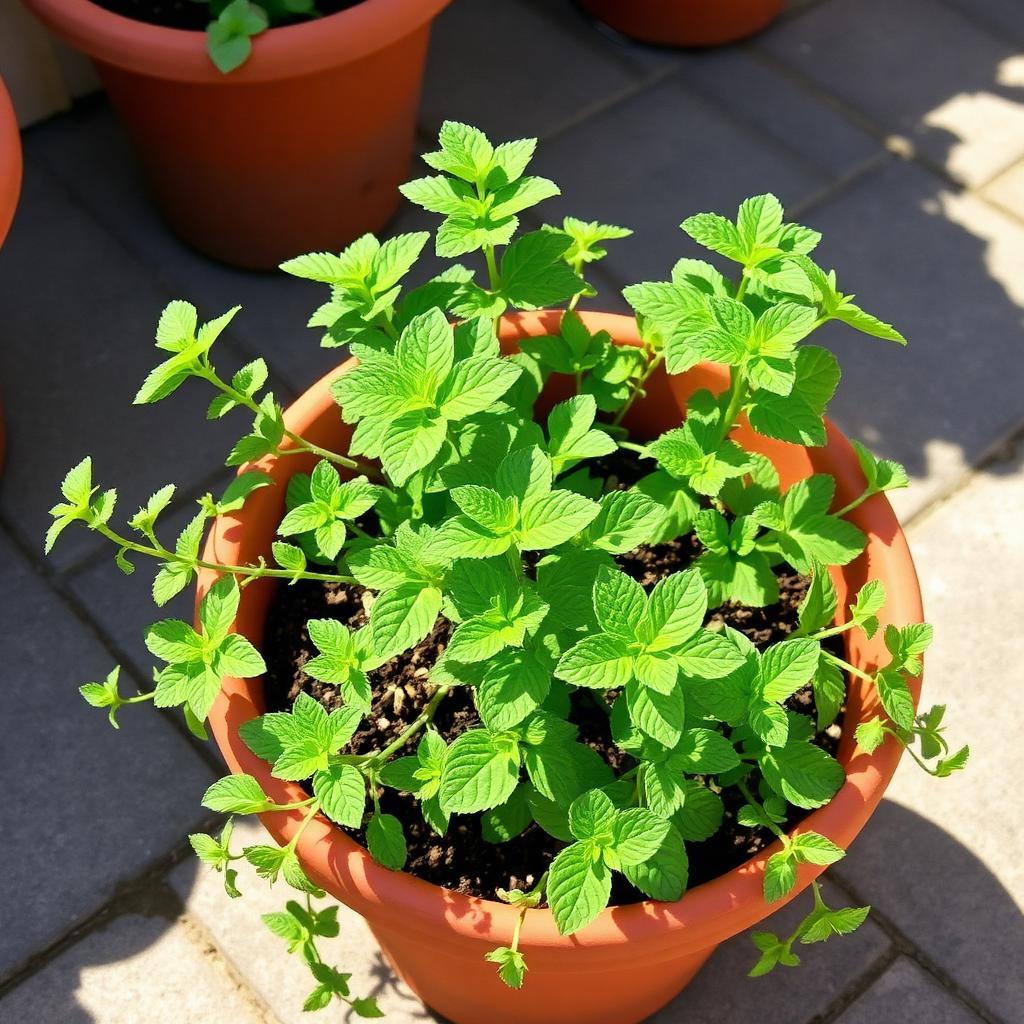
Mint (Mentha) is one of the most aggressive herbs in any garden. It spreads through both above ground and underground runners called stolons, and a single plant can colonise a whole bed in one season if you let it.
This vigour is good news for harvesting. Mint shrugs off hard cutting that would kill most other herbs. Even a complete hard prune to two inches above the soil triggers a flush of new growth within ten to fourteen days.
2. The everyday cut for kitchen use
For regular harvests, pick a tall upright stem and cut the top four to six inches off, always a quarter inch above a leaf node. The node rule applies to mint the same way it does to basil, the two dormant buds tucked inside the node swell into new branches once the apical growth is removed.
Use clean, sharp scissors. Crushed cuts from blunt blades take longer to heal and invite fungal disease.
Always cut, never strip leaves. Stripping leaves leaves the woody stem bare and the plant looks ragged for weeks.
3. The end of season hard prune
By midsummer most mint plants get tall, leggy, and start dropping their lower leaves. The stems turn brown and woody at the base, and the plant looks tired.
The fix is aggressive. Once a season (or twice in long growing climates), take garden shears and cut the entire patch down to two inches above the soil. Water deeply afterwards.
Within two weeks a uniform flush of bright tender new shoots emerges, often more flavourful than the older growth you cut. This rejuvenation works for spearmint, peppermint, apple mint, chocolate mint, and every other Mentha variety.
4. Containing the runners
The other half of cutting mint is cutting back its territorial spread. Mint sends out horizontal stolons that creep over container rims, hit soil, and root immediately.
If your mint is in a pot, walk around it weekly and snip off any runner trying to drape over the edge. If mint is in a garden bed, install a deep root barrier (eighteen inches at least), or grow it in a buried bottomless container.
Skip this step and within two seasons you will have mint coming up in the lawn, the vegetable patch, and the paving cracks.
5. Pinch flowers to keep flavour
Like basil, mint loses its best flavour when it flowers. The leaves turn slightly bitter and the plant slows leaf production while it sets seed.
Pinch flower spikes off as soon as they appear, cutting back to the next leaf node. This keeps the plant in leaf production mode and the harvest sweet through to autumn.
6. Best time of day to harvest
Cut mint in the morning, after the dew has dried but before the day heats up. Morning leaves have peak essential oil content. The same leaves cut at midday have lost noticeable aroma to heat evaporation.
Never cut a mint plant that is wilting from heat. Water deeply, wait two hours for the leaves to plump back up, then harvest.
7. Storing fresh mint
Treat cut mint like a bouquet: trim the stems, stand them in a glass of water on the kitchen counter, and they keep for up to a week. For longer storage, freeze whole leaves in olive oil or simple syrup using ice cube trays. Dried mint keeps its flavour reasonably well, unlike most leafy herbs.
The takeaway
Cut four to six inches above a node for daily kitchen harvests, hard prune the whole patch once a season for a fresh flush, sever escaping runners on sight, and pinch flowers as soon as they form. Mint thrives on aggressive cutting, so the more you harvest the more you get.