Quick Answer
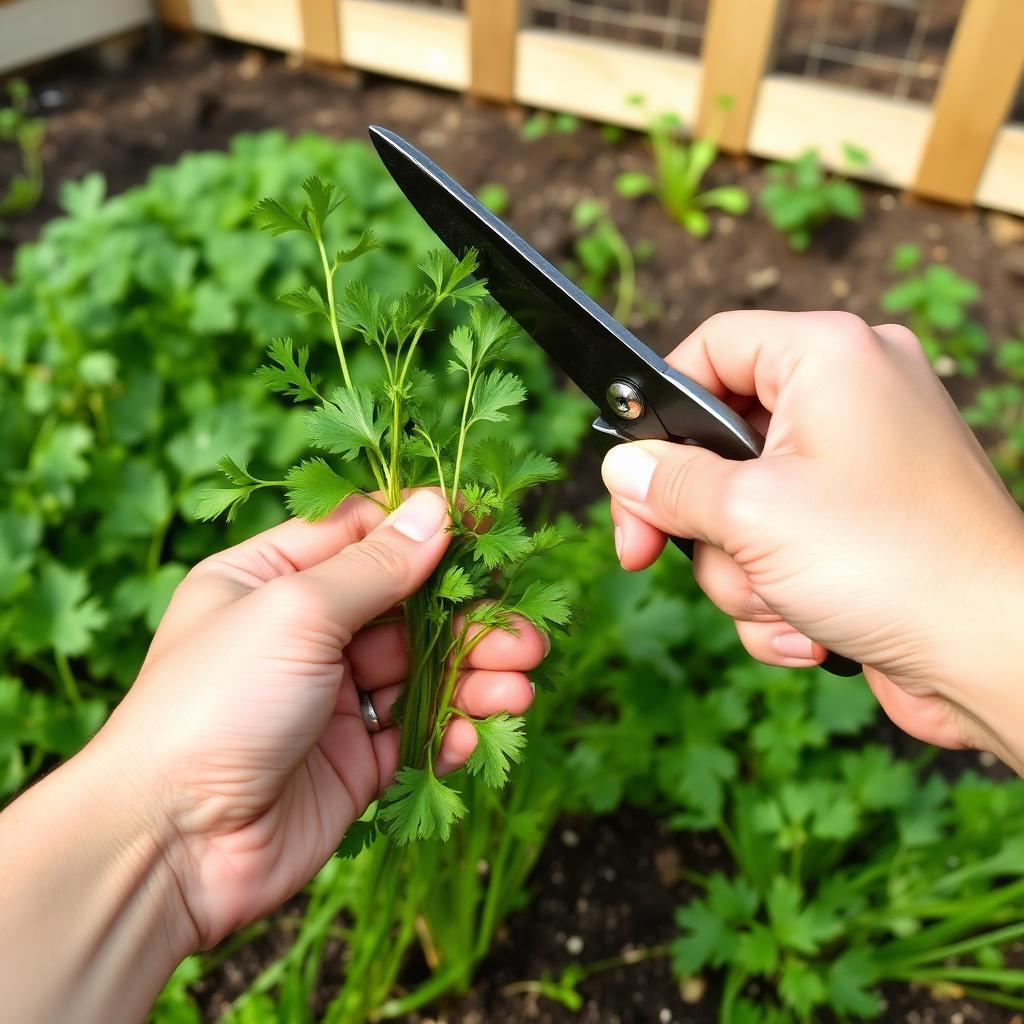
Cut cilantro by snipping whole outer stems off at the base with sharp scissors, leaving the central crown untouched. Never strip individual leaves off the stem, which wastes the most flavorful part and weakens the plant.
Start harvesting once the plant is at least 6 inches tall. Cut no more than one third of the plant at a time. Remove any flower stalks the moment you see them to keep new leaves coming.
Why Harvesting Technique Matters
Cilantro is one of the fastest growing herbs in the garden, but it is also one of the shortest lived. The plant naturally wants to bolt, meaning it sends up tall flower stalks, makes seeds, and dies, all within a few weeks of warm weather.
How you harvest changes how long the plant keeps producing. Correct cutting keeps the central growing crown intact and tricks the plant into producing more leaves instead of seeds.
When to Start Cutting
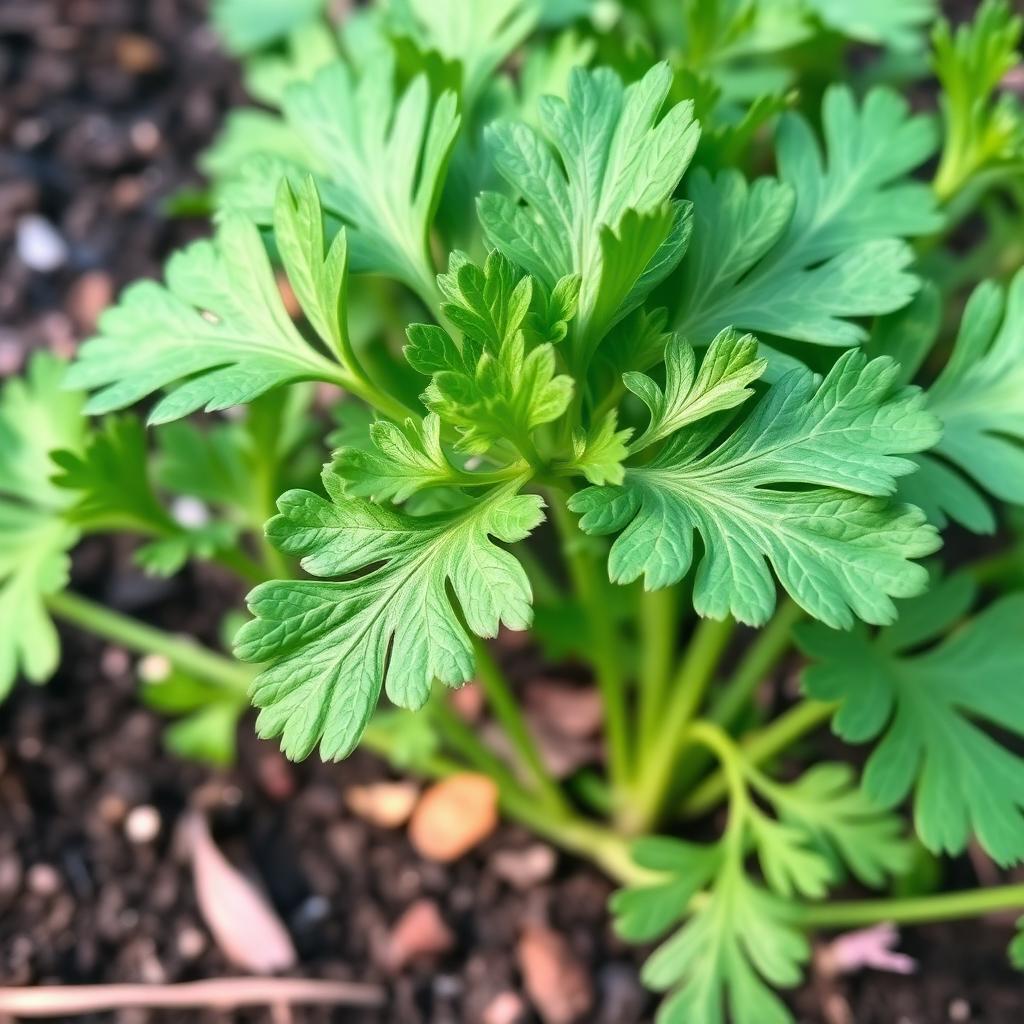
Wait until the plant is at least 6 inches tall and has a thick rosette of mature lower leaves. Cutting earlier weakens the plant and slows its growth.
- Under 4 inches tall: do not harvest yet.
- 4 to 6 inches: take only a small snip if needed.
- 6 inches and taller with a full canopy: full harvest time.
The Right Way to Cut Cilantro
Most people walk up to a cilantro plant and pull leaves off with their fingers. That habit removes the flavorful stem and leaves a bare stub that withers and invites disease.
Use a small pair of sharp scissors or garden snips. Look for the outermost, oldest stems. Trace one stem all the way down to where it meets the central crown of the plant, then snip it cleanly about a quarter inch above the crown.
Pro tip: the stems are sweet, tender, and pack more flavor per bite than the leaves. Mince the entire stem and leaf together for salsas, chutneys, and curries.
The One Third Rule
Never harvest more than one third of the plant at one time. Cutting too aggressively shocks the plant, slows regrowth, and often triggers bolting.
- Take outer stems first and rotate around the plant.
- Leave the central tight cluster of new leaves alone.
- Wait at least one week between heavy harvests.
The Cut and Come Again Method
If you grow a dense bed or a wide pot of cilantro for a big recipe like guacamole, use the cut and come again method. Gather the leafy top in one hand and run scissors horizontally across the bed, cutting away the top third only.
Leave the bottom two thirds of the stems and the central crown undisturbed. The plant will rebuild a full canopy of fresh leaves in 10 to 14 days, ready for another big harvest.
How to Stop Cilantro From Bolting
Hot weather, long days, and stress all push cilantro to bolt. The first sign is a tall thin stalk in the center of the plant. If you ignore it, white umbrella flowers appear and leaf production stops cold.
The fix is fast action. Pinch every flower stalk off at the base the moment you spot one. Keep the plant in afternoon shade during hot summer afternoons and water consistently. A mulch of straw around the base helps keep roots cool.
If your plant does bolt, all is not lost. Let the flowers turn into round green seed pods and harvest those for coriander spice. The dried seeds store for a year in a glass jar.
Best Tools for Harvesting
- Sharp micro tip pruning shears for individual stems.
- Standard kitchen scissors for large cut and come again harvests.
- A shallow basket or colander to collect cuttings.
Avoid pulling or twisting stems. The crown of the plant is shallow and easily ripped out of the soil.
How to Store Fresh Cut Cilantro
Cilantro wilts within hours at room temperature. To keep it fresh for up to two weeks, trim the cut ends, stand the bunch in a glass of water like a bouquet, cover loosely with a plastic bag, and store in the fridge.
Change the water every two days. For longer storage, chop and freeze cilantro in ice cube trays with a little olive oil for ready to use flavor bombs.
The Takeaway
Treat cilantro like a continuous crop, not a one shot harvest. Snip whole outer stems at the base with sharp scissors, never strip leaves, follow the one third rule, and remove flower stalks fast. One healthy patch will fill your kitchen with fresh herbs for months.