Quick Answer
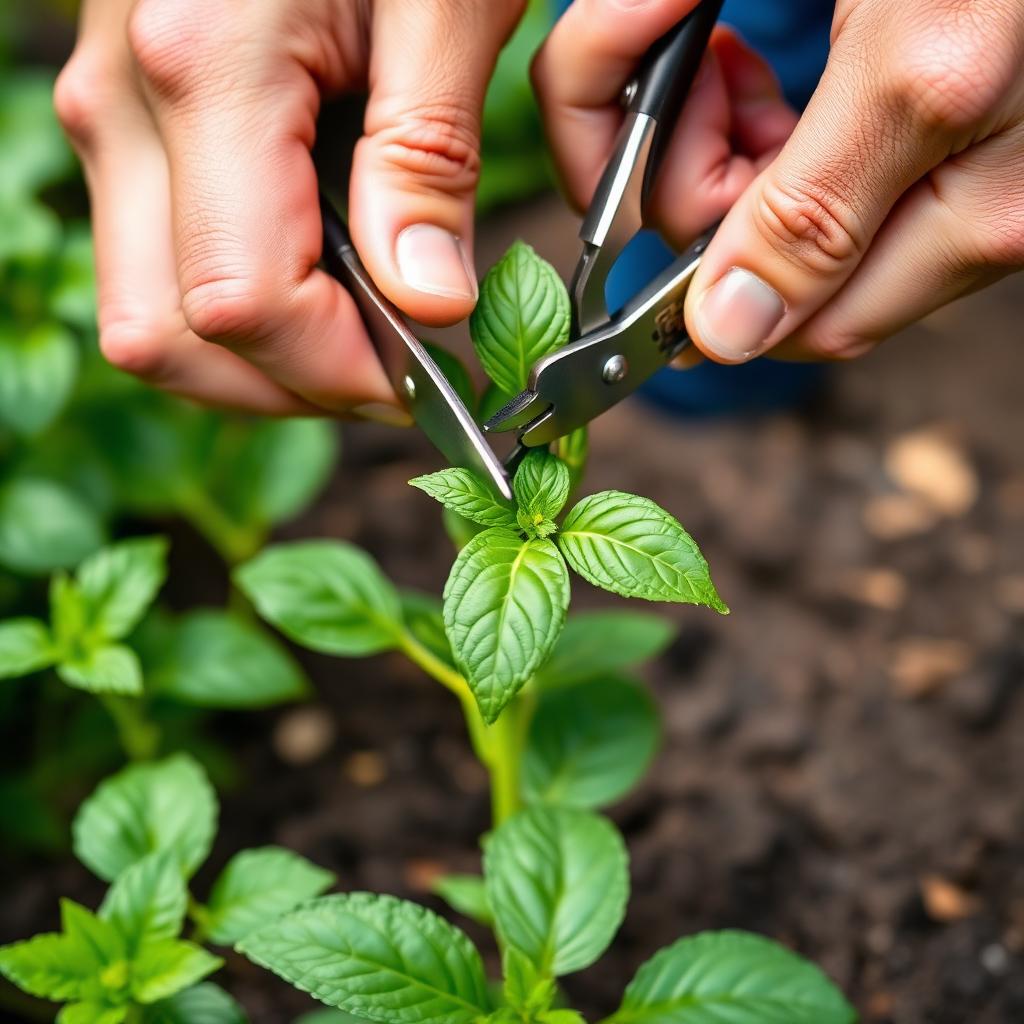
Cut basil by snipping the top of a stem about a quarter inch above a leaf node, the spot where two leaves branch off in opposite directions. Never strip individual lower leaves and never pluck random middle leaves.
That single cut triggers the two tiny buds inside the node to swell into two new branches, so one stem becomes two within ten to fourteen days. Repeat every couple of weeks and a single basil plant turns into a bushy hedge by midsummer.
Always harvest from the top down, leave the large lower leaves alone, and pinch off any flower spikes the moment you see them.
1. Why stripping lower leaves is the worst habit
Most home cooks walk up to a basil plant and pull off the biggest, most mature leaves at the bottom of the stem. It feels efficient. It is the single fastest way to kill the plant.
Those large lower leaves are the plant's solar panels. They run the photosynthesis engine that feeds the roots and pushes new growth out of the top. Strip them and you starve the plant. What is left is a tall woody stem with a tiny tuft of new leaves clinging on at the very top, often called the lollipop look.
You also create open wounds at every leaf scar, which invites fungal disease in humid weather.
2. The leaf node rule
A leaf node is the joint on a stem where two leaves come out opposite each other. Look closely at that joint and you will see two tiny green buds tucked into the V of the elbow. Those buds are dormant lateral branches waiting for a signal.
When you cut the stem above the node, the plant routes its growth hormone, called auxin, sideways into those buds. Within days they swell, and within two weeks they are full new stems with their own leaves and their own nodes ready to be cut again.
Use sharp scissors or small pruning shears and make a clean cut about a quarter inch above the node. Avoid cutting in the middle of a bare stem section because that leaves a dead stub that rots back to the next node anyway.
3. Top down, not bottom up
The tender, sweet, oil rich leaves you actually want for pesto and caprese sit at the top of every stem. The big leaves at the bottom are tougher and less flavourful, but they are the engine room.
Always harvest from the top. A good rule is to remove the top third of a stem in one cut. Leave the bottom two thirds, including all the large lower leaves, completely alone. The plant keeps making energy at full speed and rebuilds the canopy quickly.
4. How often to cut
Basil thrives on regular cutting. Once a plant has six or eight sets of leaves, start cutting every seven to fourteen days even if you do not need the basil. The cutting itself is what keeps the plant bushy and stops it bolting to flower.
If you cannot use a big handful, freeze the extra. Blend the leaves with a little olive oil, pour into ice cube trays, and you have ready made pesto base all winter.
5. Kill the flowers on sight
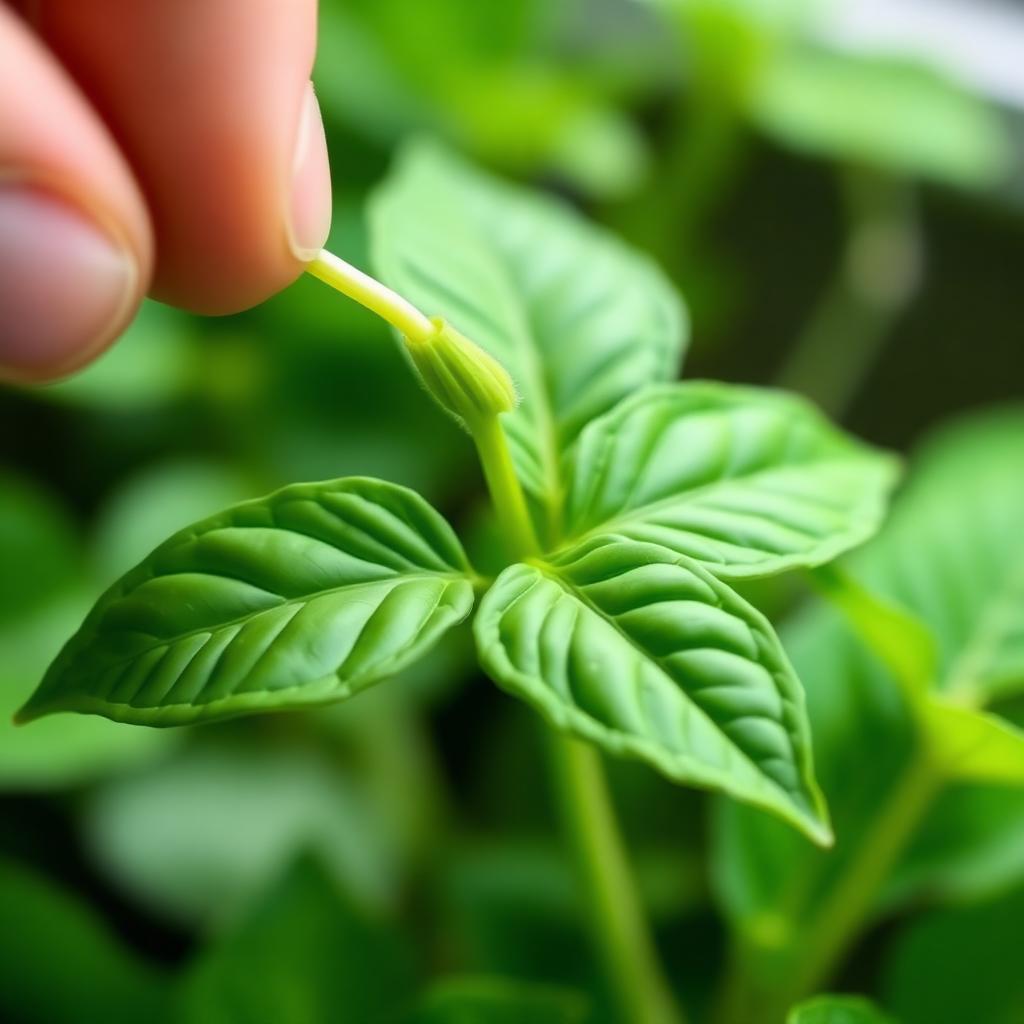
By midsummer basil sends up small pointed flower spikes at the tips of stems. The moment a basil plant flowers, two things happen. Leaf production stops, and the remaining leaves turn bitter and lose their essential oils.
Pinch the flower spike off with your fingernails as soon as you see it, cutting back to the next leaf node below the spike. Do this every few days during peak summer. A vigilant gardener can keep a single basil plant productive from May through the first frost.
6. Tools and timing
Use scissors that you have wiped with rubbing alcohol or soapy water. Dirty blades spread bacterial leaf spot. Cut in the morning if you can, after the dew has dried but before the day heats up. Morning leaves are crisp and full of oil. Midday leaves are limp and bruise easily.
Never cut basil when the plant is wilting from heat or thirst. Water it deeply, wait a few hours, then harvest.
The takeaway
Stop pulling leaves and start cutting stems. One clean snip a quarter inch above a leaf node turns one branch into two, keeps the plant bushy, and gives you a steady supply of sweet leaves right up to autumn. Combine the node rule with weekly cuts and aggressive flower pinching and a single supermarket basil pot can feed a household all summer.