Quick Answer
Sweep or vacuum daily on hard-floor mode with the rotating brush off, so grit does not scratch the finish. For deeper cleaning, mop with a flat microfiber pad wrung out until it is barely damp, using a pH-neutral wood cleaner such as Bona or Method Squirt and Mop.
Skip steam mops, vinegar, ammonia, oil soaps and soaking-wet pads. They strip or warp the polyurethane finish over time.
What hardwood floors actually need protection from
A modern hardwood floor is sealed under a clear protective layer, usually polyurethane or a hard wax oil. That coating is what you are really cleaning and protecting. The wood underneath is hidden and almost never touched directly.
Three things damage that coating: abrasion from grit walked in on shoes, moisture that gets between the boards or under the finish, and harsh chemicals (acids, alkalis, solvents) that dissolve the topcoat. A good cleaning routine controls all three.
Daily: sweep before you mop, every time
The single biggest cause of dull hardwood is grit. Sand, gravel, and outdoor dirt get tracked in on the soles of shoes and act like sandpaper under every footstep. Within a year of unswept floors the finish in high-traffic zones is visibly worn.
Use one of three tools:
- A wide microfiber dust mop (the easiest option, lifts dust via static)
- A soft-bristle broom
- A vacuum with a dedicated hard-floor mode that disables the rotating brush bar
The brush bar matters because it is designed to beat dirt out of carpets. On wood it just whips fine grit against the finish and scratches it. Most modern vacuums have a button or pedal to switch the brush off.
Weekly: damp mop with the right cleaner
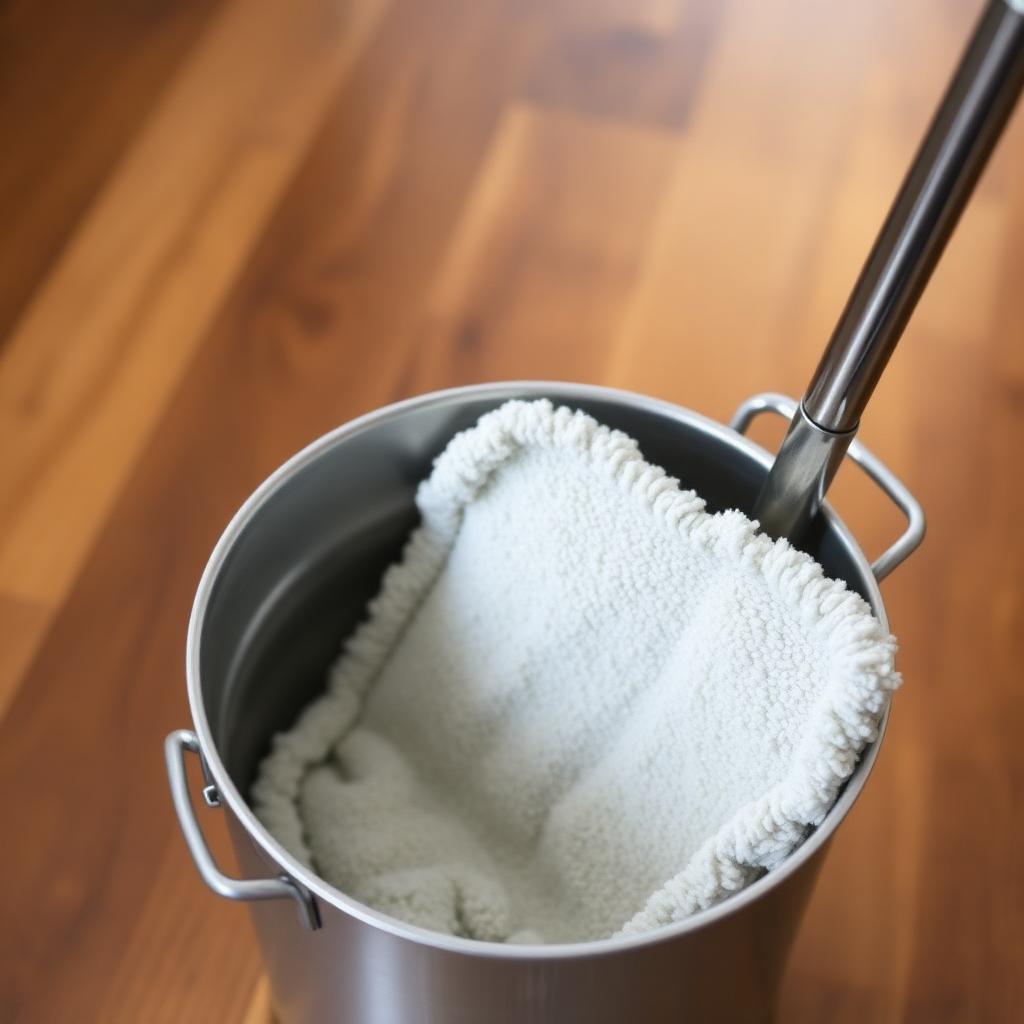
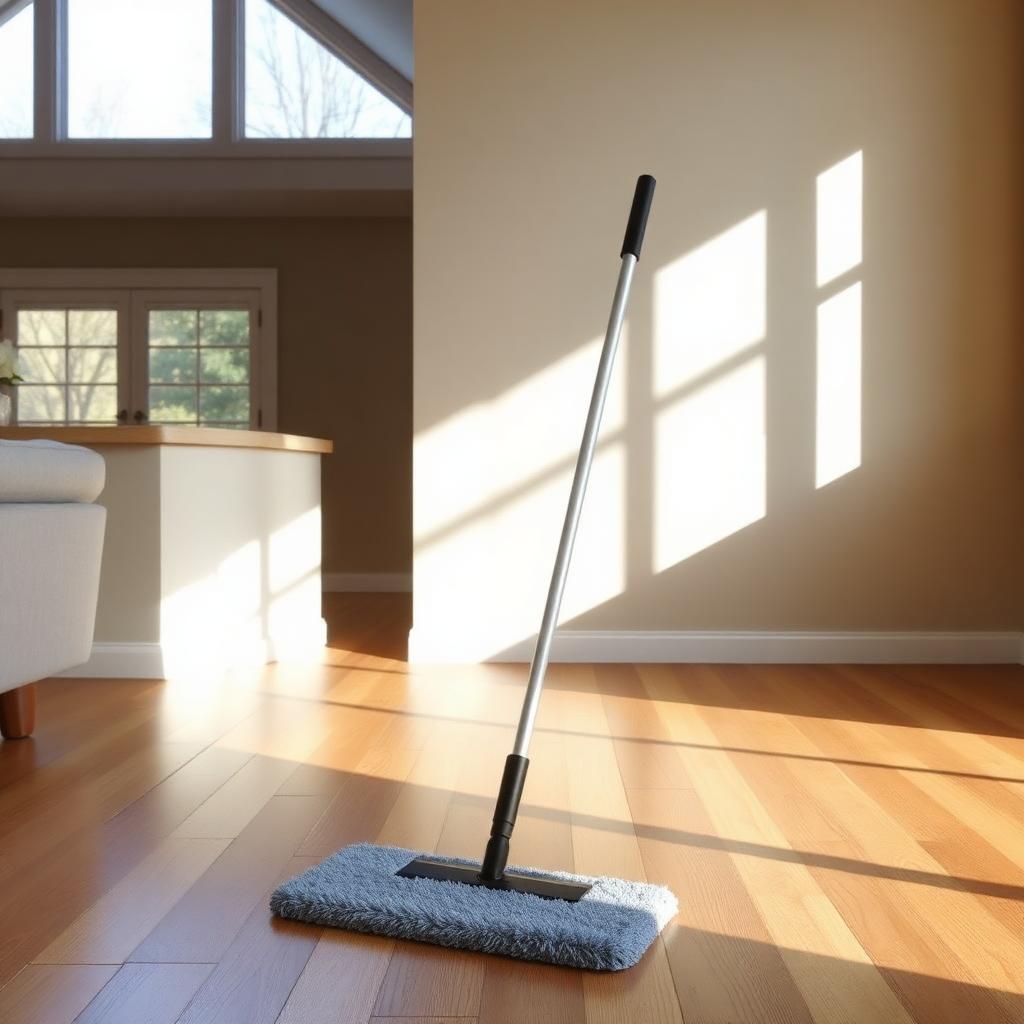
For weekly deep cleaning, use a flat microfiber mop and a pH-neutral wood cleaner. The big trusted names are Bona Hardwood Floor Cleaner, Method Squirt and Mop, Murphy Oil Soap (only on unwaxed floors, sparingly), or any cleaner labelled specifically "for sealed hardwood".
The technique:
- Sweep or vacuum first. Always.
- Spray a light mist of cleaner ahead of the mop, or dip the pad in a bucket and wring it out aggressively until you cannot squeeze another drop.
- Mop in long strokes along the direction of the wood grain.
- The floor should look dry within 60 seconds of passing the mop. If you see puddles or wet streaks, the pad is too wet.
Standing water seeps into the seams between boards and causes the wood to swell, cup, or stain. That is the damage you cannot polish out.
What never to use on hardwood
- Steam mops. They force pressurised water vapour through the finish into the wood. The boards swell and cup permanently.
- Vinegar. Acetic acid slowly etches polyurethane, leaving a dull haze that no polish fixes.
- Ammonia or bleach. Both strip the topcoat and can discolour the wood.
- Oil soaps on modern polyurethane finishes. They leave a film that prevents refinishing later. Oil soaps are only appropriate for old-school wax-finished floors.
- Furniture polish or wax sprays. They leave a slippery residue.
- String mops and buckets of dirty water. You are essentially painting grit and old soap back onto the floor.
Dealing with spots and spills
Wipe spills immediately with a dry cloth. Water rings can be buffed gently with a barely damp microfiber and dried straight away. Pet accidents need cleaning fast because uric acid stains and lifts the finish. For sticky food, dampen the spot, wait a minute, then wipe with a soft cloth, never scrape with metal.
For scuff marks, a tennis ball cut with an X and pushed over the scuff actually works because the felt is abrasive enough to lift rubber but soft enough not to scratch the finish.
Long-term preservation
Put doormats at every entrance, inside and out, to catch grit before it reaches the wood. Add felt pads to all chair and table legs and replace them every six months. Trim pet nails. Avoid rolling office chairs without a polycarbonate mat underneath. Re-coat with a fresh layer of polyurethane every 7 to 10 years, depending on traffic, to refresh the protective layer before it wears through to bare wood.
Frequently asked questions
Is a Swiffer WetJet safe on hardwood?
The disposable pads are fine; the issue is the cleaning solution. The original WetJet wood formula is pH-neutral and safe. Avoid all-purpose or anti-bacterial WetJet solutions on sealed hardwood, because they contain surfactants that build up a hazy residue over time.
Can I use a robot vacuum?
Yes, as long as the wheels are rubber (not hard plastic) and the brush bar can be turned off or swapped for a hard-floor-only roller. Most modern Roborock, iRobot Roomba J-series, and Eufy models have a hardwood mode.
What about engineered hardwood?
The same rules apply. The wear layer is still a polyurethane-sealed wood veneer, so steam, vinegar, and standing water do the same kind of damage.
How do I bring back the shine?
A dedicated wood floor polish (Bona Polish, Rejuvenate Professional) refreshes the topcoat once a year. Apply with a clean microfiber pad on a freshly cleaned dry floor, then let it cure for 24 hours before walking on it.
Are mop slippers any good?
Microfiber slippers are great for daily dust pickup in small rooms but not a real substitute for a proper flat mop on a weekly clean. They also distribute pressure unevenly, so they miss the gaps between boards where most dust settles.
How long should I wait to mop after refinishing?
A freshly refinished floor needs 24 hours of foot rest, 72 hours before adding rugs, and a full 14 days before the first wet mop. Polyurethane cures slowly. Mopping early softens the new finish and leaves permanent dull patches.
The takeaway
Hardwood floors stay beautiful with three habits: sweep grit away daily, mop with a barely damp microfiber pad and a pH-neutral wood cleaner weekly, and avoid the things that strip or swell the finish, steam, vinegar, ammonia, and standing water. Do those three, add good doormats, and your floors will look new for decades.