Quick Answer
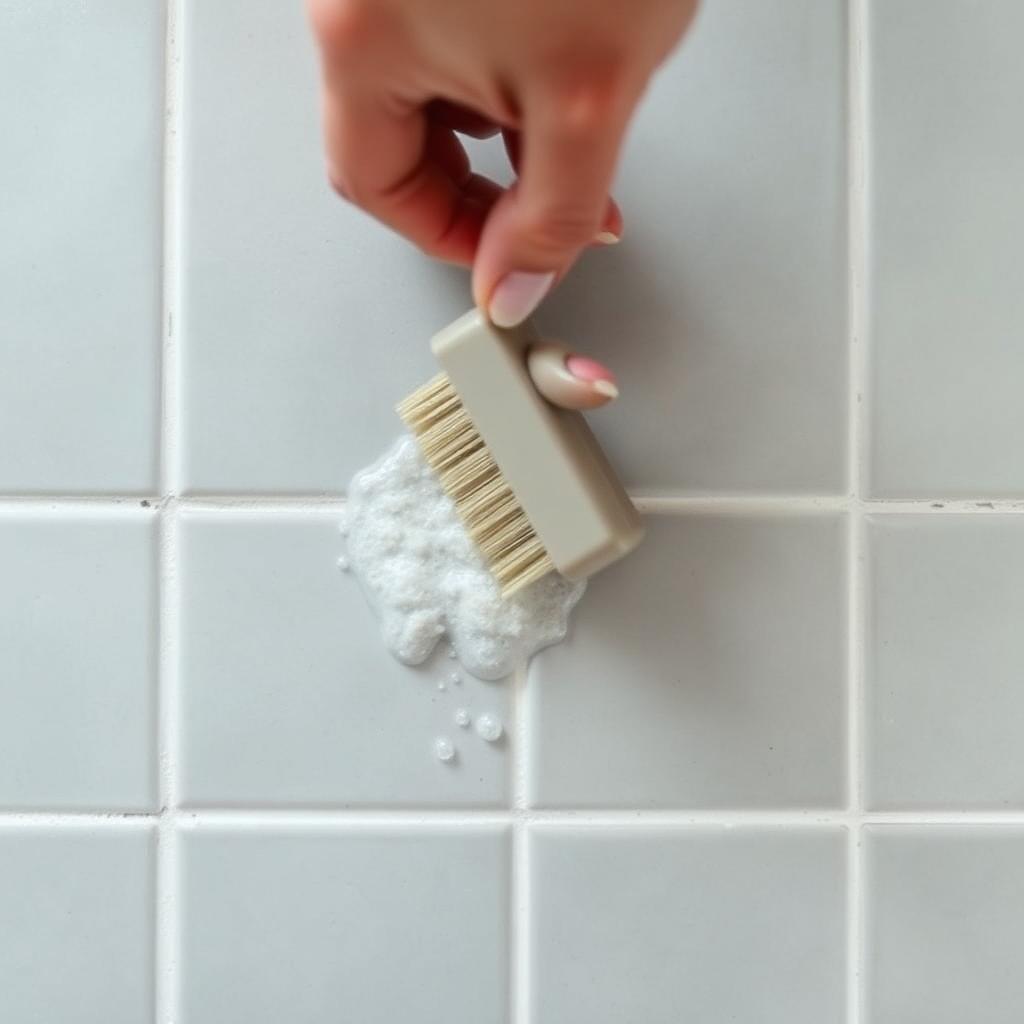
For most dirty grout, mix two parts baking soda with one part 3 percent hydrogen peroxide and a teaspoon of dish soap into a thick paste. Brush it along the grout lines, let it bubble for 10 to 15 minutes, then scrub with a stiff nylon brush and wipe clean with a damp microfibre cloth.
For heavy, set in stains, switch to powdered oxygen bleach (sodium percarbonate) mixed with warm water. For bathroom mildew, use an enzyme based mould remover. Skip chlorine bleach: it erodes coloured grout over time and damages adjacent natural stone.
Why grout gets so dirty
Standard cementitious grout is a mix of Portland cement, sand and water. Once cured it is full of microscopic pores that act exactly like a sponge. Every dirty mop bucket, splatter of pasta sauce, drop of bath soap and damp footprint slowly soaks into those pores. Over a year or two the lines go from bright white or grey to a flat brown stain that no amount of regular mopping will lift.
That porosity is why the right cleaning approach matters. You are not just wiping a surface; you are trying to draw embedded particles back out of the cement matrix.
The four level intensity ladder
Always start at the gentlest level. Move up only if the previous level fails.
- Level 1, light maintenance: warm water and a nylon bristle brush. Use for routine weekly touch ups.
- Level 2, moderate grime: baking soda and hydrogen peroxide paste. Handles kitchen grease and high traffic discolouration.
- Level 3, deep stain: powdered oxygen bleach (Oxiclean, Borax based products, or pure sodium percarbonate). Tackles years of accumulated organic grime.
- Level 4, biological staining: enzyme or quaternary ammonium based mould and mildew remover. Reserve for shower black spotting and bathroom corners.
What you will need
- Stiff nylon bristle grout brush (never wire or steel wool).
- Baking soda and 3 percent hydrogen peroxide from any drugstore.
- A small bottle of mild dish soap.
- Microfibre cloths and a bucket of clean warm water.
- Optional: powdered oxygen bleach for level 3, an old toothbrush for tight corners.
- Rubber gloves and eye protection for the deeper levels.
The step by step deep clean
Step 1: pre clean the surface
Vacuum or sweep the entire floor first. Any loose dust will turn into mud the moment you add liquid and you will be grinding fresh grime back into the grout. For shower tiles, run hot water for two minutes to soften scum.
Step 2: mix the paste
In a small bowl combine 2 parts baking soda, 1 part 3 percent hydrogen peroxide and a teaspoon of dish soap. Stir to a thick toothpaste consistency. Make it in batches; the peroxide reaction is most active in the first 30 minutes.
Step 3: apply along the lines
Use an old toothbrush or a dedicated narrow grout brush to spread the paste directly along the grout, not across the tile face. Work in roughly four square foot sections so the paste does not dry before you scrub.
Step 4: let it dwell
Let the paste sit for 10 to 15 minutes. You will see tiny bubbles forming. That is oxygen being released from the peroxide as it reacts with organic soils; the bubbles physically lift dirt out of the pores.
Step 5: scrub firmly
With a stiff nylon brush, scrub each line using short, firm, back and forth strokes. Switch to circular motions on stubborn spots. Avoid pushing down hard enough to gouge the grout; let the bristles and the paste do the work.
Step 6: rinse and neutralise
Wipe up the dirty slurry with a damp microfibre cloth, rinsing the cloth often. Then mop the area with warm water mixed with half a cup of distilled white vinegar per gallon. The mild acid neutralises residual baking soda and prevents a chalky film on the tiles.
Level 3: stubborn discolouration
If the paste only fades the stain, step up to powdered oxygen bleach. Mix two tablespoons of sodium percarbonate (the active ingredient in most colour safe oxygen bleaches) into a cup of warm water. Apply to dry grout, let it dwell for 20 to 30 minutes, scrub and rinse. Always test in a corner first because oxygen bleach can lighten coloured (pigmented) grout.
Level 4: bathroom mildew
Black spots on shower grout are almost always biological (Aureobasidium and Cladosporium moulds). An enzyme based mould remover or a product containing benzalkonium chloride dissolves the colonies. Spray on, leave 10 minutes, scrub and rinse. Increase bathroom ventilation afterwards because mould always grows back if humidity stays above 60 percent.
What never to do
- Do not use chlorine bleach on coloured grout. It strips pigment unevenly and damages the cement binder over time.
- Do not use wire brushes or steel wool. Metal bristles shred grout and leave rust streaks on light tiles.
- Do not mix bleach with vinegar or ammonia. The reaction releases toxic chlorine or chloramine gas.
- Do not use vinegar on natural stone tiles (marble, travertine, slate). Acids etch and dull the polish.
Seal the grout so it stays clean
Once the floor is fully dry (at least 24 hours after a deep clean), apply a penetrating grout sealer. Products like Aqua Mix Sealer's Choice Gold, Miracle 511 or Tuff Duck soak into the pores and create a water and oil resistant barrier without coating the surface. One bottle (200 to 350 ml) treats roughly 150 to 250 square feet of grout lines.
Apply with the brush applicator on the bottle, wipe excess off the tile face within 5 minutes, and let it cure 24 hours before walking on it. A sealed grout line resists staining for 12 to 18 months in busy households and longer in bedrooms or laundry rooms.
How often to clean
- Quick wipe with warm soapy water: weekly.
- Baking soda and peroxide paste deep clean: every 2 to 3 months in kitchens and bathrooms, every 6 months elsewhere.
- Reseal: every 12 to 18 months, sooner in showers and entryways.
FAQs
Will a steam cleaner damage grout?
Steam at moderate pressure is generally safe and very effective on sealed grout. Avoid high pressure or concentrated jets on old, soft grout because the steam can erode the cement.
Why is my grout still dark after cleaning?
Either the discolouration penetrated below the surface (apply oxygen bleach next time) or the grout is permanently stained and needs to be removed and replaced with new grout (a one weekend DIY job with a rotary tool).
Can I paint grout instead of cleaning it?
Yes. Grout colourant products (Polyblend Grout Renew, Mapei Grout Refresh) bond to clean dry grout and restore a uniform colour for several years. Always deep clean first; paint will not stick to greasy grout.
The takeaway
Bright grout comes down to three habits: start gentle, escalate only if the gentle method fails, and finish with a penetrating sealer so the porosity is closed off. Get the deep clean right once and a 30 second weekly wipe keeps it looking new for the next year.