Quick Answer
Pothos (Epipremnum aureum) is one of the easiest houseplants to keep alive. Give it bright, indirect light, water only when the top 2 inches of soil dry out, and pot it in a chunky, well-draining mix of standard potting soil and perlite.
It tolerates lower light, but variegated cultivars like Golden, Marble Queen, and Neon will hold their patterns and grow faster in brighter spots. Average room temperatures between 60 and 85 F suit it well.
To turn a leggy vine into a full, bushy plant, prune just below a node and root the cutting back into the same pot.
Why pothos is the perfect beginner houseplant
Few houseplants enjoy the global popularity of pothos. Often called Devil's Ivy because of its near-indestructible nature, this trailing vine is a staple in apartments, offices, and shaded living rooms. Heart-shaped leaves cascade from hanging baskets or climb a moss pole, and the plant forgives almost every beginner mistake.
But surviving and thriving are different things. To unlock vibrant variegation, fast vine extension, and a dense canopy, you need to understand its core preferences. This guide pulls all of that together.
Quick reference: ideal pothos conditions
| Care category | Ideal pothos standards |
|---|---|
| Light | Bright, indirect light (tolerates low) |
| Watering | Top 2 inches of soil fully dry |
| Soil mix | 2 parts potting soil to 1 part perlite |
| Temperature | 60 F to 85 F (15 C to 29 C) |
| Humidity | 40 percent or higher preferred |
| Feeding | Balanced liquid fertilizer monthly in spring and summer |
1. Light and variegation preservation
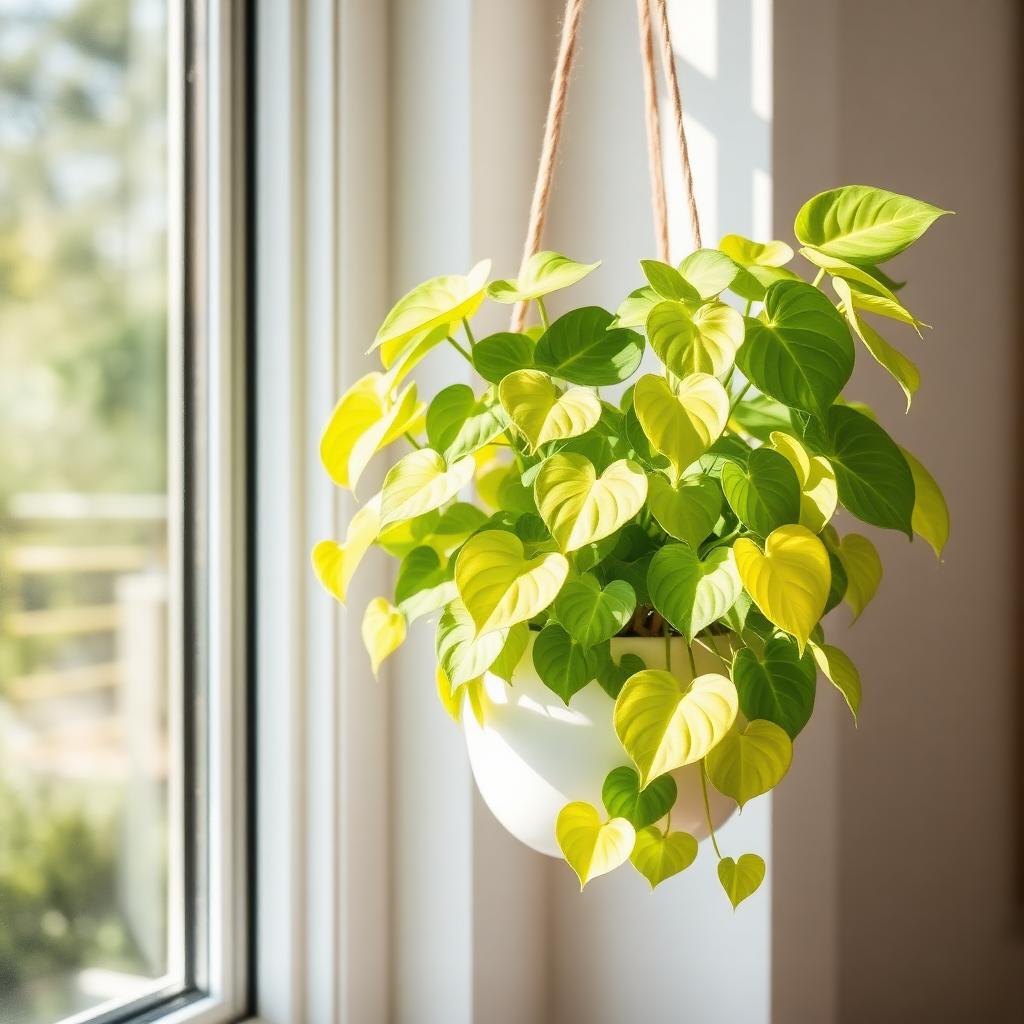
Pothos cultivars are loved for their leaf patterns. Golden Pothos shows creamy yellow splashes, Marble Queen carries intricate white marbling, and Neon Pothos glows a solid chartreuse green.
The plant will tolerate dim, windowless corners, but a long stay in low light directly affects looks. Variegated cultivars slowly revert to plain dark green because the plant pushes out more chlorophyll to maximize its limited sun. For the brightest leaf patterns, keep the pot in a spot that gets several hours of bright filtered light, such as a few feet back from an east or north window.
Avoid harsh direct afternoon sun through a south-facing window, which can scorch the leaves and bleach the variegation.
2. Watering: the fastest way to kill a pothos
Overwatering is the single biggest cause of pothos death. The roots are sensitive to constant moisture, which suffocates root hairs and triggers fungal rot. Soggy soil is far more dangerous than a few days of dryness.
Skip the fixed weekly calendar. Push your finger 2 inches deep into the soil. If it feels damp or cool, wait. Only water when that upper layer is fully dry, then soak the pot until water drains from the bottom holes. Empty the saucer right away so the roots are never sitting in standing water.
A drooping pothos with leaves that perk back up an hour after watering is just thirsty. Yellowing leaves with mushy stems point to overwatering, and that needs immediate intervention.
3. Soil, pots, and repotting
Standard houseplant potting mix works as a base, but pure potting soil holds too much water for pothos. Mix in roughly one part perlite or pumice for every two parts of potting soil. The chunky texture creates air pockets, lets oxygen reach the roots, and prevents compaction.
Use a pot with at least one drainage hole. Terracotta is excellent because the porous clay wicks excess moisture out of the soil between waterings, which is helpful if you tend to be heavy-handed with the watering can.
Repot every 2 to 3 years, or when you see roots circling the bottom drainage hole. Go up only one pot size at a time, since a pot that is too large holds extra wet soil around tiny roots.
4. Pruning and propagation
Left alone, pothos vines can stretch past 10 to 15 feet but grow leggy and bare at the base. Regular pruning forces the plant to branch and become bushier.
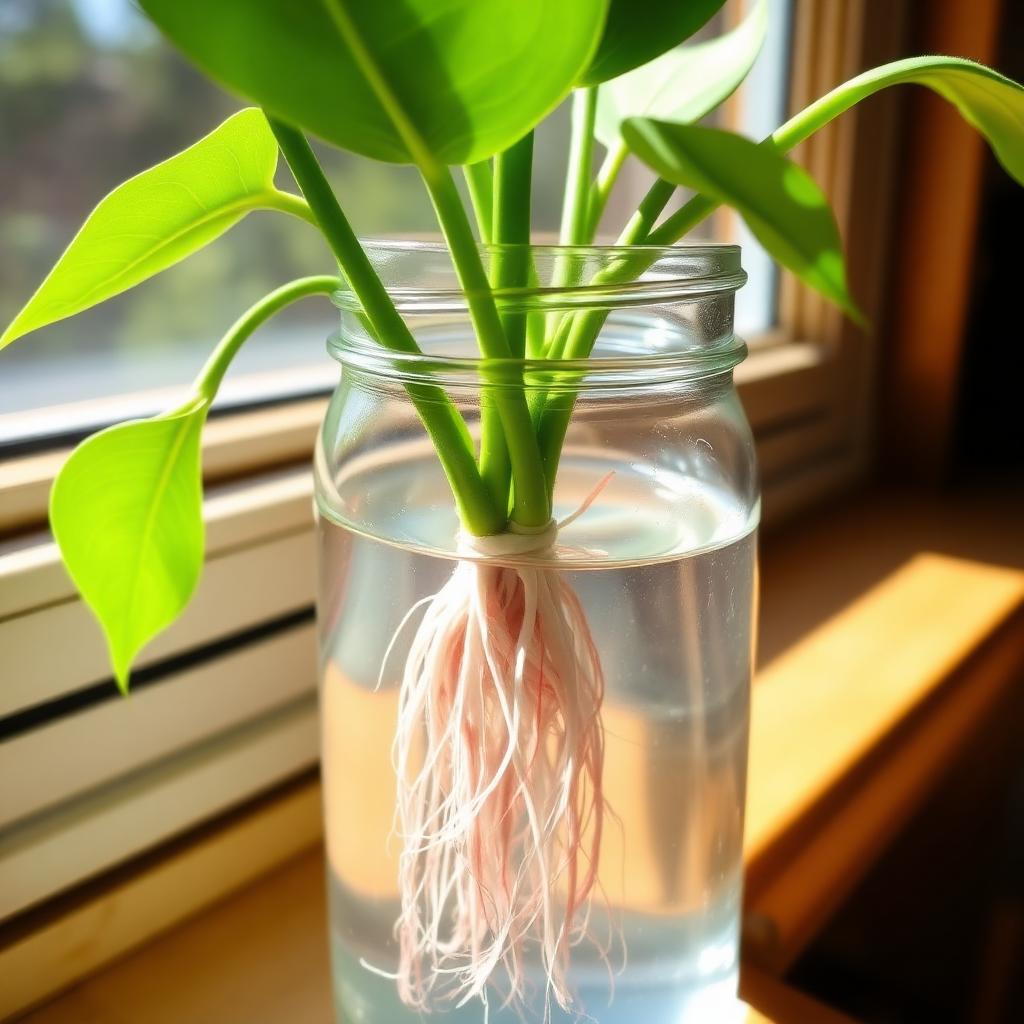
Use clean, sharp shears to snip a vine about a quarter inch below a leaf node, the small raised brown bump where aerial roots emerge. Every node cutting can be dropped into a glass of room-temperature water. Within 10 to 14 days, white roots will push out of the node. Once roots reach 2 inches long, plant the rooted clones straight back into the parent pot to build a thick canopy.
5. Feeding, humidity, and common problems
Pothos is a light feeder. A balanced 10-10-10 or 20-20-20 liquid fertilizer diluted to half strength, applied once a month from March through September, is plenty. Skip feeding in winter when growth slows.
Average household humidity is fine. Crisp brown leaf tips usually point to underwatering or salt buildup from fertilizer, not low humidity. Flush the pot with plain water every few months to rinse mineral deposits out of the soil.
Watch for soft black stems at the base (root rot, repot into fresh dry mix immediately), pale washed-out leaves (too much direct sun), or sticky residue and tiny webbing (spider mites, wipe leaves with diluted neem oil).
Takeaway
Pothos rewards a hands-off owner. Bright indirect light, a thorough dry-down between waterings, a chunky soil mix, and an occasional pruning session are all it takes to keep this trailing vine pouring fresh growth out of its pot for years on end.