Quick Answer
Kalanchoe blossfeldiana is a Madagascar succulent that lives for years indoors if you give it 4 to 6 hours of bright indirect light, gritty fast draining soil, and water only when the top two inches are bone dry.
To force a second wave of those famous neon flowers, give the plant 14 hours of total darkness every night for 6 weeks in autumn. That short day trigger is the whole secret behind the holiday display you bought it for.
What Kind of Plant Is a Kalanchoe
Kalanchoe is a true succulent, which means the thick scallop edged leaves store water just like an aloe or a jade plant. The plant evolved on dry rocky hillsides in Madagascar, so it expects bright sun, rocky soil, and long dry spells between rains.
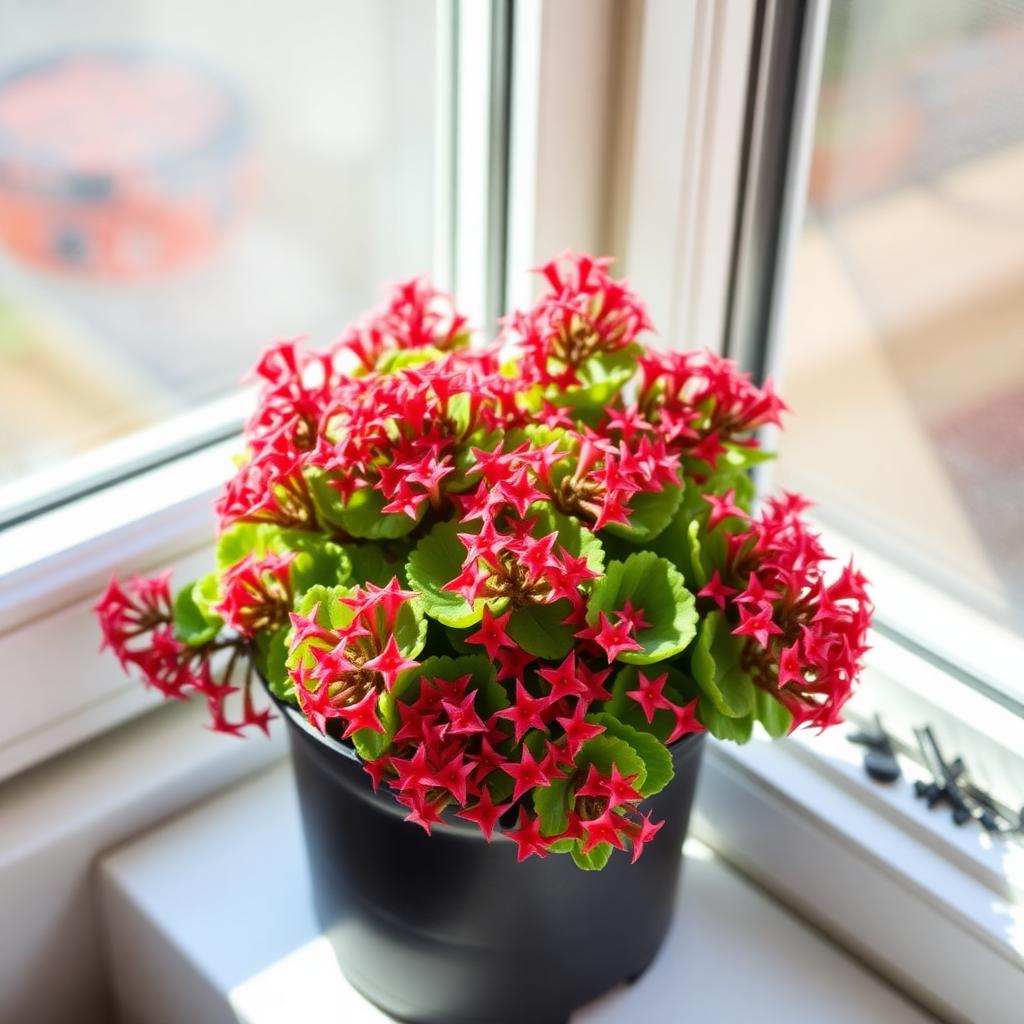
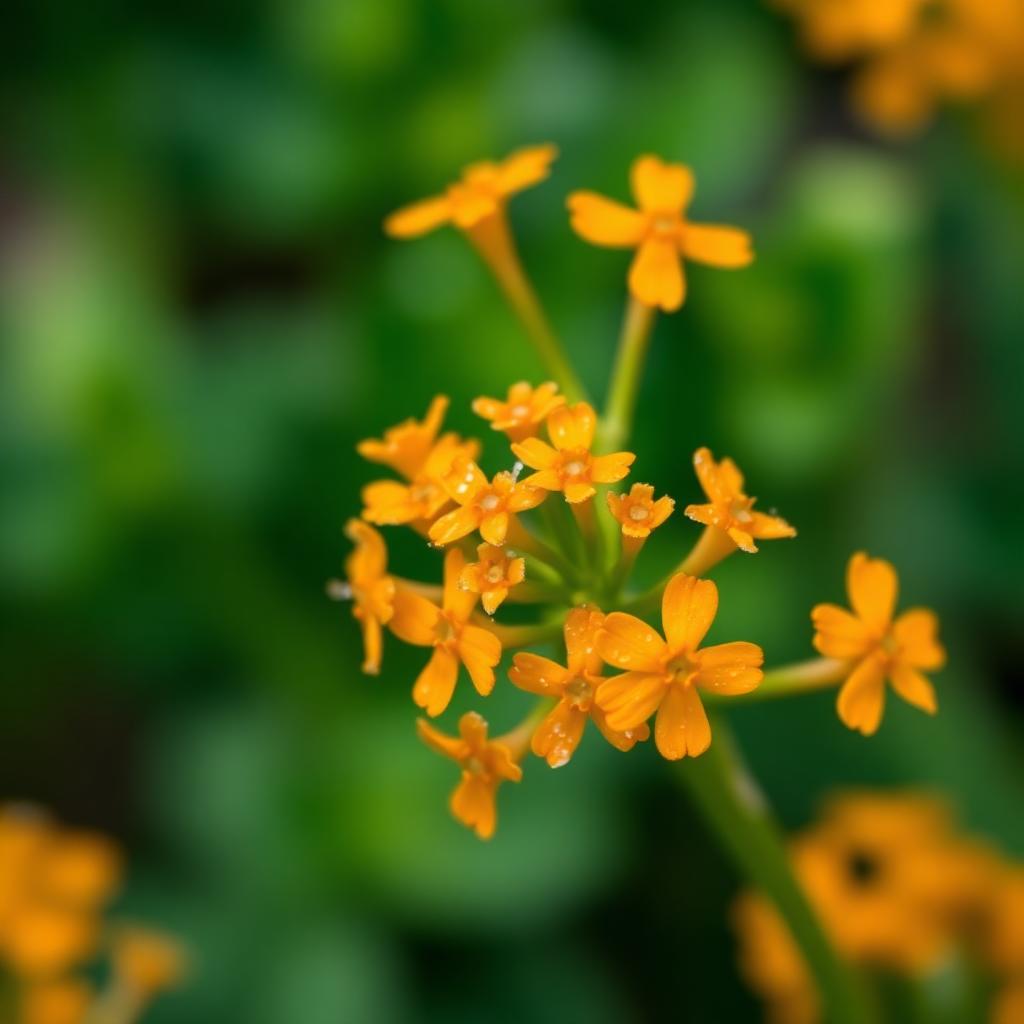
Most plants sold at grocery stores are the species Kalanchoe blossfeldiana, bred for dense clusters of red, pink, orange, yellow, or white blossoms. They are often given as a winter gift and then tossed when the flowers fade, which is a shame because a healthy plant will rebloom every year for a decade or longer.
Light and Placement
Place your Kalanchoe on an east or west facing windowsill where it can soak up several hours of gentle morning or afternoon light. South facing windows can work in winter, but a sheer curtain helps in summer when the afternoon sun gets fierce.
- Too little light leads to long stretched stems, pale leaves, and no flower buds.
- Too much harsh direct sun causes pale yellow patches or crispy brown leaf tips.
- Rotate the pot a quarter turn each week so the plant grows evenly instead of leaning toward the glass.
The Watering Rule That Keeps It Alive
The fastest way to kill a Kalanchoe is to water it on a schedule. Because the leaves already hold a water reserve, soggy soil quickly drowns the roots and triggers crown rot.
Use the soak and dry method. Push a finger two inches into the soil. If it feels even slightly damp, walk away. When the soil is fully dry, water until liquid runs out the drainage holes, then empty the saucer so the pot never sits in standing water. In a warm bright room that usually means watering every 10 to 14 days, less in winter.
Soil and the Right Pot
Standard potting mix holds far too much moisture for a succulent. Blend equal parts regular potting soil and coarse perlite, pumice, or builder sand. A cactus mix from the garden center works straight out of the bag.
Pick a terracotta or clay pot with a drainage hole. The porous walls breathe, helping the root ball dry between waterings. Plastic and glazed ceramic can work, but you have to water even less often.
Temperature, Humidity, and Feeding
Kalanchoes are happy in normal household temperatures between 15 and 27 degrees Celsius. They hate cold drafts and any frost will kill them outright, so keep them away from cold winter windows.
Average indoor humidity is fine. During the spring and summer growing season, feed once a month with a diluted balanced liquid fertilizer or a bloom booster formula. Stop fertilizing in late autumn so the plant can rest before its dark cycle.
How to Force a Second Bloom
Kalanchoes are photoperiodic, meaning flower buds form only when nights are long. Indoors that natural cue almost never happens, which is why so many gifted plants never rebloom.
About six weeks before you want flowers, start a strict dark cycle. Every evening, move the plant into a closet or cover it with a thick cardboard box for 14 hours. Each morning return it to its bright window for 10 hours of light. Skip even a single night and the clock resets.
Cut back on water during the cycle, stop fertilizing, and watch the stem tips. When you see pinhead sized buds, the trick worked. Return the plant to normal care and the buds will swell and open over the next few weeks.
Pruning, Propagation, and Pests
After flowering ends, snip the spent flower stalks back to the first set of healthy leaves. The plant will branch out into a fuller bushier shape over the next season.
Propagation is almost embarrassingly easy. Cut a healthy stem tip about 3 inches long, let the cut end callus over for two days, then push it into dry cactus mix. Wait a week before the first light watering and roots will form within a month.
Watch for mealybugs hiding in the leaf joints. A cotton swab dipped in isopropyl alcohol kills them on contact. Aphids on flower stems wash off with a strong stream of water.
The Takeaway: Common Problems at a Glance
- Mushy black stems mean overwatering. Unpot, trim rotted roots, and repot in dry mix.
- Wrinkled leaves mean underwatering. Soak the pot once and recovery is usually fast.
- No flowers after a year usually means the dark cycle was skipped.
- Leggy growth points to a window that is too dim. Move closer to the light.
Treat your Kalanchoe like the desert plant it really is, respect the long autumn nights, and one cheap grocery store gift will reward you with a vivid bloom show every winter for years.