Quick Answer
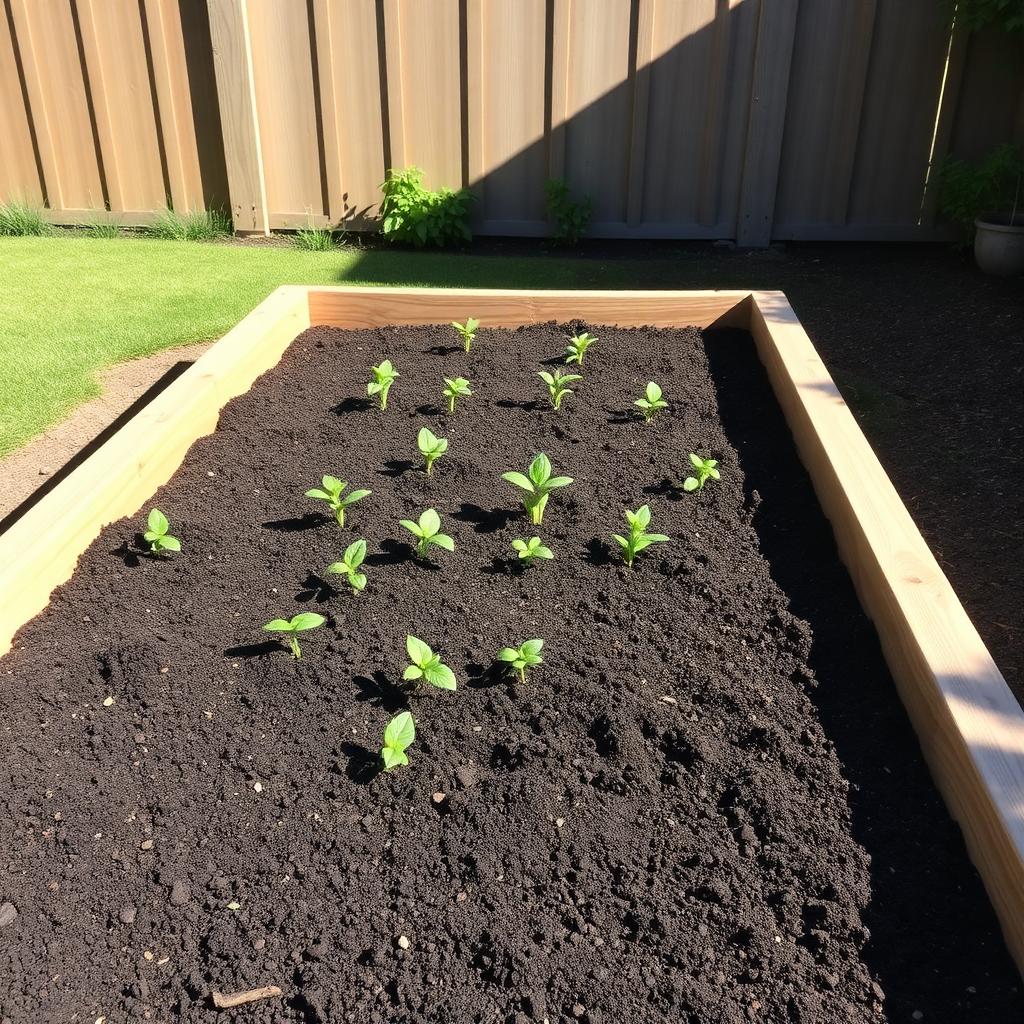
Cut four cedar 2x10 boards (two at 8 feet, two at 4 feet), screw the corners together with 3 inch exterior deck screws, set the frame on a level patch of soil over hardware cloth, and fill with a mix of 50 percent topsoil, 30 percent compost, and 20 percent peat moss or coco coir.
A 4 by 8 foot bed is the standard size because it lets you reach the centre from either side without stepping on the soil. Twelve inches deep is enough for almost every vegetable except long taproot crops like parsnips.
Total weekend cost: roughly 120 to 200 dollars depending on lumber prices and how much soil you buy in bulk versus bagged.
Why raised beds outperform ground gardens
- Better drainage. Elevated soil drains faster, which prevents root rot in wet seasons.
- Warmer soil in spring. Raised soil heats up two to three weeks earlier than ground soil, extending your growing season.
- Custom soil quality. You build the soil from scratch, bypassing whatever rocks or clay your yard hides.
- Fewer weeds. Hardware cloth on the bottom blocks burrowing pests, and a clean fill blocks most weed seeds for the first year.
- Easier on your back. A 12 inch lift saves a surprising amount of bending.
Pick the right wood
- Western red cedar: the standard choice. Naturally rot resistant, lasts 8 to 12 years untreated, and the price has stabilised in 2026 after the post pandemic spike.
- Redwood: even more rot resistant than cedar but pricier and harder to source outside the West Coast.
- Black locust or white oak: the longest lasting options at 15 to 25 years, but heavy and hard to find at big box stores.
- Avoid pressure treated pine. Modern treatments use copper compounds rather than the old arsenic based ones, but most growers still avoid them for food beds. If you do use it, line the inside with food safe plastic.
- Avoid railway sleepers. They are usually creosote treated and unsafe for vegetables.
Tools and materials shopping list
- Four cedar boards: 2 inches thick, 10 inches wide, two at 8 feet long, two at 4 feet long (or buy two 12 foot boards and cut them).
- One box of 3 inch exterior grade deck screws.
- One roll of 36 inch wide quarter inch galvanised hardware cloth (about 8 feet).
- Staple gun and half inch staples.
- Drill or impact driver with a Torx or square drive bit.
- Hand saw or circular saw.
- Tape measure, carpenter pencil, framing square, level.
- Bagged or bulk soil mix (about 30 cubic feet for a 4 by 8 by 12 inch bed).
Step by step assembly
- Cut the lumber. Two boards at 8 feet (long sides) and two at 4 feet (short ends). Sand any splintered edges.
- Pre drill the corner holes. Three pilot holes per corner prevent the cedar from splitting.
- Assemble the rectangle. Hold a short end inside the long sides at each corner. Drive three deck screws through the long board into the end grain of the short board. Repeat for all four corners.
- Square the frame. Measure both diagonals. If the measurements match within an eighth of an inch, the frame is square. If not, push the longer diagonal until they match.
- Pick a sunny site. Most vegetables need 6 to 8 hours of direct sun. Avoid the north side of buildings.
- Prep the ground. Remove sod with a spade, level the soil with a rake, and lay down hardware cloth across the footprint. Staple the cloth to the bottom edges of the frame.
- Set the frame. Drop it in place over the hardware cloth. Use a level on the top edges and add or remove soil under each corner until the bed sits flat.
The soil mix that actually grows vegetables
A frame full of cheap topsoil will compact and disappoint. Use a three part mix instead:
- 50 percent screened topsoil for body and mineral content.
- 30 percent organic compost for nutrients and microbial life. Use a mix of two or three sources (mushroom compost, leaf compost, composted manure) for diversity.
- 20 percent peat moss or coco coir for moisture retention and aeration.
For a 4 by 8 by 12 inch bed you need about 32 cubic feet of total mix. Bagged is convenient; bulk delivery is cheaper if your driveway can take a small load.
Fill and first season planting
- Pour the mix in lifts of about 4 inches and rake level after each lift.
- Water the bed thoroughly and let it settle for 24 to 48 hours.
- Top up any low spots.
- Plant your first crops. Lettuce, spinach, radishes, carrots, beans, and bush tomatoes all thrive in a fresh bed.
- Mulch the surface with straw or shredded leaves after seedlings emerge. Mulch retains moisture and suppresses weed seeds.
Maintenance through the seasons
- Spring: top dress with one to two inches of fresh compost before planting.
- Summer: water deeply once or twice a week rather than light daily sprinkles.
- Autumn: remove spent plants, sow a cover crop like winter rye, or cover the bed with cardboard plus mulch.
- Year three onward: rebuild the soil with another inch of compost each spring and check the corner screws for any loosening.
FAQs
Do I need to remove the grass underneath?
Not always. For thin lawn, you can lay cardboard over the grass before adding hardware cloth and soil; the grass dies, decomposes, and feeds the bed. For thick Bermuda or quack grass, dig it out, because it will push through cardboard.
How tall should the bed be for back friendly gardening?
24 to 30 inches is the sweet spot for adults who want to stand or sit on a stool while planting. Anything above 18 inches dramatically reduces bending.
Can I line the inside with plastic?
Only the sides, and only with a food safe pond liner if you have used pressure treated wood. Do not line the bottom; drainage is one of the main reasons raised beds work.
What about deer and rabbits?
Hardware cloth on the bottom stops voles and moles but not rabbits or deer. For browsing animals, add a removable wire mesh hoop cover or install a 4 foot perimeter fence.
The takeaway
One weekend, four cedar boards, a roll of hardware cloth, and a smart soil mix give you a raised bed that grows clean food for a decade. Build square, fill rich, mulch thick, and the bed mostly takes care of itself after year one.