Quick Answer
No, most off-roaders do not need beadlock wheels. Modern LT tires stay seated on standard wheels down to about 12 psi, which covers 95 percent of trail conditions. Beadlocks earn their price only if I regularly run below 12 psi in rock crawling, high-speed desert racing, or serious dune work.
They also come with real trade-offs: heavy weight, tedious re-torque routines, and off-road-only DOT status in most cases.
How a standard wheel holds a tire
On a standard wheel the tire is held to the rim by internal air pressure alone. The pneumatic force pushes the tire's rubber bead outward against the wheel's rim flange, sealing the air inside. As pressure drops, that outward force weakens.
Under sharp lateral load (a hard turn in sand, wedging a rock) at low pressure, the bead can unseat and the tire pops off the wheel. All the air escapes instantly.
How a beadlock wheel is different
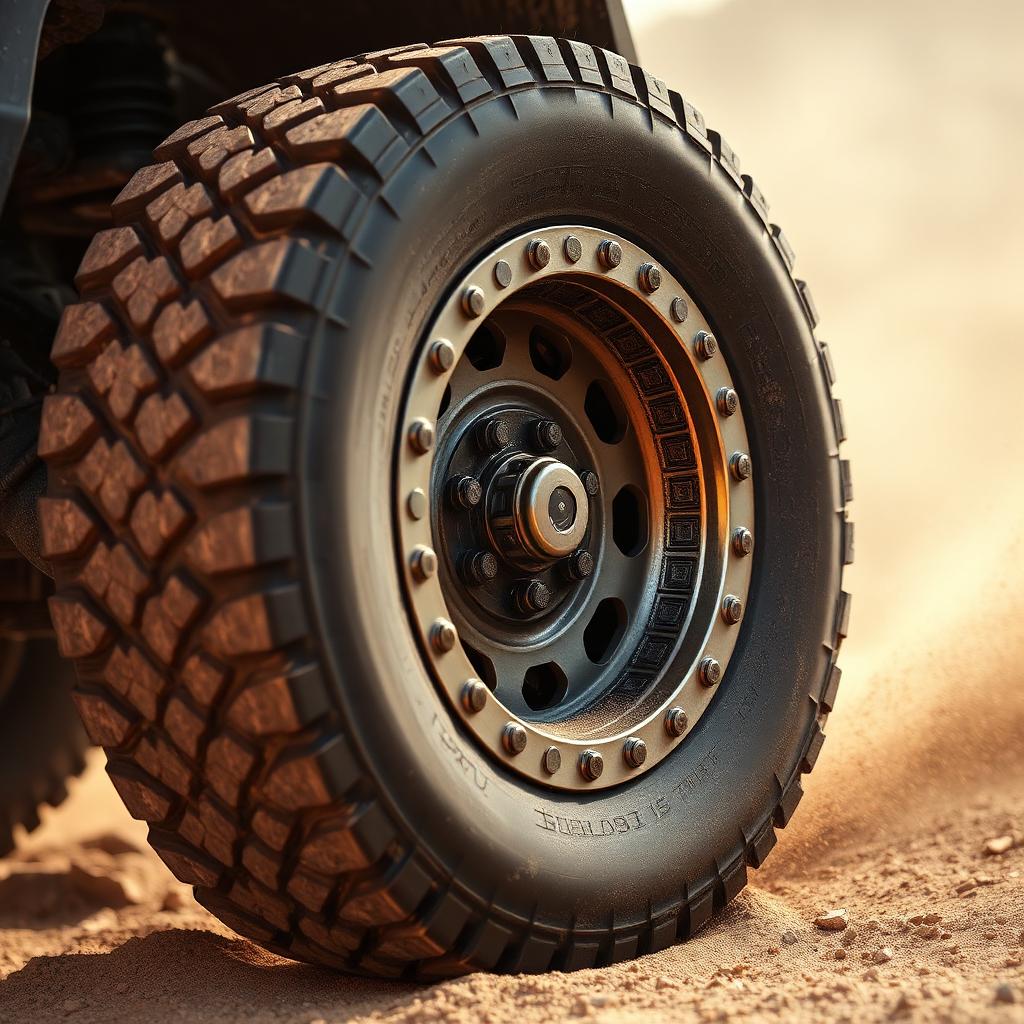
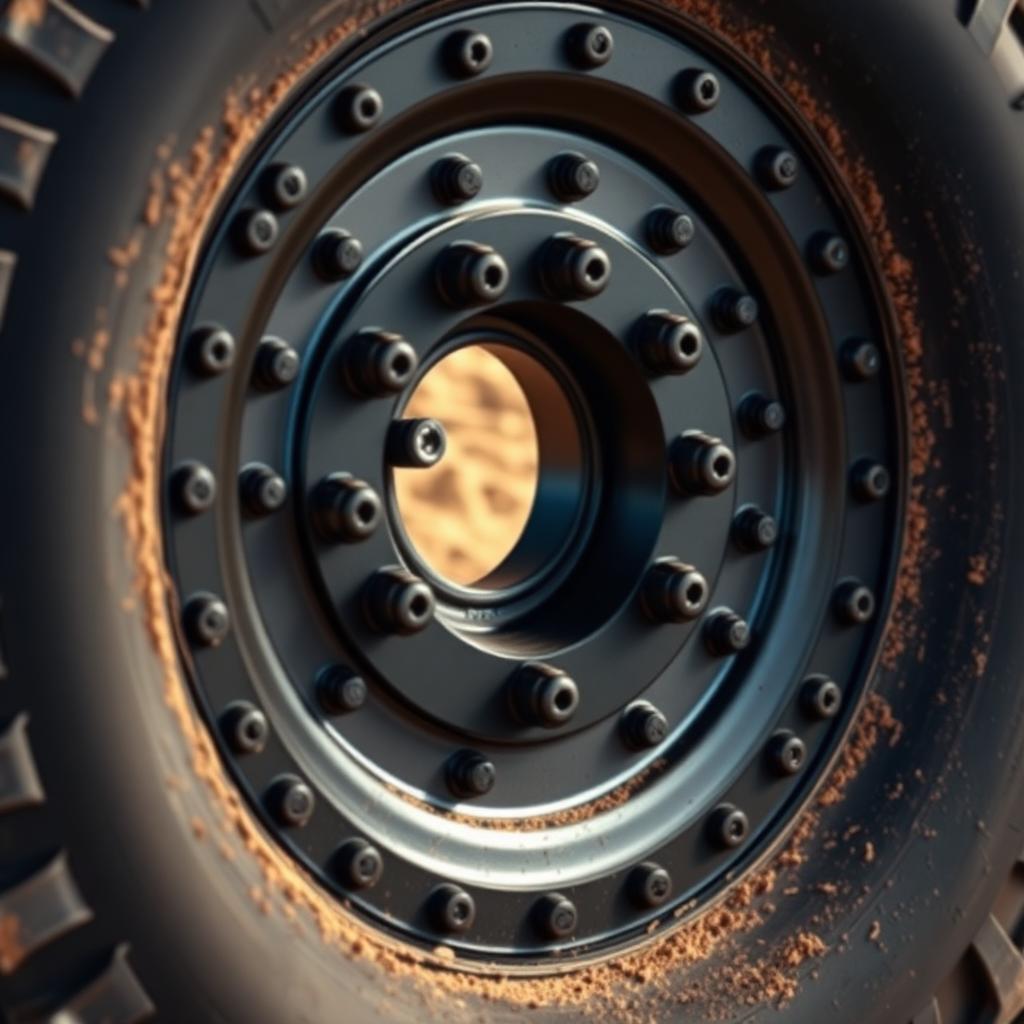
A beadlock places the tire bead on the outside face of the wheel and clamps it there with a heavy steel or aluminum ring secured by 24 to 36 high-tensile bolts. Because the tire is mechanically fixed to the wheel, internal air pressure no longer matters for bead retention. I can run 5 psi (or even 0 psi to complete a trail) with zero risk of the tire coming off.
When beadlocks are actually worth it
Rock crawling below 10 psi
Serious rock crawlers routinely run 5 to 8 psi to wrap the tread around boulders for mechanical grip. Standard wheels cannot hold a bead here.
High-speed desert racing (Baja style)
Fast desert lateral loads at low pressures rip regular tires off wheels. Every Trophy Truck, Class 1 buggy, and Ultra4 rig runs beadlocks.
UTVs and side-by-sides at aggressive pressures
Lightweight vehicles at 8 to 10 psi in dunes and rock pull their tires around hard. Factory or aftermarket beadlocks are common on RZRs, Wildcats, and Mavericks.
When beadlocks are overkill
| Trail scenario | Typical pressure | Beadlocks needed? |
|---|---|---|
| Weekend fire roads and overlanding | 18 to 25 psi | No |
| Moderate rock and dirt trails | 15 to 18 psi | No |
| Deep sand and snow (occasional) | 10 to 12 psi | No |
| Hard rock crawling | 5 to 8 psi | Yes |
| Desert racing / competition | varies, often 8 psi | Yes |
The real cost of beadlocks
Weight
A typical beadlock wheel weighs 6 to 12 pounds more than a standard equivalent. That is unsprung, rotating mass, which hurts acceleration, braking, and fuel economy.
Maintenance
Every beadlock ring bolt has to be torqued in a cross-pattern sequence at multiple stages (usually 20 lb-ft, then 40 lb-ft) using a real torque wrench. Trail vibration walks them loose over time, so they need re-torqueing every few thousand miles. It is a two-hour job each time.
Cost
Real beadlocks run $300 to $500 per wheel, versus 50 to $250 for a standard steel or aluminum wheel. Fake beadlock look-alike wheels (with a decorative outer ring for looks only) cost less but do nothing mechanically.
DOT status
Most true beadlocks are stamped "for off-road use only" and are not DOT compliant. A loose ring bolt at 70 mph highway speed can cause a sudden tire failure, which is why many states prohibit them on public roads. Some newer 8-lug and hybrid designs are DOT-approved, but they are the exception.
Common questions about beadlock wheels
Are inner beadlocks different?
Yes. Some overlanders run inner beadlocks (the clamp is on the inboard side of the wheel), which stay street-legal because the ring is hidden. They cost more and require professional installation.
What is a "double beadlock"?
A wheel with clamping rings on both the inner and outer bead. Used almost exclusively in Ultra4 racing and expedition trucks.
Can I convert my existing wheels to beadlock?
Aftermarket weld-on kits exist but I do not recommend them. The heat from welding weakens the wheel structure. Buy purpose-built beadlocks instead.
Do beadlocks affect balancing?
Yes. The clamping ring is uneven mass, so beadlocks are harder to balance for highway use. Another reason they are best kept off pavement.
Do beadlock wheels void my truck warranty?
Not on the drivetrain, but they can complicate a wheel-related warranty claim if the manufacturer determines the beadlock changed the load path. Most factory Rubicon and Bronco Sasquatch owners run them without issue.
Are beadlocks legal to drive on the highway?
Most true beadlocks are DOT off-road only and technically not street-legal in many states. Enforcement is rare, but insurance can deny a claim after an accident on a wheel not certified for road use. Check your state law before daily-driving beadlocks.
Bottom line
Beadlock wheels solve one specific problem: keeping the tire on the rim at single-digit pressures. If I do not routinely run below 12 psi, I do not need them. Standard wheels are lighter, cheaper, DOT-legal, and maintenance-free. Save the beadlock money for tires, sliders, or lockers, and only buy real beadlocks if the build is a dedicated rock or race rig.