Quick Answer
Yes, most established flooring companies will pull a toilet, lay the new floor under it, and reset the toilet with a new wax ring for roughly 75 to 200 USD per toilet in the United States. They will charge the same to remove and reinstall pedestal sinks. What they almost never do is warranty the plumbing connection: if the supply line or flange leaks two weeks later, that is on you or your plumber.
Big-box installers (Lowe's, Home Depot, Empire) usually subcontract the plumbing work and add a flat 95 to 145 USD per fixture for it.
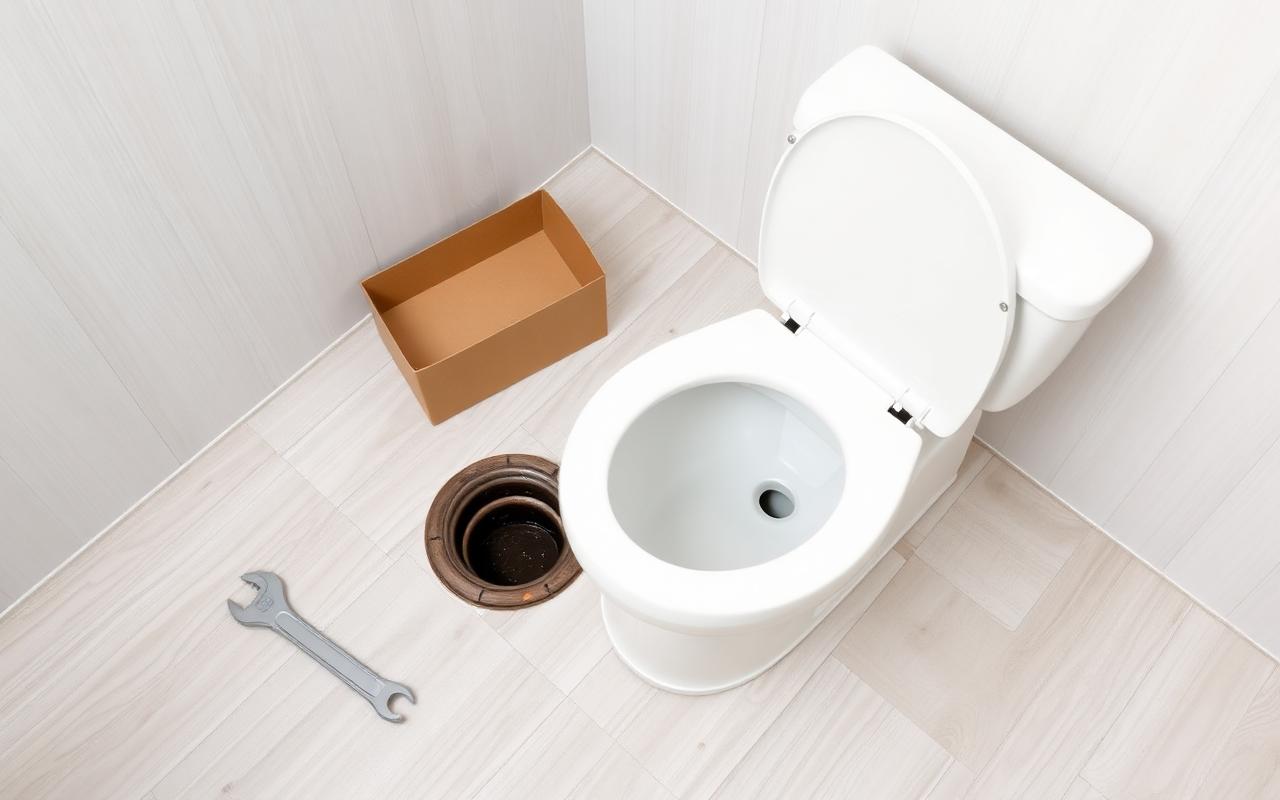
Why You Should Have Them Pull It
- Cleaner look: the flooring runs continuously under the toilet, with no visible seam.
- Watertight: a new floor under the base means any toilet leak does not seep under the planks first.
- Easier future repairs: next time the wax ring fails, you can pull the toilet without cutting the floor.
- Resale value: appraisers and inspectors mark down cut-around installs.
What They Will Not Do
- Replace the toilet itself. If yours is cracked, they reset what is there.
- Warranty plumbing leaks. A licensed plumber owns that responsibility.
- Move the flange. Relocating a toilet drain is a plumber job, often 400 to 1,200 USD.
- Dispose of an old toilet. Some will for an extra 25 to 50 USD.
How to Get the Best Price
Ask the flooring contractor to bundle toilet pull and reset into the install quote rather than billing it separately. Most will, and the line item disappears into the labour charge. If they refuse, hire a plumber to pull the toilet the morning of the install for 75 to 125 USD and reset it that evening for the same.
Frequently Asked Questions
Does the answer change for tenants vs owners?
Yes. Tenants almost never see the same financing, removal, or warranty terms an owner gets. Most retailers will only sell to whoever is on title or has written landlord permission.
Is the price quoted in pounds the same in dollars?
No. UK and US flooring markets price differently: the UK quotes per square metre with VAT, the US quotes per square foot pre-tax. Multiply UK per metre by roughly 0.093 to compare per square foot.
Will the answer change in five years?
Probably. Tax thresholds, retailer line-ups, and warranty terms shift every year. Always confirm with the source before signing a contract.
Does the same apply for commercial buildings?
Mostly no. Commercial flooring carries different fire ratings, slip ratings, and depreciation treatment than residential. Anything you read here assumes a typical owner-occupied home unless stated otherwise.
Pro Tips
- Get the quote in writing. Verbal estimates from any retailer or contractor are worth nothing when disputes happen.
- Keep your receipts and lot numbers for at least the length of the warranty. Most claims are denied because the buyer cannot prove what was bought.
- Read the financing small print. Most "interest free" offers carry deferred interest, which means full retroactive interest if you miss the payoff date by one day.
- Ask about disposal fees up front. Removal of the old floor can add 1 to 3 dollars per square foot if not bundled.
Bottom Line
The right answer here depends on your home, your budget, and your local market. Use the numbers as a starting point, get at least two written quotes, and never sign on a contractor's clipboard at the door without 24 hours to read the contract.
When You Should Pull the Toilet Yourself
If you are a confident DIYer, pulling a toilet takes 20 minutes: turn off the supply, flush, sponge the tank, disconnect the supply line, unscrew the two floor bolts, rock and lift. Save 75 to 200 USD and the flooring crew can lay the floor under the open flange.
What Happens If You Cut Around the Toilet Instead
Cutting flooring around the toilet base looks cheap, traps grime in the cut line, and means any future toilet leak immediately seeps under the planks. Real estate appraisers and home inspectors call it out as a workmanship deduction. Always pay the small extra to pull and reset.
How to Compare Quotes Without Getting Burned
Get at least three written quotes broken out line by line: material per square foot, labour per square foot, removal of old floor, subfloor prep, baseboard handling, toilet pull, disposal fees, and warranty terms. A "total job" number from a single contractor tells you nothing about where the money is going, and you cannot compare it to anyone else.
Walk every quote against the others using the same measurements. Use the contractor's own square footage, not a guess, because room squareness varies. If one contractor's square footage is 15 percent higher than the others, ask why before signing.
Questions Most Homeowners Forget to Ask
Who is on the crew?
The salesperson rarely lays the floor. Ask for the lead installer's name and years of experience.
Is the install warranty written and transferable?
Most chain installers give a one-year labour warranty; specialist independents often give five.
What happens if my baseboards crack during pull?
Get the replacement policy in the contract, not in conversation.
How is moisture in the subfloor tested?
Concrete should be tested with a calcium chloride or relative humidity probe, not eyeballed.
What is the lead time on the planks I picked?
Special-order colours often run 4 to 8 weeks.