Quick Answer
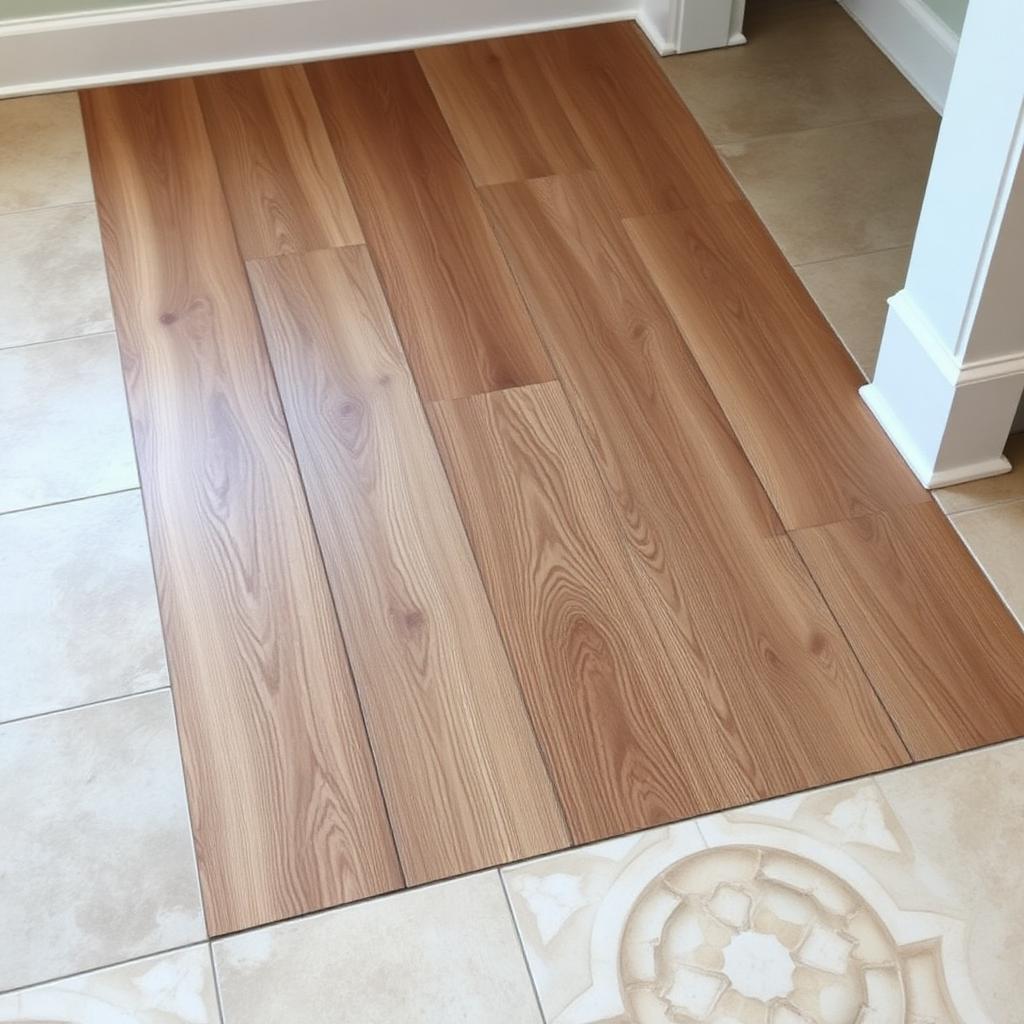
Yes. Laminate is a floating floor and can be installed over almost any hard, flat, dry surface, including ceramic and porcelain tile. The two non-negotiable conditions are flatness (no more than 3/16 inch variance over 10 feet) and integrity (no loose, hollow or cracked tiles).
You will lose roughly 3/8 to 1/2 inch of floor height once you stack underlayment plus 8 mm to 12 mm laminate, which usually means trimming doors and swapping transition strips.
Prep Checklist
- Tap every tile. A hollow sound means a loose tile. Re-bond or remove and patch.
- Fill grout lines wider than 1/8 inch. Use a self-levelling embossing leveller or floor patch.
- Check flatness. A 10-foot straightedge should rock no more than 3/16 inch.
- Confirm dry. Calcium chloride or relative humidity test on a slab installation.
- Vacuum thoroughly. A single chunk of grit will telegraph through.
Underlayment Matters Here
Use a 2 mm to 3 mm foam underlayment with a built-in vapour barrier if the tile is over a slab. The vapour barrier protects the laminate HDF core from any moisture rising through the tile and grout. Some laminate ships with attached pad, in which case lay a separate 6 mil poly vapour barrier under it.
Door and Transition Issues
You will gain roughly 7/16 inch of floor height with 2 mm pad plus 10 mm laminate. Interior doors usually need trimming with an undercut saw. Exterior doors and appliances (refrigerator, dishwasher) need careful checking; appliances may no longer slide out for service if the floor is too tall.
When Not to Do It
- Bathrooms with showers or tubs (water risk).
- Tile that is cracked, loose or shifting (fix the substrate first).
- Rooms with floor drains or sloped floors.
- Tile installed over a wood subfloor that is bouncy or out of plane.
Real-World Notes
Field experience matters more than spec sheets here. Installers who do this work week-in week-out will tell you the same things: the substrate is everything, the acclimation step is non-optional, and a single missed prep detail will show up six months later when the seasons change.
Climate also plays a bigger role than most homeowners expect. A floor that performs perfectly in coastal Florida might cup in dry Denver winters. Match the product to the climate zone, and your warranty terms to your actual indoor humidity range.
Insurance and resale considerations are worth a mention too. Document the install with photos, keep the receipts, and save the lot numbers. Future buyers ask, and future repairs need them. Choosing to put laminate flooring over tile is a long-term decision, treat it like one.
One last note from the trade: cheap is rarely cheap. The lowest-priced product on the shelf usually has the thinnest wear layer, the loosest click, and the worst warranty terms. A mid-priced product from a known brand will outlast the budget option by 50 percent or more on average, which works out cheaper per year of service.
Frequently Asked Questions
Does the answer change for rental properties?
The general guidance holds, but landlords usually optimise for durability over aesthetics, so they lean to the cheapest waterproof option that will survive turnover after turnover.
What about radiant heat?
Always confirm your flooring choice is rated for radiant heat (most rigid-core LVP is, solid hardwood usually is not). Manufacturers publish a maximum subfloor temperature, typically 82°F (28°C).
How long should I let the materials sit before installing?
48 hours in the room of installation is the safe default for laminate and LVP. Engineered hardwood needs longer, often 7 to 14 days, until its moisture content is within 2 to 4 percent of the subfloor.
Does the same answer apply in the UK?
Mostly yes. UK retailers like B&Q, Wickes and Carpetright sell the same product categories with similar specs, though pricing and brand names differ.
Pro Tips From the Trade
- Buy 10 percent extra. You will cut waste at every wall and inside every doorway. Pros budget 10 percent overage on rectangular rooms and 15 percent on rooms with diagonals or lots of cutouts.
- Keep a few planks aside. Future repairs need a colour and lot match. Stash at least one full carton in the garage or basement, ideally from the same production run.
- Photograph the install. Snap pictures of the subfloor, vapour barrier, expansion gaps, and any transitions before the baseboards go on. Warranty claims often hinge on documentation.
- Save the receipts and lot numbers. Almost every flooring warranty requires proof of purchase and the production lot to be honoured.
Bottom Line
Flooring decisions sit at the intersection of budget, lifestyle and resale value. Get the prep right (flat, dry, clean subfloor; correct underlayment; proper acclimation) and even a mid-priced product will look and perform like a premium one. Cut corners on prep and even the most expensive plank will telegraph every flaw underneath.