Quick Answer
Yes, true wild strawberries (Fragaria vesca) are completely safe and considered a gourmet treat. They are tiny but pack an intensely sweet, floral flavor stronger than any supermarket strawberry.
The catch is the lookalike. Mock strawberry (Potentilla indica) shares the leaf shape and red berry but produces yellow flowers instead of white, points fruit upward, and tastes like wet cardboard. It is not toxic, just disappointing.
Identifying a True Wild Strawberry
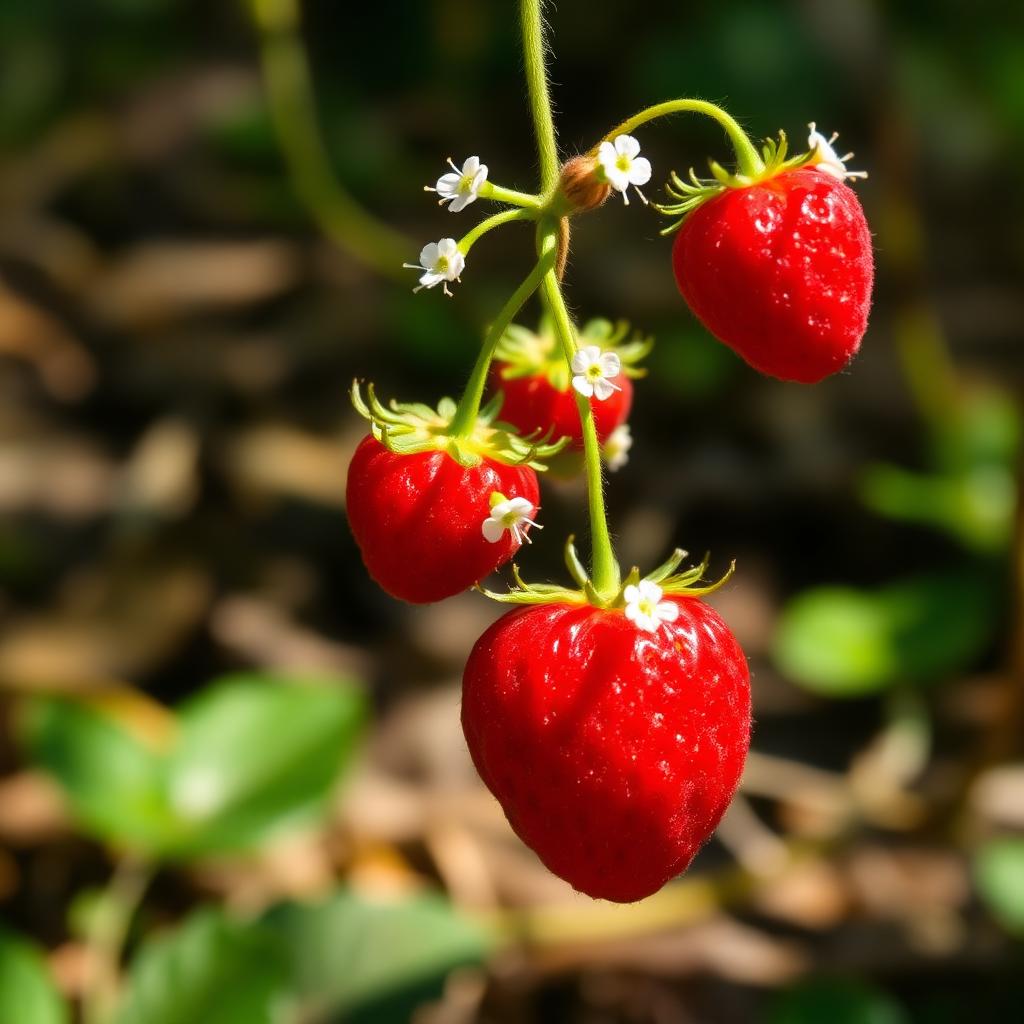
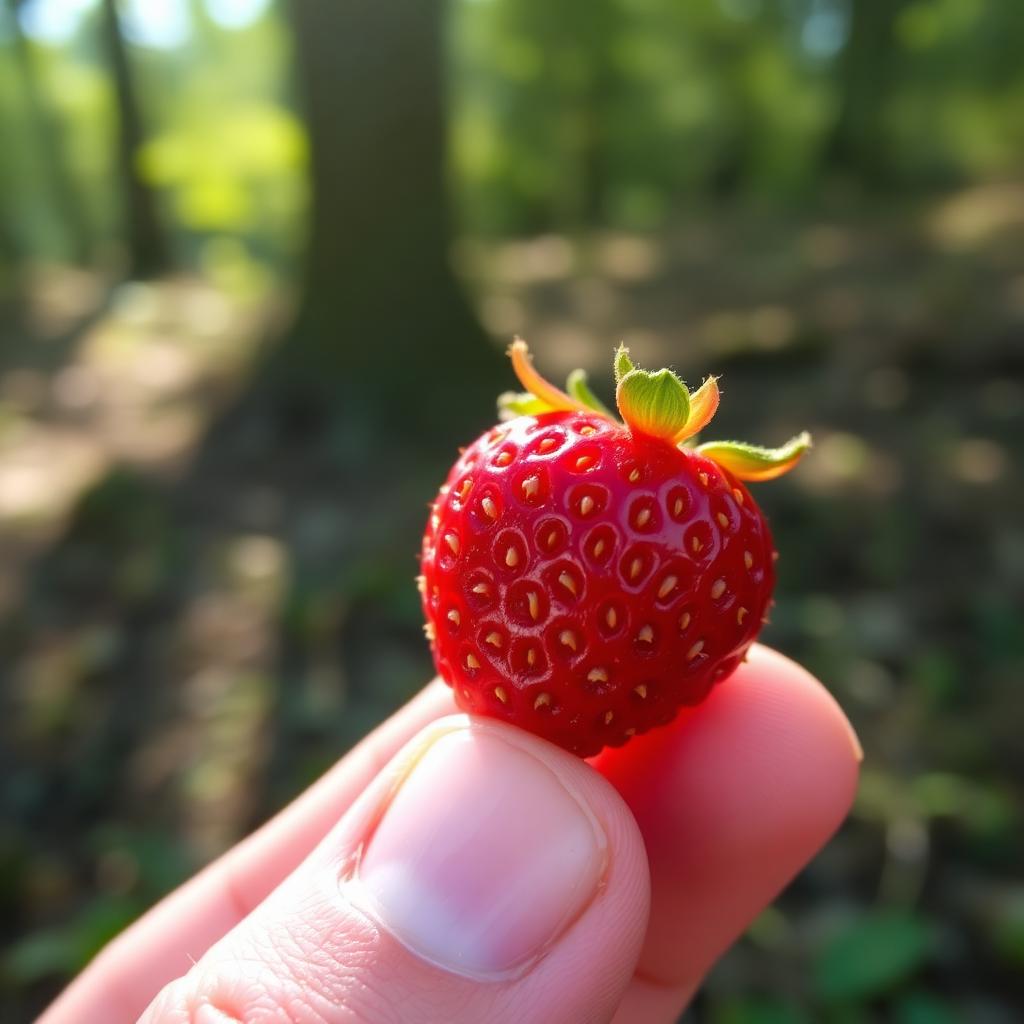
Three features confirm you have found the real thing. The flower has five bright white petals with a yellow center. The fruit hangs downward on a thin flexible stem and looks like a miniature version of the store bought berry. The surface is covered in tiny seeds that sit in shallow pits on the flesh.
The leaves grow in groups of three with toothed edges and a slightly silvery underside. Plants spread along the ground by sending out runners that root and create new clones, which is why you usually find them in dense patches.
Spotting the Mock Strawberry
Mock strawberry, also called Indian strawberry or false strawberry, looks similar at a glance. Flip a few details and the differences jump out.
- Flower color: Bright yellow on mock, pure white on true wild.
- Berry position: Mock berries point straight up at the sky. True wild berries hang down.
- Surface texture: Mock berries have raised red bumps that look almost like a tiny raspberry. True wild berries have pitted seeds.
- Flavor: Mock is dry, white inside, and tasteless. True wild explodes with sugar and aromatics.
Mock strawberry is not poisonous. If a child or pet nibbles one there is no medical danger, but you would not want to eat a handful.
Where to Find Real Wild Strawberries
Wild strawberries thrive on the sunny edges of forests, along walking paths, in old meadows, and in many North American and European lawns. They prefer well drained soil and a few hours of sun, so check south facing slopes and forest clearings.
Peak ripening runs from late spring through early summer depending on your climate. The fruit ripens fast and birds love them, so check known patches every two or three days during the season.
Safe Foraging Rules
- Never eat any wild plant unless you are 100 percent certain of identification. Use a regional field guide or a vetted plant identification app and confirm at least three features.
- Avoid roadsides, lawns sprayed with weed killer, and anywhere dogs walk.
- Pick only the ripe berries. Green or white ones taste sour and starchy.
- Rinse berries gently in cool water before eating to remove dust and small insects.
How to Use Your Harvest
Wild strawberries shine eaten fresh on the spot. The flavor fades within a day of picking, so they rarely make it to a recipe.
If you collect enough for the kitchen, scatter them over yogurt, mix into a small batch of vanilla ice cream, or stir gently into whipped cream. Classic French mountain kitchens preserve them as confiture de fraises des bois, a small jar of sugary jam that captures the perfume for winter.
Growing Your Own
You do not have to hike for wild strawberries. Seed packets and starter plants of Fragaria vesca are widely sold. They make a beautiful edible ground cover for shady borders and self seed year after year.
Plant in part shade, water during dry spells, and harvest as the berries deepen to a true red. A single patch in a raised bed corner can yield enough berries for a daily handful through early summer.
Final Thought
Wild strawberries are one of the great free treats hiding in plain sight. Learn the white flower rule, leave the yellow flowered impostors for the birds, and you will discover why food writers have praised this tiny fruit for centuries.