Quick Answer
Yes, you can do some electrical work yourself without a permit. The line is narrow. Replacing existing devices like-for-like (switch for switch, outlet for outlet, fixture for fixture) is permit-exempt almost everywhere in the U.S. Anything that adds a circuit, modifies a circuit, or touches the panel requires a permit, even if a homeowner does the work.
The penalty for skipping a required permit is not a fine, it is voided homeowner's insurance for any related fire and a forced retroactive permit (typically at 2x to 3x normal cost) when you sell the house.
Permit-Exempt Electrical Work
Across most U.S. jurisdictions following the IRC (R105.2 exemptions for electrical) and NEC 2023:
- Replacing a faulty light fixture with a similar one on the existing circuit.
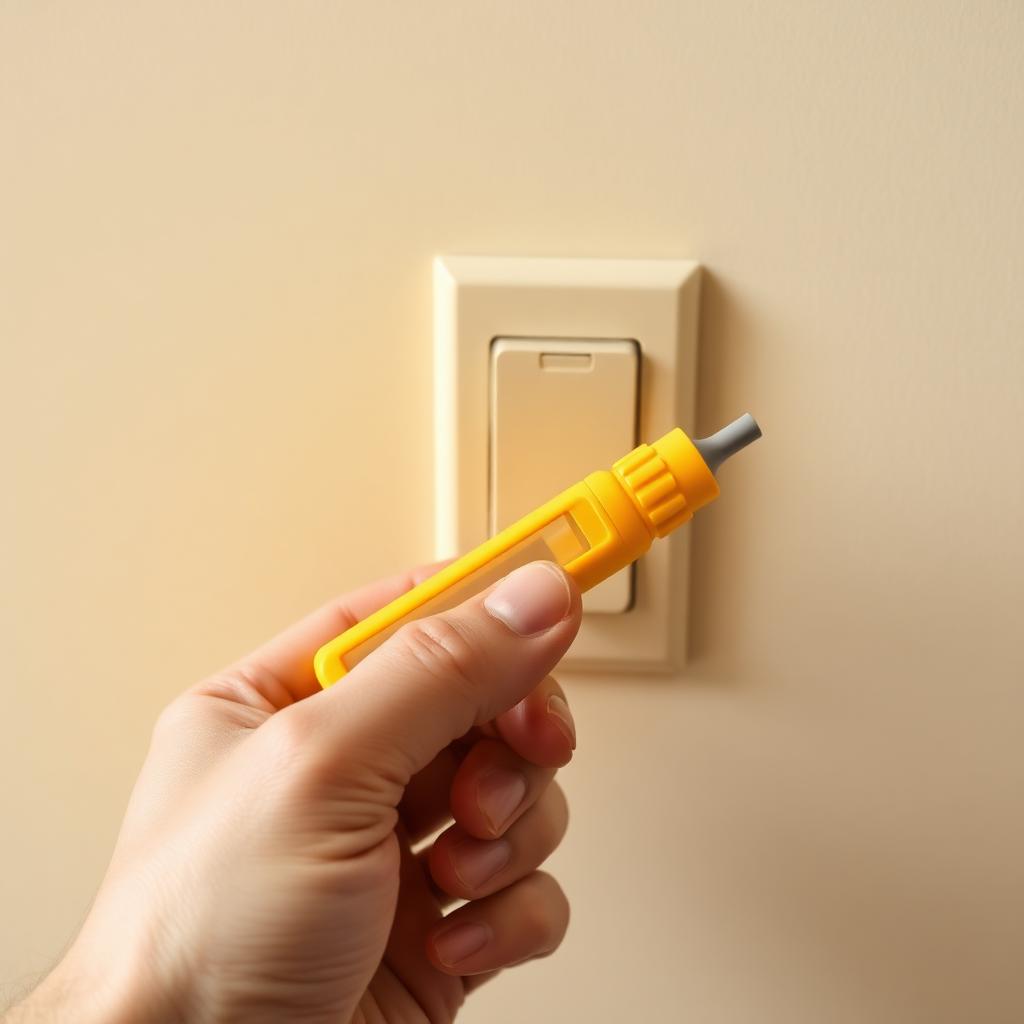
- Replacing a faulty switch or receptacle with a similar one.
- Replacing a thermostat (low voltage anyway).
- Replacing a faulty appliance cord with a like cord.
- Installing or replacing low voltage wiring under 50 V (doorbell, thermostat, smart home sensors).
- Replacing a ceiling fan with a similar fan on a circuit that already supports one.
Permit-Required Electrical Work (Even DIY)
- Adding any new outlet, switch or fixture on a new circuit run.
- Extending an existing circuit to add additional outlets.
- Replacing or upgrading the main panel.
- Adding a subpanel.
- Service entrance work (between meter and main).
- Installing an EV charger circuit.
- Pool, hot tub or spa wiring.
- Generator interlock or transfer switch.
- Solar interconnection.
What the Inspector Checks
The 2023 NEC inspection points the inspector looks at, in order:
- Correct wire size for the breaker (14 gauge for 15 A, 12 gauge for 20 A, 10 gauge for 30 A).
- AFCI protection on habitable-room circuits.
- GFCI protection in wet areas (kitchens, baths, garages, outdoors, basements, laundry, dishwasher, fridge).
- Tamper-resistant receptacles throughout dwellings.
- Box fill calculations (each conductor, device, clamp counts).
- Correct cable supports and securing within 12 inches of box.
- Grounding and bonding at every metal box.
- Working clearance at the panel (36 inches deep, 30 inches wide, 78 inches tall).
State Variations
- California: owner-builder must occupy the home for one year after work. Otherwise classified as "for sale" and only a licensed contractor may perform the work.
- Illinois: many municipalities require a licensed electrician for any electrical permit. Homeowner-pulled permits are not always accepted.
- New York City: all electrical work requires a licensed master electrician. No owner-builder allowance for electrical.
- Texas: homeowners may pull a permit and do the work on their primary residence outside the panel, panel work requires a licensed electrician in most cities.
- Wisconsin: homeowner may do work on their own primary residence with a state-issued homeowner electrical license.
How to Pull an Owner-Builder Electrical Permit
- Visit your local building department in person or via their online portal.
- Provide a one-page scope of work, panel schedule, and load calculation if adding a circuit larger than 20 A.
- Sign an owner-builder declaration affirming that you will live in the property and not sell within a year (timeframe varies).
- Pay the permit fee (typically 50 to 250 dollars).
- Post the job card visibly during work.
- Call for inspection at rough-in (wiring exposed) and final (covers on, breakers labeled, devices in).
The Insurance Reality
Standard HO-3 policies include an exclusion for "loss caused by faulty workmanship by an insured." Insurance investigators routinely look at the building permit record after an electrical fire. No permit on file for unpermitted work = denied claim. The savings from skipping a 150 dollar permit are not worth a denied 300,000 dollar fire claim.
Bottom Line
Like-for-like swaps are fair game with no permit in most jurisdictions. Anything that adds, extends, modifies or touches the panel needs a permit, full stop. Owner-builder permits are widely available, cheap, and they unlock the inspection that protects both your safety and your insurance. Pull the permit.
Common Questions About Doing Electrical Work Myself Without a Permit
Will my insurance ask for permit records after a fire?
Yes, almost always. Investigators routinely subpoena building department records when electrical fires happen. If you wanted to do electrical work myself without a permit and a fire traces back to it, the claim is usually denied.
Can I do the work and have an electrician pull the permit?
Some jurisdictions allow this with the electrician of record as supervising party. Many do not. Ask your electrician first; they take on liability when their license is on the permit.
How do I find my local rules?
Search "[your city] residential building permits" or "[your county] owner-builder electrical". Most jurisdictions publish a one-page chart of exempt vs. permit-required projects.
Are GFCI and AFCI requirements really enforced?
Yes. Inspectors check device labels at final inspection. Missing AFCI in a bedroom is a fail.
What happens at the inspection?
The inspector arrives with a clipboard, opens devices to verify wire size, checks panel labels, tests GFCIs, looks at box fill, verifies grounding. Most inspections take 15 to 30 minutes.
What is the worst thing a DIY electrician can do?
Backstab connections instead of using terminal screws (vibrate loose, arc, start fires), wrong wire size for the breaker (the wire is the fuse if the breaker is oversized), missing ground, splices outside a junction box. Any one of these is enough for a fail.
Can I get a retroactive permit if I already did the work?
Yes. You will likely have to open walls so the inspector can verify wiring, then close them up after sign-off. Plan for 2 to 3 times the normal permit cost.