Quick Answer
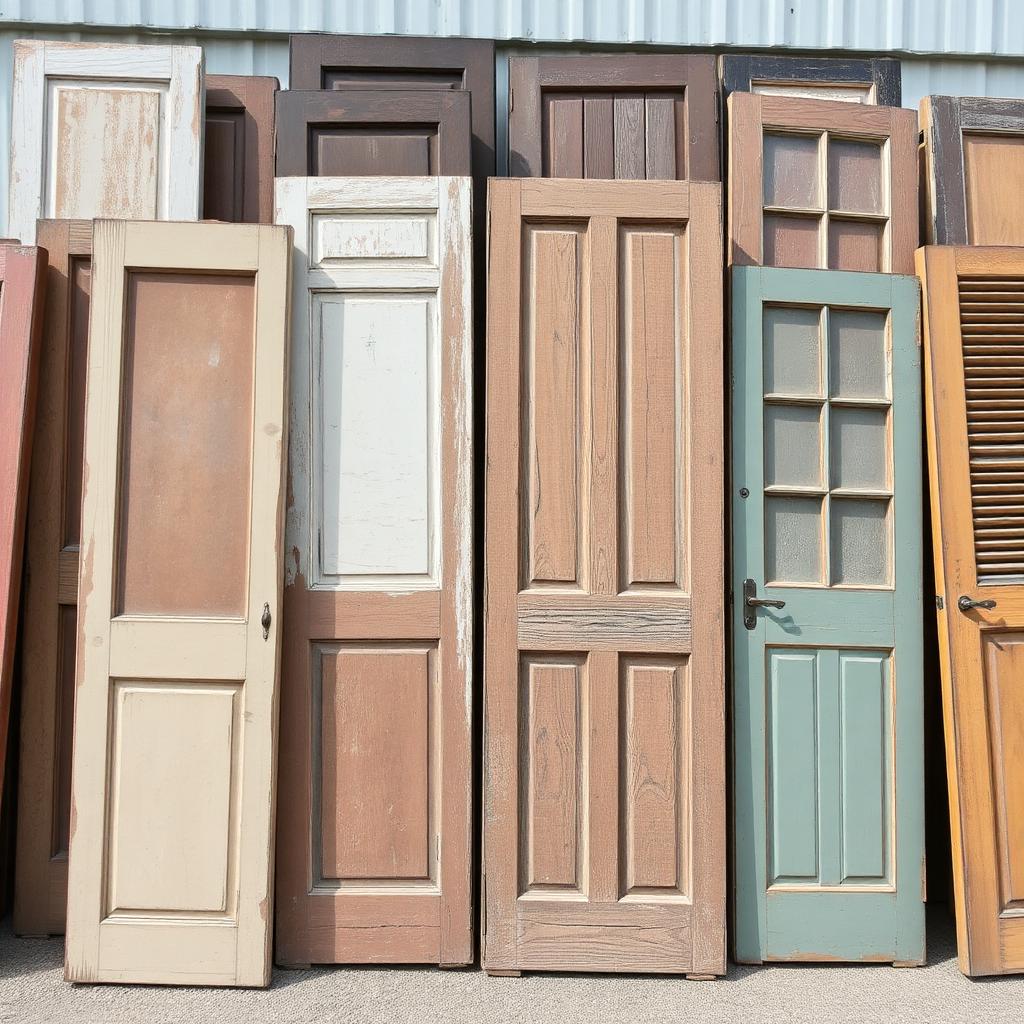
Yes, doors can be recycled, donated, or reused. Habitat for Humanity ReStores accept doors in good condition. Architectural salvage yards buy or accept vintage doors. Steel and aluminum doors are accepted by any scrap metal yard. Wood doors can be repurposed into tables, headboards, or shelving.
Hollow-core interior doors are the hardest to recycle because their cardboard cores have low value. Even those can be reused as workshop work-surfaces or chopped up for the wood frame.
Donating to Habitat ReStores
Habitat for Humanity ReStores accept doors in working condition. Most stores require the door to be intact, with no broken glass, no major rot, and ideally with hinges and hardware attached. Donations are tax-deductible and many ReStores offer free pickup for larger items.
Architectural salvage
Vintage doors (pre-1950, especially solid hardwood, paneled, or with leaded glass) have real resale value. Architectural salvage yards either buy them outright ($20 to $200+) or sell them on consignment. Look up "architectural salvage near me" for local options.
Scrap metal yards
Steel and aluminum doors are accepted by any scrap metal yard. Strip off the hardware and any wood components first. Expect $5 to $20 in scrap value for a typical residential steel door at current 2026 scrap prices.
DIY reuse projects
Old doors are popular DIY materials: barn-door slabs become headboards, paneled doors become farmhouse tables, hollow-core slabs become workshop work-tops, sliding glass doors become greenhouses or chicken coop walls. Pinterest and YouTube have hundreds of project ideas for repurposing doors.
Construction and demolition recycling
Many municipalities run construction and demolition (C&D) recycling facilities that accept doors for sorting and material recovery. Wood is chipped for mulch, metal is sent to scrap, hardware is salvaged. C&D recyclers usually charge a per-ton fee but it is cheaper than landfill.
Hollow-core doors
Hollow-core doors are the trickiest to recycle. The cardboard honeycomb interior has no resale value, and the thin face panels are usually too damaged to reuse. Best options: repurpose as a workshop surface, donate to a community theater for stage props, or chop up the solid frame for firewood and discard the rest.
Garage doors
Garage door panels are large and awkward but recyclable. Steel and aluminum garage doors go to scrap yards. Wood garage doors get reused for siding, fencing, or barn projects. Some manufacturers run take-back programs for old units when they install a new one.
What not to do
Do not landfill a usable door. Doors are bulky and take up disproportionate landfill space. Even broken doors usually have salvageable hardware (hinges, knobs, latches) worth $5 to $30. Spend 10 minutes stripping them before discarding.
Hazardous material warning
Doors painted before 1978 may contain lead paint. Do not sand or strip them without proper protection. Many salvage yards accept lead-painted doors for resale but require disclosure. C&D recyclers usually have lead-paint protocols.
Carbon math
A typical solid-wood door has roughly 100 to 200 pounds of embedded carbon dioxide. Recycling or reusing the door rather than sending it to landfill saves nearly all of that. Multiplied across millions of door replacements per year, the impact is significant.
Doors can be recycled or reused in almost every case. Donating, salvaging, or repurposing keeps usable material out of landfill and often saves you the disposal fee.
How to find a salvage yard near you
Search "architectural salvage" plus your city. Build It Green NYC, Second Use Seattle, and similar nonprofits exist in many metros. Independent salvage yards advertise on Craigslist and Facebook Marketplace. Call ahead to confirm they accept the type of door you have.
Tax deductions for donations
Donations to qualified nonprofits like Habitat ReStore are tax-deductible at fair market value. A donated solid wood door might appraise at $50 to $300. Keep the receipt with the appraised value for your tax return.
Creative reuse ideas
Old doors become headboards, dining tables, coffee tables, bookshelves, garden gates, chicken coop walls, picnic table tops, sliding barn-door room dividers, and tiny-house cladding. The Pinterest board "repurposed doors" has thousands of project photos for inspiration.
How to prep a door for donation
Wipe it clean. Remove any badly damaged hardware. Bag and label hinges, knobs, and screws if you want them to stay with the door. Photograph it for the donation receipt. Transport flat so the door does not warp during the drive.
What salvage yards typically pay
Standard hollow-core: $0 (often refused). Solid wood interior: $20 to $80. Antique paneled door: $50 to $300. Stained glass door: $100 to $1,000+. Steel commercial door: $20 to $100 by weight as scrap. Prices vary widely by region.
When landfill is the only option
Lead-painted, asbestos-containing, or severely damaged doors sometimes have no salvage value. Your local C&D recycling facility or landfill will accept them for a small fee. Always confirm with the facility before disposing of doors with hazardous coatings.
Bottom line
Donate, salvage, or repurpose almost any door. Landfill should be the last resort and is rarely necessary.