Quick Answer
The best sunrise alarm clocks for waking up gently in 2026 are the Lumie Bodyclock Shine 300 (about $140 to $160) for the longest 15 to 90 minute programmable dawn ramp and clean app-free operation, the Philips Hue Twilight Sunrise Lamp (about $220 to $250) for the highest tested light output and the smoothest Hue-integrated color curve, and the Hatch Restore 3 (about $170 to $190) for a full smart routine that manages wind-down and wake-up together.
A sunrise alarm suppresses melatonin through your eyelids before an audible alarm ever fires. You wake up earlier in the sleep cycle, less groggy, and without the cortisol spike that a phone buzzer forces.
Skip anything under about 250 lux at bedside distance. Below that, the light does not do the biological work.
Why a light alarm beats a phone buzzer
Being blasted awake by a phone alarm shoves you from deep sleep straight into fight-or-flight. Blood pressure jumps, cortisol floods, and the "sleep inertia" fog that follows can last well past your first coffee. Nothing about that sequence is good for long-term cardiovascular or cognitive health.
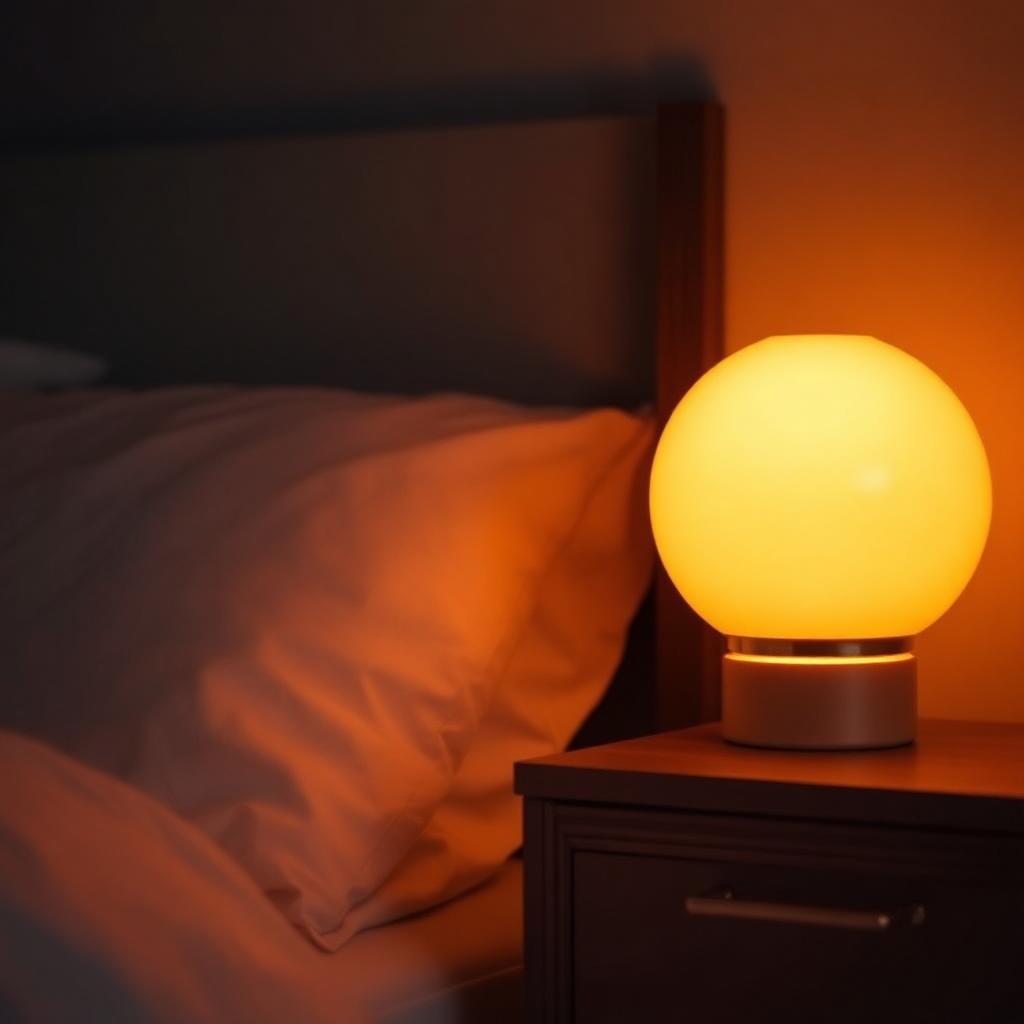
A sunrise clock works with your biology instead of overriding it. Light detected through closed eyelids reaches the suprachiasmatic nucleus, the brain region that controls circadian rhythm. As the pillow gets brighter over 30 to 60 minutes, the brain suppresses melatonin and starts a natural morning cortisol rise on its own. By the time the audible backup alarm actually plays, you are already in light sleep, and waking is almost effortless.
The two specs that actually matter
- Lux at bedside distance. Aim for at least 250 lux at 18 inches, ideally 300 or more. Below that, melatonin suppression is unreliable through closed eyelids.
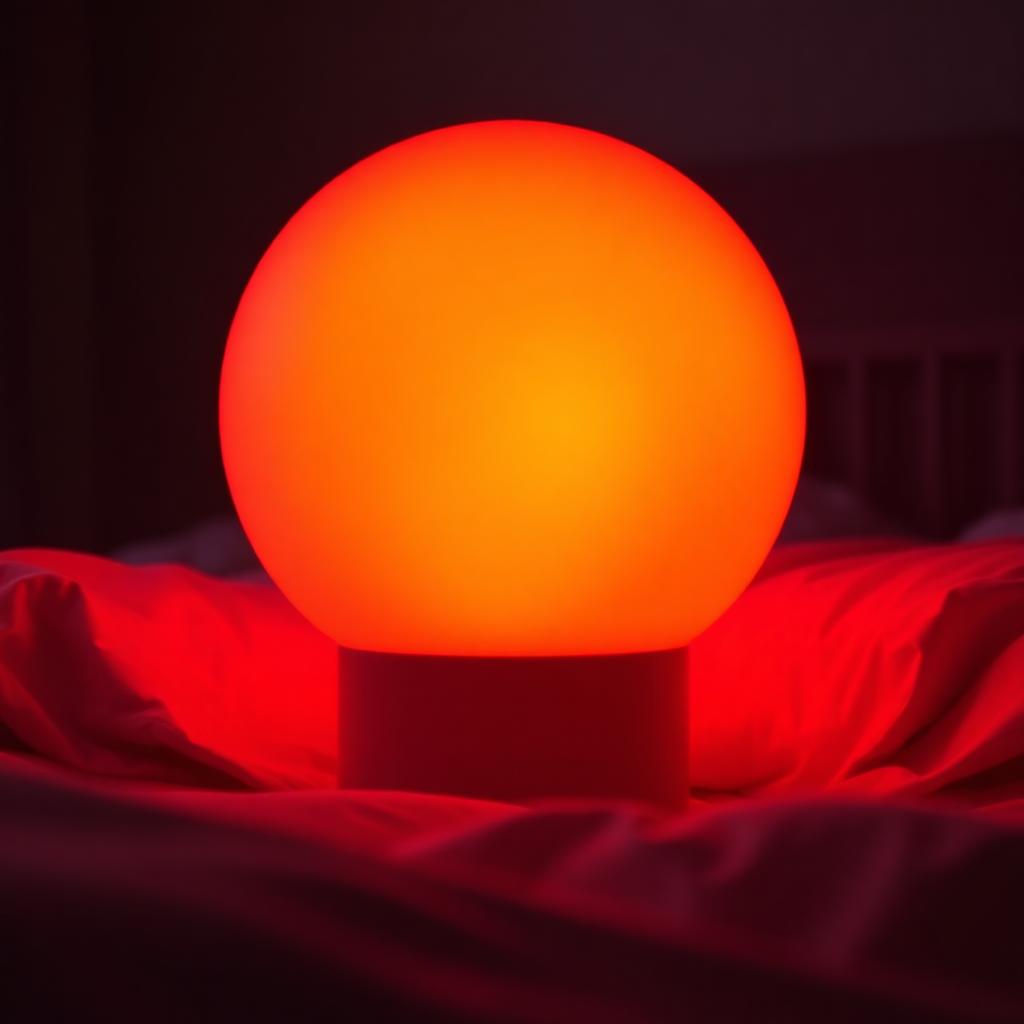
- Color ramp quality. A good sunrise starts deep red, transitions through amber, and ends near a soft 4,000 K daylight white. Choppy transitions or sudden brightness jumps defeat the point.
- Ramp length. 30 minutes is the minimum useful window. Some clocks go up to 90 minutes for very heavy sleepers.
- Backup sounds. Nature sounds, low chime, or FM radio. Anything is better than a piercing beep.
- App optional. Standalone controls are a feature, not a limitation. Fewer things to break.
Best overall: Lumie Bodyclock Shine 300
Lumie is the British company that invented the sunrise alarm category, and the Shine 300 is the current sweet spot in their line. It measures about 360 lux at a realistic 18-inch bedside distance, which is well over the biological threshold. The dawn ramp is fully programmable from 15 to 90 minutes, longer than almost anything else on the market, and heavy sleepers actually need that upper end.
The best feature is the total absence of app dependency. All programming happens on the unit itself with a simple button array. There is no account to make, no firmware to update, and no Wi-Fi outage that will stop tomorrow's wake-up. The display dims to fully black at night so it does not pollute your sleep environment. Sound options include gentle nature loops and a soft chime alarm as backup.
Brightest and smoothest: Philips Hue Twilight
If you already live in the Philips Hue ecosystem, the Twilight is the top-shelf option. Independent testing shows it hits about 395 lux at 18 inches, the highest of any consumer sunrise light. The color transition is the smoothest as well, drifting from a deep midnight blue through amber and into a crisp daylight tone without visible stepping.
The tradeoff is the price and the reliance on the Hue app for full programming. If you have any interest in scheduling scenes across a bedroom of Hue bulbs, this integrates cleanly. If you just want a wake-up light, the Lumie is a better fit for less money.
Best smart routine: Hatch Restore 3
The Hatch Restore 3 is less a clock than a full sleep routine manager. In its app you build a stacked routine: at 10 p.m. a warm reading light comes on with soft rain audio, at 10:30 it dims out and switches to brown noise for the night, at 6:30 the sunrise begins with soft birds, and at 7:00 the backup alarm plays if needed. It also has a curated library of meditations and sleep stories on its subscription tier.
Lux at 18 inches sits closer to 285, which meets the biological floor but is not the leader here. If your problem is not just waking up but also winding down, the Hatch is the pick that solves both ends of the night in one device.
Best budget: JALL Wake Up Light
Under $50, the JALL delivers a working sunrise ramp, seven built-in sounds, an FM radio, and a lux level of about 275 at 18 inches, which is just over the useful floor. The color transition is a simpler orange-to-white curve, less refined than the premium picks. But for the price of a takeout dinner, it is a legitimate way to try the format before committing to a $150 clock.
Placement and setup rules
- Distance. Keep the clock 18 to 24 inches from your head. Lux drops off fast; a clock across the room is not doing the biology.
- Aim it at your face. Forward-firing lamps (Hatch, Philips) need to point at the pillow, not the wall. Omnidirectional lamps (Lumie) can sit facing forward and still work fine.
- Blackout the rest. Streetlight bleed and standby LEDs confuse your body's dark cycle. Pair the sunrise light with heavy curtains or a sleep mask so the ramp is the only meaningful light source in the morning.
- Give it two weeks. The first few mornings the sound alarm still does the work. By week two, most users wake up on the light alone.
Bottom line
The Lumie Bodyclock Shine 300 is the sunrise alarm clock I recommend first. Long 90 minute ramp, high lux, no app dependency, and a track record dating back decades. If you want the highest lux and smoothest color curve and already run Philips Hue, upgrade to the Twilight. If your real problem is a chaotic evening routine, the Hatch Restore 3 is the one device that manages wind-down and wake-up together. Any of these will beat waking up to a phone buzzer.