
Quick Answer
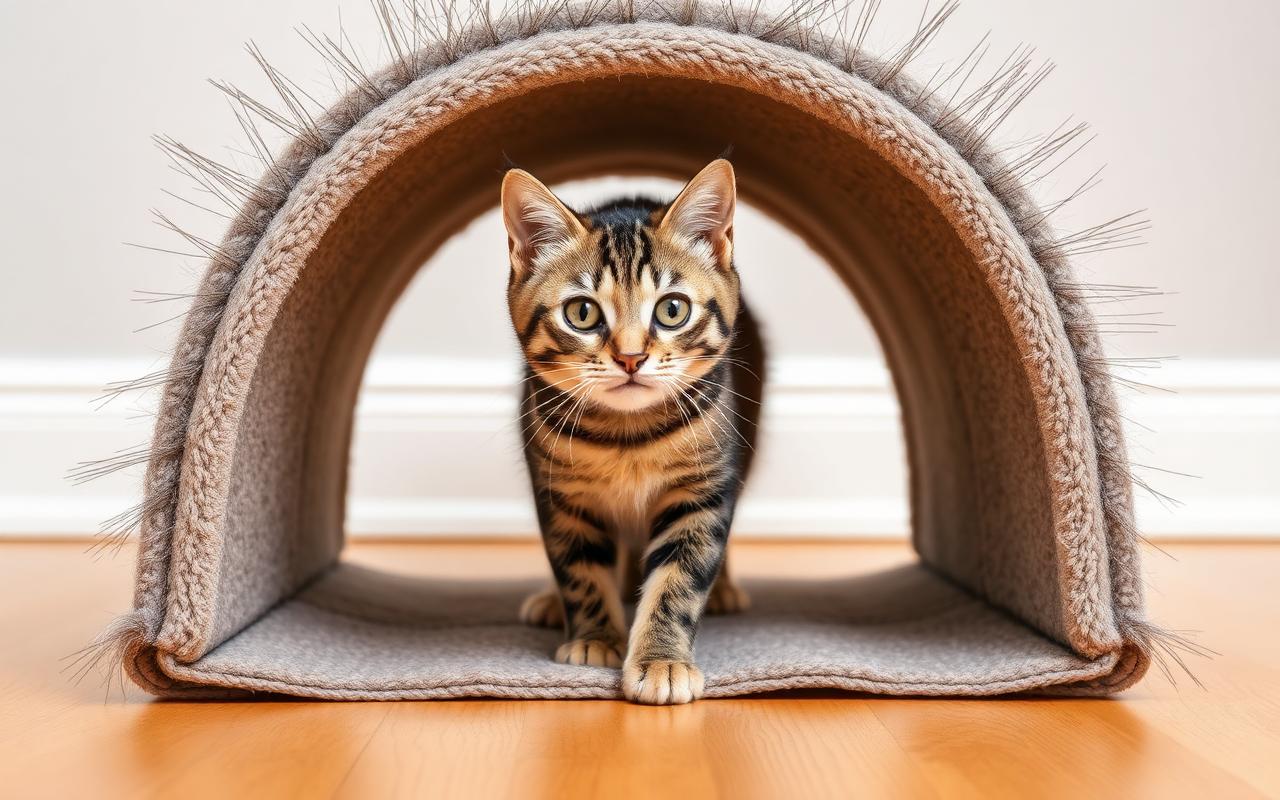
Choose a self-grooming cat arch with a stable nonslip base, flexible smooth-tipped bristles, secure construction, and parts you can clean. The opening should let your cat move comfortably without squeezing, and the whole unit should stay steady when rubbed from different directions.
An arch is optional enrichment, not a replacement for brushing, combing, or checking the skin. I would let the cat choose whether to use it and skip it entirely if it causes fear, excessive rubbing, or chewing of loose parts.
Set realistic expectations
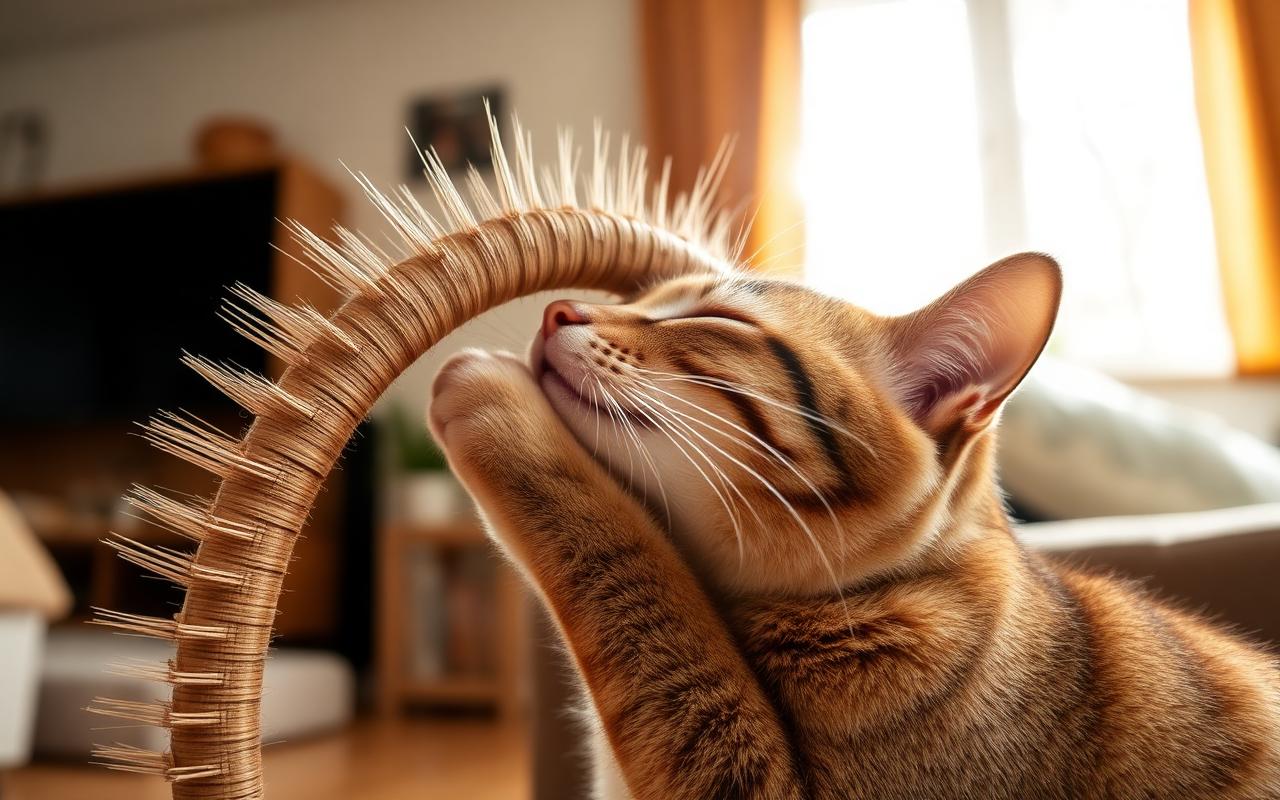
Some cats enjoy rubbing their cheeks and bodies against textured objects. An arch offers another surface for that behavior and may collect loose surface hair. It cannot reach every area or reliably remove mats, and not every cat will find it interesting.
There is no universal base weight that guarantees stability for every cat. Shape, footprint, flooring, bristle resistance, and the animal's approach all affect tipping. A label saying suitable for large cats is less useful than checking whether the unit actually remains secure in your home.
Avoid promises that an arch eliminates shedding or prevents every hairball. Normal shedding continues, and vomiting or repeated retching deserves veterinary attention rather than the assumption that a different brush toy will fix it.
What to inspect before buying
A wide, secure base
Look for a broad footprint and nonslip contact with the floor. The arch should not rock, slide, or lift when pushed gently from the side. Check that screws or fasteners are recessed and that the underside will not damage flooring.
Carpet can feel familiar, but it also traps hair and debris. A smooth washable base may be easier to maintain. Neither material is automatically better if the construction is unstable or the cat avoids it.
Bristles that flex without scratching
Run your hand lightly over the contact areas. Reject sharp points, cracked plastic, exposed wire, or rough joins. Bristles should remain securely attached when handled normally. If the cat is likely to chew them, supervision and a different design may be necessary.
Stiffer is not automatically better for a large cat. Sensitive skin and personal preference vary independently of body size. A cat should be able to rub gently and leave, not feel scraped or trapped by a tight opening.
Appropriate size and simple construction
Measure the usable opening rather than relying on a product photograph. A broad or arthritic cat may prefer a flat wall-mounted brush or a low rubbing surface instead of walking under an arch. The best enrichment is something the animal can use without awkward movement.
Avoid dangling strings, bells, exposed staples, and detachable decorations if they create chewing or entanglement risks. More accessories do not necessarily improve grooming. A simple stable design is often easier to inspect and clean.
Introduce it without pressure
Place the arch near a familiar resting or walking area while leaving a clear alternative route. Do not block access to food, water, litter trays, or a safe hiding place. A cat should never have to pass through an unfamiliar object to meet a basic need.
Let the cat investigate at its own pace. You can reward a calm approach with a treat or gentle attention if the cat enjoys that, but do not push its head or body through the opening. Forced contact can turn a harmless object into something to avoid.
Keep the first sessions supervised. Watch whether the cat rubs comfortably, startles when the unit shifts, catches fur, or starts chewing. If it slides, improve placement or choose a safer model rather than expecting the animal to adapt.
Catnip is optional, not essential
A small amount of a cat-appropriate catnip product may interest some cats if the arch instructions allow it. Others show little response. There is no need to keep increasing the amount or to assume a cat who ignores catnip is missing useful enrichment.
Do not apply concentrated essential oils or improvised scented blends to the bristles. Something that smells pleasant to a person is not automatically suitable for a cat to rub against and lick from its coat. Ask your veterinarian about any ingredient you are unsure of.
A secure pocket can keep loose material contained, but it also needs inspection. Remove the arch if the cat tears open the pocket or swallows filling. A grooming accessory should not become an unsupervised ingestion experiment.
Keep hands-on grooming in the routine
The ASPCA recommends regular brushing and checking for fleas, skin problems, and mats. An arch cannot tell you whether the skin underneath the coat is healthy. Gently inspect behind the ears, under the legs, and around the hindquarters as your cat tolerates.
Use a brush and comb suited to coat length and comfort. Long-haired cats may need frequent attention, while some short-haired cats need less. Older, overweight, painful, or ill cats may be less able to groom themselves and need veterinary assessment rather than more gadgets.
Never cut a tight mat out with scissors. Cat skin can be caught inside the knot and injured. If combing causes pulling, or the skin is hidden, ask a veterinarian or experienced feline groomer for help.
Cleaning and routine safety checks
Remove collected hair before it becomes a dense layer. Follow the manufacturer's cleaning instructions for the base, bristles, and any removable cover. A weekly schedule is not enough if the device becomes dirty sooner, and there is no fixed deadline when every arch becomes contaminated.
Use only cleaning products appropriate for the material and safe around cats when used as directed. Rinse if required and let parts dry completely before reassembly. Do not leave strong cleaner residue where the cat will rub and later lick its fur.
During cleaning, check for loosened joints, bent supports, damaged bristles, and frayed fabric. Replace damaged components if supported by the manufacturer or retire the unit. An accessory that was safe when new may not remain safe after chewing or repeated flexing.
FAQ
What if my cat ignores it?
That is acceptable. Try one quiet location change without blocking resources, then accept the cat's preference. Interactive play, scratching surfaces, and comfortable resting places can provide enrichment without an arch.
Is an arch suitable for kittens?
Only if the size and construction are appropriate and early use is supervised. Kittens may climb, chew, or fit into gaps differently from adults. No base weight guarantees safety for every kind of play.
Can several cats share one?
Possibly, if each can approach and leave freely and there is no guarding. Provide other rubbing and resting options. Ask your veterinarian about sharing grooming equipment if a cat has a contagious skin condition.
Bottom line
Choose stability, comfortable contact, easy cleaning, and voluntary use. Keep inspecting both the accessory and the cat. A good arch adds an enjoyable rubbing surface; it does not replace attentive coat care or veterinary investigation of skin changes.