Quick Answer
The best ring lights for video calls and content in 2026 are the Razer Ring Light 12-inch (about $100 to $120) for a compact desk light with a frosted diffuser and above-90 CRI color accuracy, the Lume Cube 18-inch Cordless Bicolor Ring Light (about $180 to $210) for a big edge-lit studio panel with battery power, and the UBeesize 10-inch Ring Light Kit (about $25 to $32) for the best bundle under thirty dollars.
The single biggest quality jump on a video call is not a new webcam. It is putting one soft light between your face and the camera. Ring lights do that better than any other single tool for the price.
Why lighting matters more than camera resolution
A 4K webcam in a dim room still looks grainy because the sensor cranks its ISO gain and pours digital noise into the feed. A 720p webcam in properly lit conditions looks clean, sharp, and flattering. Lighting is the multiplier for every camera you already own.
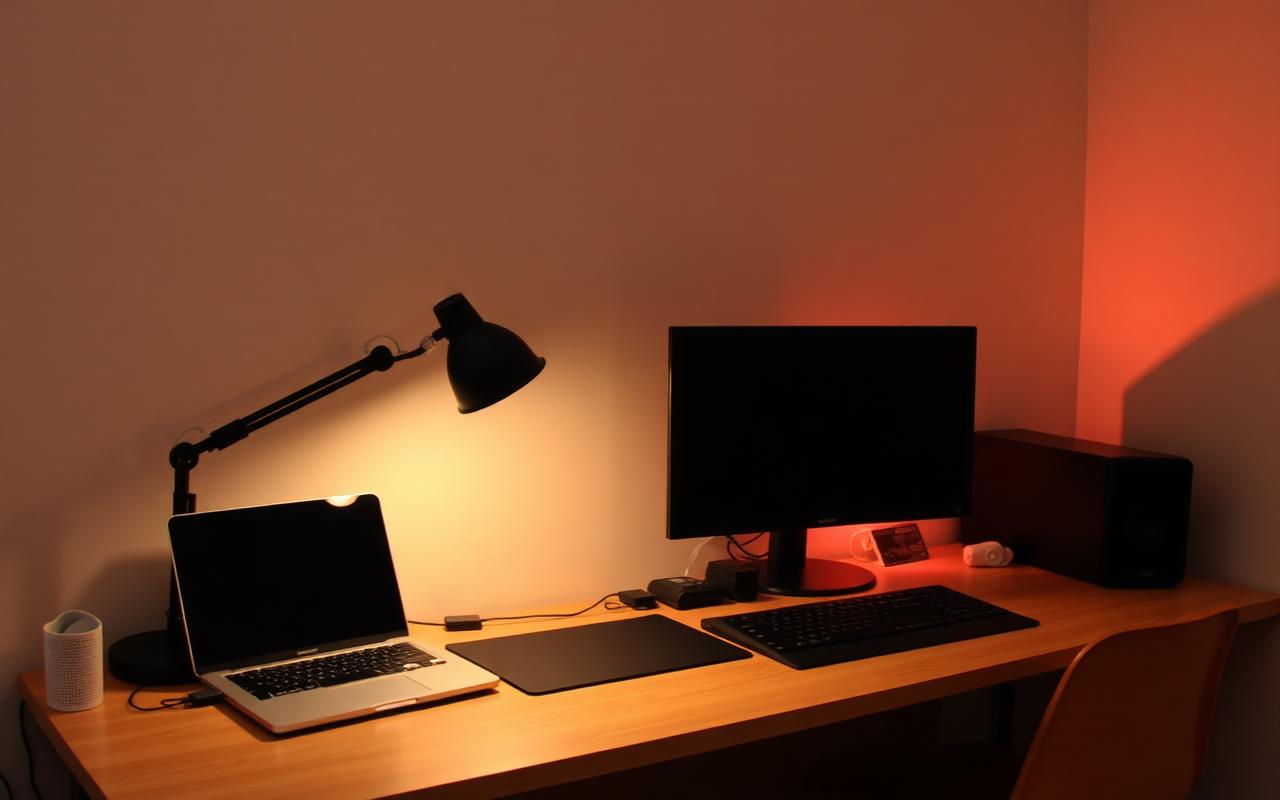
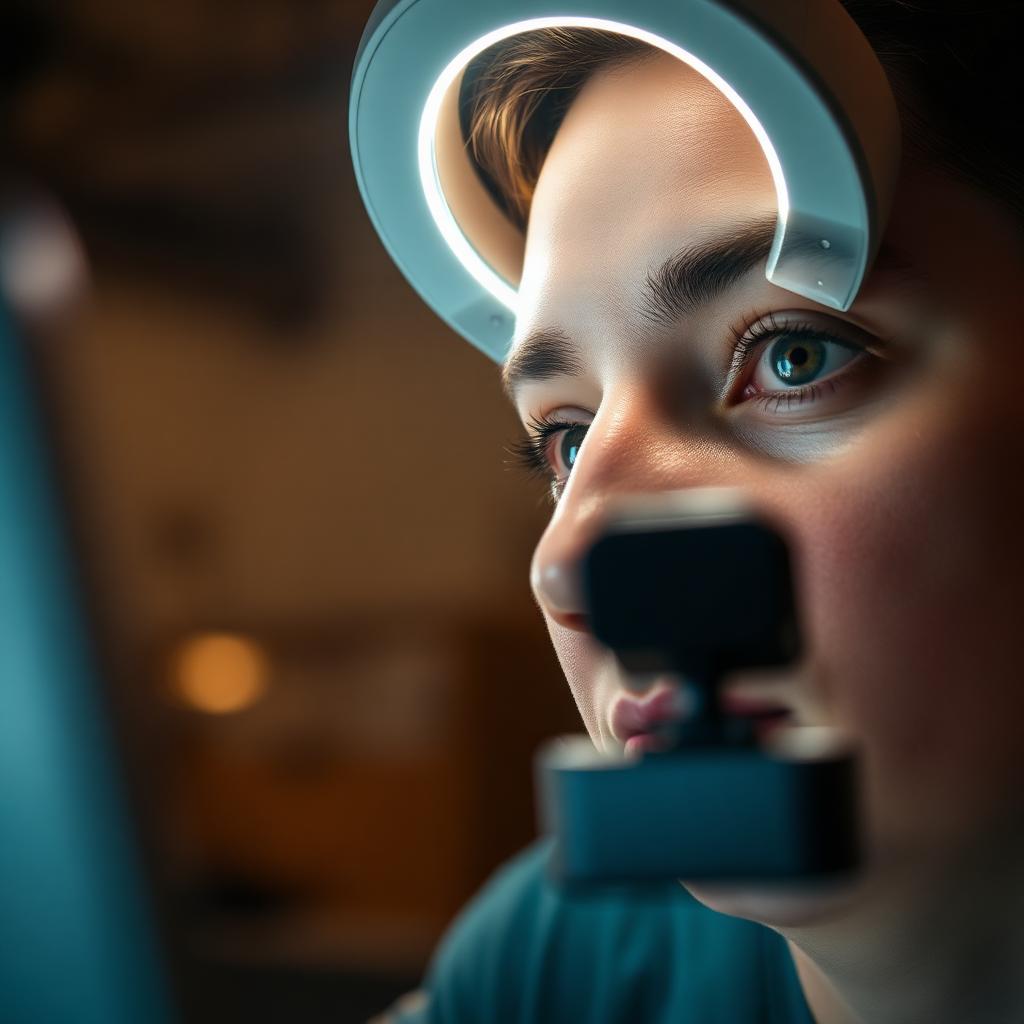
Overhead ceiling lights cast shadows straight down. That is what gives you dark bags under your eyes on Zoom, even when you slept eight hours. A ring light in front of you and slightly above eye level cancels those shadows and adds a soft round catchlight to your eyes.
What actually matters on the spec sheet
- CRI (Color Rendering Index). Aim for 90 or higher. Cheap panels sit at 80 and make skin look green or gray. High-CRI panels render skin, clothing, and background colors naturally.
- Color temperature range. A bi-color light adjusts from about 3000K (warm) to 6500K (cool daylight). Match it to your room lights so your face does not glow orange against a blue window.
- Diameter. 10 to 14 inches is the sweet spot for one person on a desk. 18 inches is studio territory and wraps light around a wider frame.
- Diffusion. A frosted panel over the LEDs kills the harsh dotted glare that raw diodes create.
- Power source. USB is convenient for a desk. AC or battery is required if you run the light at full brightness for hours or shoot off-desk.
Best overall: Razer Ring Light 12-inch
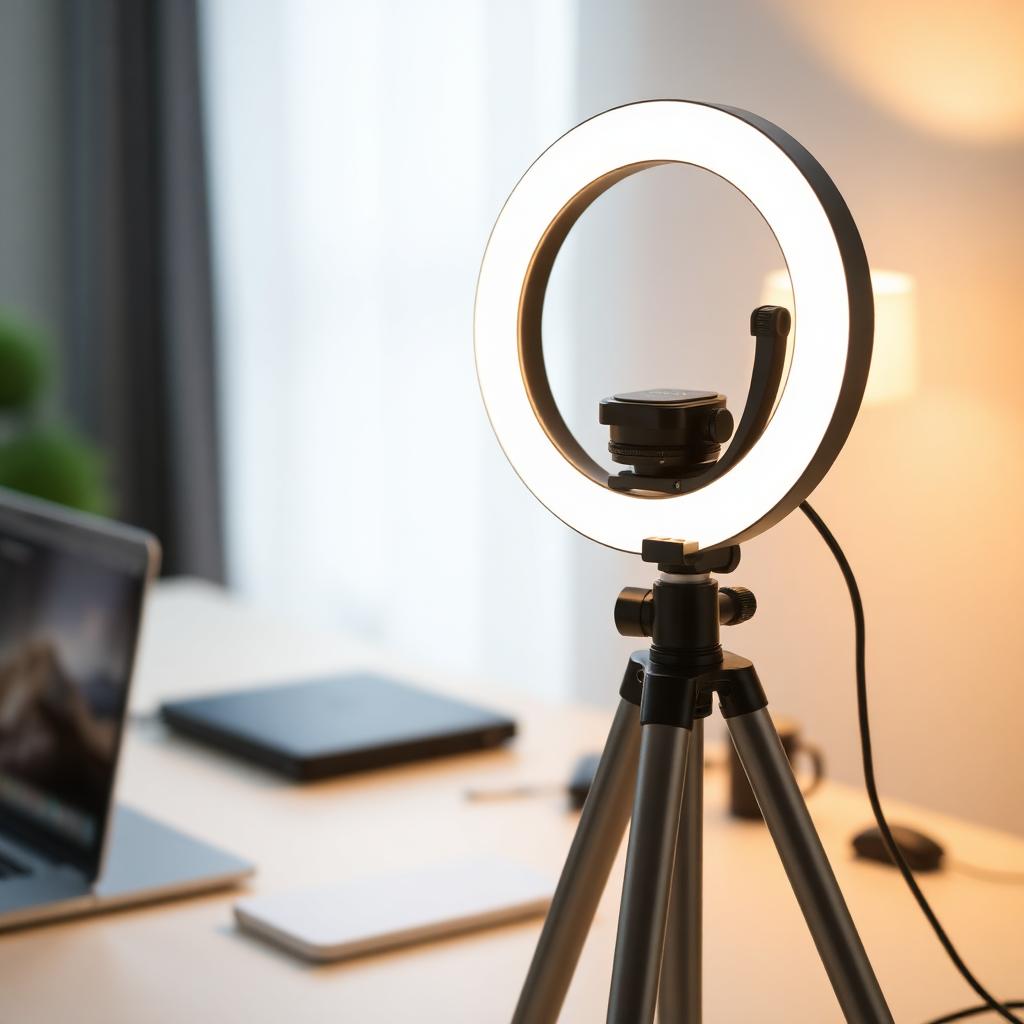
The Razer Ring Light 12-inch is my top pick because it hits the three things a desk light needs to nail: real high CRI, a proper frosted diffuser, and stable tripod hardware. It ships with a 55-inch tripod, a ball-head mount, and a phone holder that sits centered inside the ring.
The bi-color panel adjusts across 3000K warm to 6500K cool. Brightness scales in ten steps from a subtle fill to a bright key light. The USB-C cable keeps the setup clean, and the included Bluetooth shutter is a nice extra if you use it for photo work.
It replaced my mismatched desk lamps in one afternoon. Clients stopped asking whether my internet was slow, because grainy low-light video reads as bad connection to most people.
Best premium: Lume Cube 18-inch Cordless Bicolor Ring Light
If you shoot content full time or record video for hours at a stretch, the Lume Cube 18-inch is worth the jump. It is edge-lit, which means the LEDs face inward against a reflective surface instead of shooting straight at your face. That produces a genuinely soft wraparound light without hot spots.
The 18-inch aperture matters. Once your light source is bigger than your face, shadows soften dramatically. Skin looks smoother without any beauty filter or plugin. It runs on AC or on optional Sony NP-F batteries, which is why beauty creators and influencers pack it for on-location shoots.
Best budget: UBeesize 10-inch Ring Light Kit
For a first ring light, the UBeesize 10-inch kit is hard to beat. For under thirty dollars you get the ring, a 50-inch aluminum tripod, a flexible phone mount, and a Bluetooth remote. CRI sits around 85, which is a step below the Razer, but a mile ahead of naked ceiling bulbs.
It powers off standard USB, so you can run it off your laptop, a power bank, or a wall brick. If you are a student, remote worker, or casual TikTok creator, this is the light I would recommend first. Upgrade to the Razer or Lume Cube only when you know you want more.
How I position a ring light for video calls
The most common mistake is putting the ring light dead center behind the webcam so it points flat at your face. That flattens your features and blows out your forehead. Try this instead.
- Set the ring light so its center sits about one hand higher than your natural eye level.
- Tilt the head down at roughly a 45 degree angle so shadows fall softly under the jaw.
- Offset the light 20 to 30 degrees to your left or right. This adds gentle dimension across your face instead of a flat wash.
- Start at 40 to 60 percent brightness. Ring lights run bright. Anything higher usually makes your eyes squint on camera.
Match the color temperature to your room. If your ceiling lights are warm yellow, run the ring at about 3200K. If you sit near a window, push it toward 5000K so daylight and lamp do not fight each other.
Ring light vs. LED panel vs. softbox
A rectangular LED panel or a softbox pushes softer, more directional light and looks slightly more cinematic. A ring light is symmetrical, so it produces the signature circular catchlight and works better when you want your face perfectly centered.
For desk-based video calls, streaming, tutorials, or short vertical content, a ring light is the fastest single upgrade. For narrative video, product photography, or interviews, a bicolor panel with a softbox pushes ahead. Many creators own both.
Bottom line
The Razer Ring Light 12-inch is the best overall pick for anyone who spends real time on video calls or records content from a desk. The Lume Cube 18-inch is the premium studio-grade option when you outgrow a 12-inch panel. And the UBeesize 10-inch kit is the honest best-value entry point if you just want your Zoom face to stop looking dim and gray.