Quick Answer
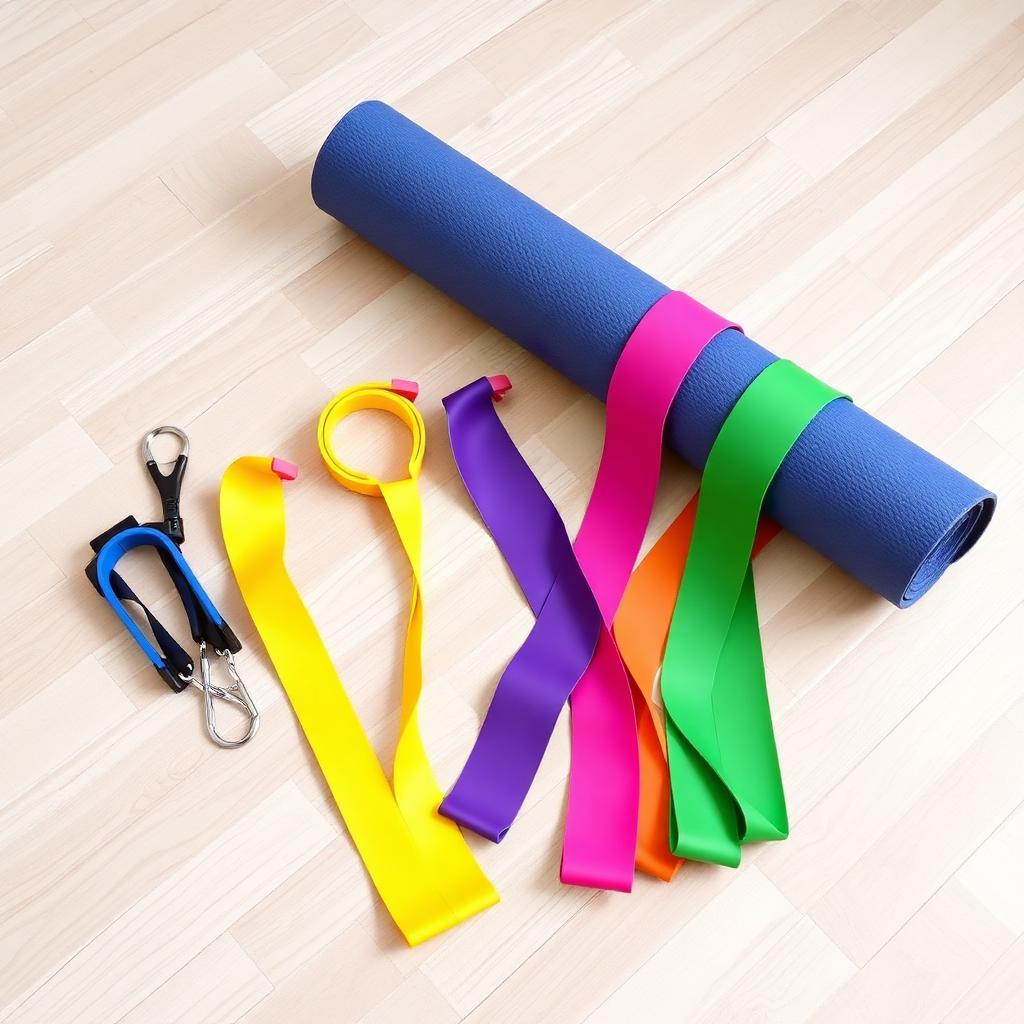
The best resistance bands sets for strength training in 2026 are the Living.Fit Resistance Bands Set (about $65 to $80) for premium continuous-layered latex loops backed by a lifetime warranty, the Rogue Monster Bands Full Set (about $95 to $125) for the gym-standard barbell-and-rack loop bands, and the Bodylastics Stackable Tube Set (about $55 to $70) for the best clip-style tube set with an internal snap-safe cord.
Resistance bands are not backup gear. They generate variable tension that matches the muscle's natural strength curve, which barbells do not.
Buy layered continuous-loop latex, not molded rubber. Cheap molded bands can snap at full stretch.
Why bands matter for real strength training
Elastic resistance creates a variable tension curve: near the start of a rep the band is barely stretched and load is low, at the top of the rep the band is fully stretched and load is highest. That matches the human strength curve, which peaks near lockout on most compound lifts, more closely than a fixed dumbbell does. Wrapping bands around a barbell for bench or squat (a technique Louie Simmons popularized at Westside Barbell) forces the nervous system to accelerate all the way through lockout, which is why band work is a staple in serious powerlifting programs.
Layered latex vs molded tubes
- Continuous-layered latex loops. Thin sheets of natural latex wrapped many times around a core. If the outer layer nicks, inner layers still hold. This is the pro-grade construction used by Rogue, Living.Fit, and EliteFTS.
- Molded rubber tubes. Liquid latex poured into a mold and cured as one solid piece. A single scratch can propagate through the whole tube. Only buy molded if it has a nylon safety sleeve.
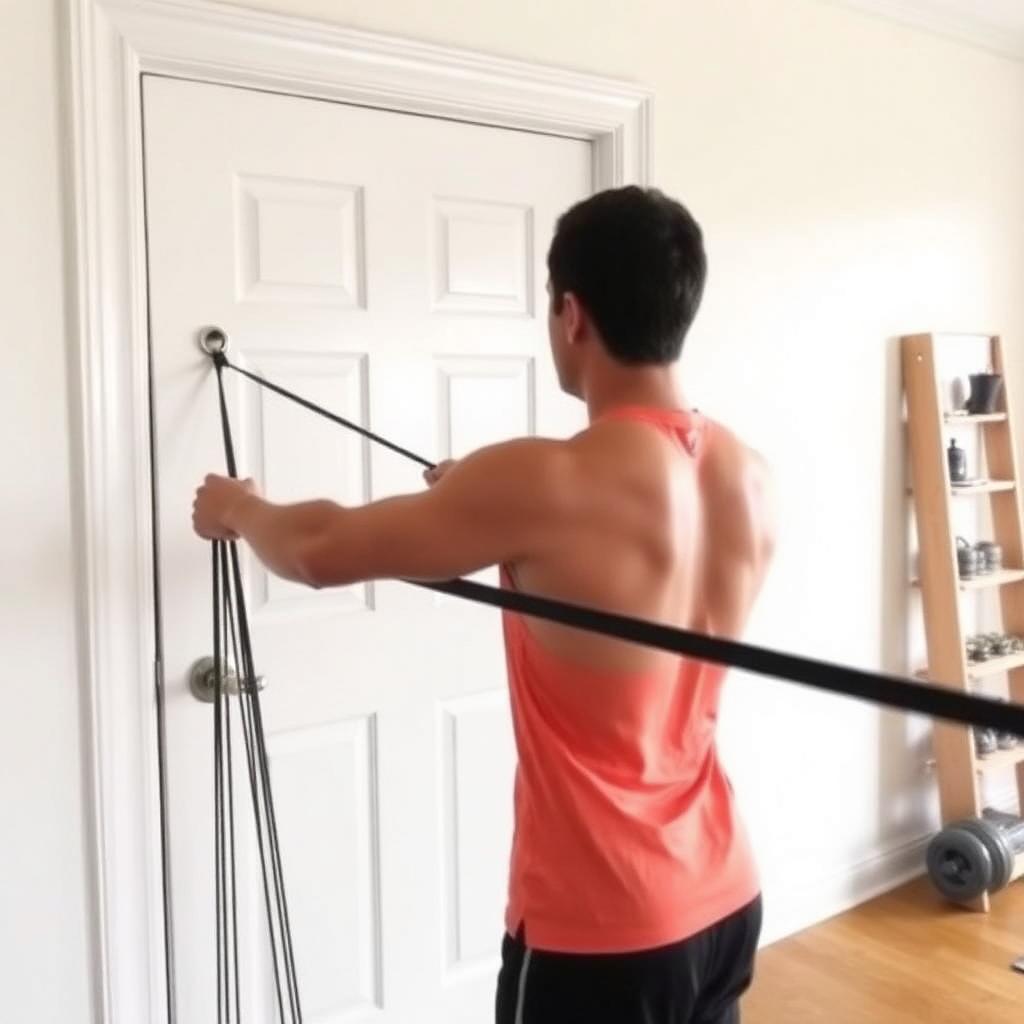
- Nylon-sleeved tube bands. Latex tube inside a woven nylon sheath that limits stretch to about 3x and prevents whip if the tube fails. Bodylastics is the gold standard here.
Best overall: Living.Fit Resistance Bands Set
Living.Fit's loop bands are made in Malaysia from continuous-layered natural latex (Malaysia is where roughly two-thirds of the world's high-grade latex is sourced). The five-band set covers about 10 to 200 lb combined resistance and pairs with an optional pro door anchor. What makes Living.Fit unusual in a category of disposable gear is the lifetime warranty: if any band splits, cracks, or loses tension, they replace it free, which is not marketing filler (verified against Trustpilot warranty threads).
Best for barbell work: Rogue Monster Bands
Rogue is the equipment supplier for the CrossFit Games and hundreds of college weight rooms, and their Monster Bands are the reference standard for adding elastic accommodation to a barbell. The full set covers Light, Average, Strong, Monster Mini through Monster Strong, giving 15 to 200 lb of accommodating tension you can loop over a squat rack or under the bench press feet. The rubber is thicker and stiffer than Living.Fit's, which is what you want when a 315 lb bar is trying to snap the band shut on the descent.
Best for accessory work: Bodylastics Stackable Tube Set
If you prefer traditional handles, ankle straps, and stackable colored tubes for isolation work like curls, chest flys, and cable-style rows, Bodylastics is the pick. Every color-coded tube has an internal woven safety cord running through the center of the latex tube. If you overstretch the tube, the cord stops it before the rubber snaps back. The full set combines to 202 lb with the deluxe door and ankle anchor kit included.
Best travel/handle set: REP Fitness Handle Tube Bands
REP's basic handle-tube set is a light, medium, and heavy tube with molded rubber handles and a door anchor for around $25. It is the pick if you want a small kit that packs into a carry-on for hotel workouts. Not for heavy strength work, but a fine complement to a barbell-focused Rogue set.
How to actually progress with bands
- Slow the eccentric. A 3-second lowering phase forces the muscle to resist the band's snap-back energy, which is where most band injuries happen.
- Hold the peak contraction. Squeeze for 2 seconds at the top of every rep where band tension is highest to fully recruit type-II fibers.
- Widen your stance to increase base tension. Stepping wider on a loop band shortens the resting length and adds resistance at the bottom of the rep.
- Track band color and stance width, not reps. Progressive overload with bands looks like moving from a red band with feet at hip-width to a red band with feet at shoulder-width, then to a black band with feet back at hip-width.
Care and storage
Store bands out of direct sunlight and away from concrete floors. UV and heat degrade natural latex, and rough concrete abrasion is the top cause of premature band failure. Wipe with a dry cloth after sweaty sessions; do not use alcohol or bleach cleaners, which oxidize the rubber.
Bottom line
For a home strength-training set that covers 90 percent of what a garage lifter needs, the Living.Fit Resistance Bands paired with the lifetime warranty is the buy. For real barbell accommodation on a squat rack, Rogue Monster Bands are the industry standard for a reason. And for handle-and-anchor accessory work with maximum snap safety, Bodylastics is the pick. Skip cheap molded rubber, warm up with the lightest band first, and you will get years of use out of any of these.