Quick Answer
The best foam rollers for sore muscles in 2026 are the TriggerPoint GRID (about $35 to $45) for a hollow-core textured roller that lasts for years, the LuxFit Premium High Density (about $15 to $25) for the best smooth budget option, and the RumbleRoller (about $50 to $65) for aggressive deep-tissue release once you know what you are doing.
A foam roller is the cheapest recovery tool in fitness. Ten minutes on the right one can undo most of what an office chair or a hard workout did to your body.
Why foam rolling actually works
Self-myofascial release (SMR) is the technical name. When muscles hold tension, the connective tissue around them (fascia) starts adhering to muscle fibers, forming trigger points. Applying slow, targeted pressure with a roller signals the nervous system to relax the muscle and helps restore normal gliding between muscle and fascia.
Research reviews from the last decade generally show that foam rolling reduces perceived soreness after exercise and improves short-term range of motion. It will not permanently lengthen tissue on its own. Consistent rolling plus mobility work plus strength training is the actual formula.
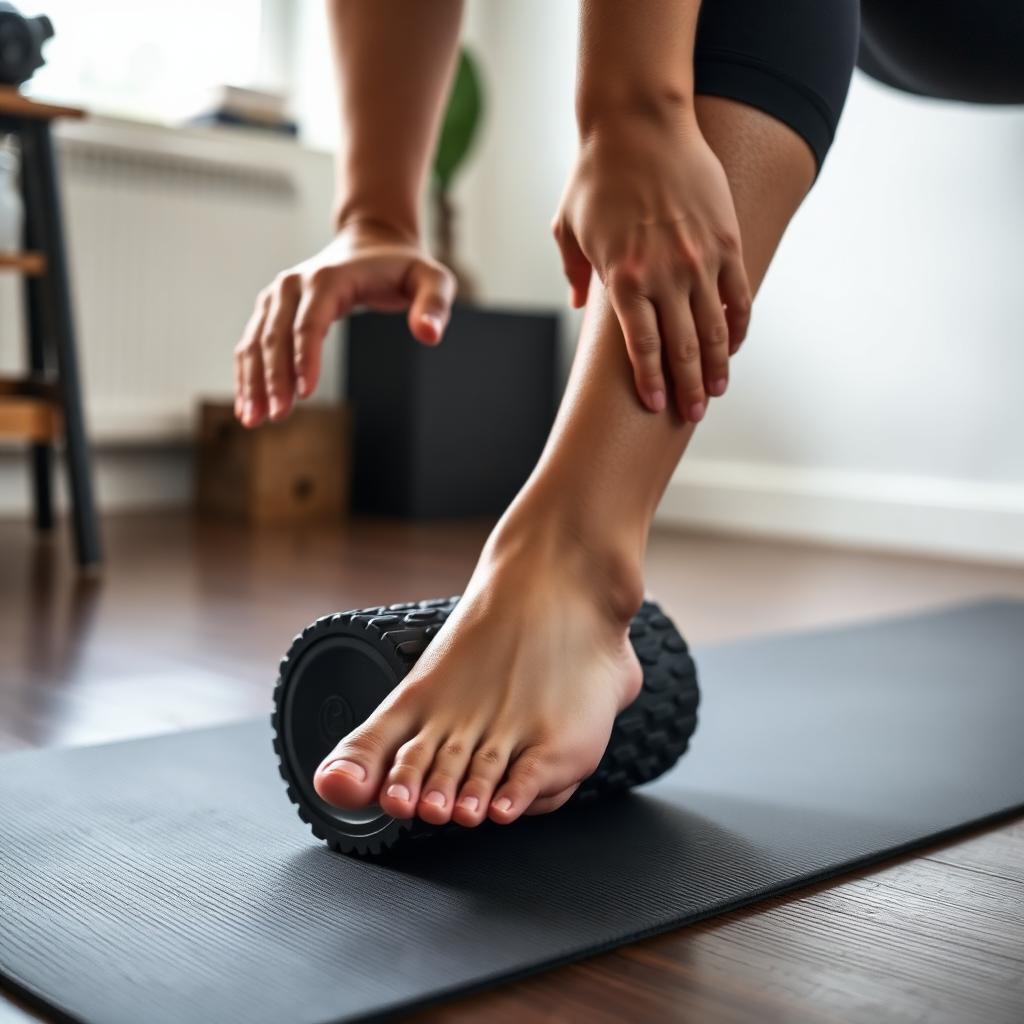
Density, length, and texture: what actually matters
- Density. Soft rollers (blue or white foam) barely press into big muscles. Medium (black EVA) works for most people. Extra firm (molded EPP or textured EVA over a rigid core) is for lifters and endurance athletes with dense tissue.
- Length. 12 to 13 inches is portable and good for calves, quads, and glutes. 18 inches fits both sides of the spine on your upper back. 36 inches doubles as a mobility beam for stretching and Pilates.
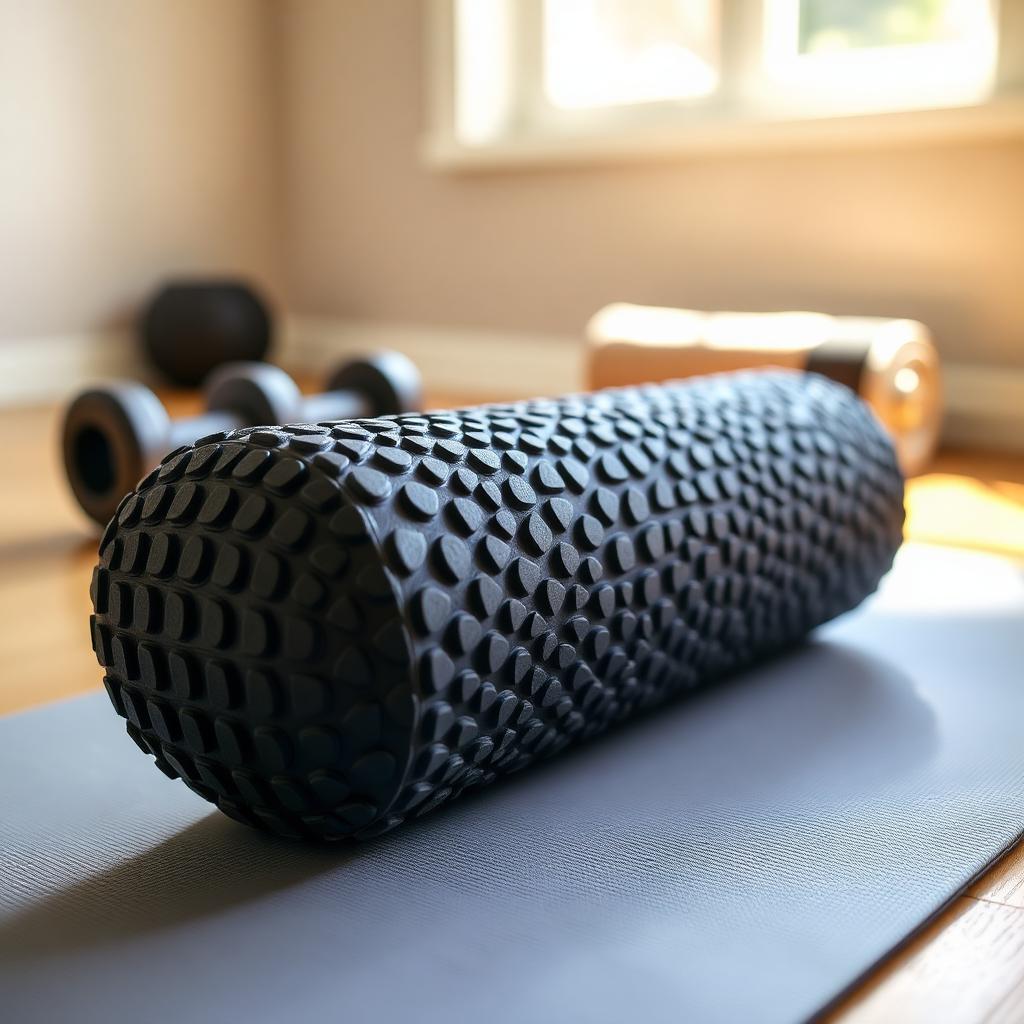
- Texture. Smooth rollers spread pressure evenly and feel gentler. Grid or nodule patterns concentrate pressure on small areas, mimicking a therapist's fingers or thumbs.
- Core. A rigid inner core (like the GRID's PVC pipe) keeps the roller from bowing under heavy load. Solid foam rollers collapse and lose shape over time.
Best overall: TriggerPoint GRID
The GRID has been the industry standard for over a decade for a reason. It is a rigid hollow PVC core wrapped in dense EVA foam molded into a repeating grid pattern. The wide flat sections mimic palm pressure. The narrow ridges act like fingers. The small squares press like thumbs.
It is rated to 500 pounds of static load, which means it will not warp under a heavier lifter. Mine is seven years old and still perfectly round. For the general population this is the roller I recommend without qualifications. The 13-inch length fits in a gym bag. The 26-inch version covers both sides of the back at once.
Best budget: LuxFit Premium High Density
The LuxFit is a solid molded EPP foam log with no fancy texturing. It comes in 12, 18, 24, and 36 inch lengths. It is very firm, very cheap (often under $20), and shrugs off body weight without deforming.
Pick this if you want a plain smooth roller for beginners, physical therapy, or as a stretching aid. The 36-inch version is what most yoga and Pilates studios stock because you can lie the length of your spine on it for thoracic mobility work.
Best deep tissue: RumbleRoller
The RumbleRoller is aggressive on purpose. Its surface is covered in rows of firm rubber nodules that concentrate pressure into small trigger points. Rolling a tight IT band on this thing genuinely hurts for the first week. Then you notice you stop needing massages.
This is not a beginner tool. If you already tolerate a GRID on your quads without wincing, upgrade. If a GRID still feels intense, stick with what you have.
Best premium: Hyperice Vyper 3
The Vyper 3 is a battery-powered vibrating roller. Three speed settings add high-frequency vibration to whatever pressure you apply. The theory (and the small research base) is that vibration reduces muscle guarding and lets the nervous system relax faster than pressure alone.
In practice it does feel different. My calves and glutes release faster on it than on a standard GRID. Battery life is around two hours per charge. At around $200, it is a luxury tool, not a first roller. If you already own a good one and want an upgrade, this is the direction.
How I actually roll: the routine that works
- Slow down. Move at about one inch per second. Fast rolling triggers protective muscle contraction, which is the opposite of what you want.
- Find the sore spot, then stop. When you hit a knot, stop rolling and hold pressure on it for 20 to 45 seconds. Breathe out slowly. The tissue will release under a still hold much better than under continuous motion.
- Direction: along the muscle. Roll the length of the muscle fibers, not across them. Quads roll up and down. Lats roll from armpit toward hip.
- Skip the lower back. Never roll directly on the lumbar spine. Your lower back does not have a rib cage to protect it. Roll the glutes and mid-back thoracic region instead; lower back tightness usually resolves from those two areas anyway.
Aim for 5 to 10 minutes daily or 15 to 20 minutes as part of a warmup or cooldown. Consistency beats intensity.
When not to foam roll
Foam rolling is not appropriate for acute injuries, bruises, varicose veins, or over bony joints. If you have chronic pain in one area, you want a physical therapist to identify the actual source before you spend six months rolling a symptom.
Bottom line
The TriggerPoint GRID is the foam roller I recommend without hesitation to almost anyone. Its texture pattern targets muscles the way a therapist's hands do, and the hollow core keeps it round for years. If your budget is under $25, get the LuxFit High Density. If you are already deep into training and want to punish tight spots, upgrade to the RumbleRoller.