Quick Answer
The best portable SSDs for backups and travel in 2026 are the Samsung T9 (about $180 to $210 for 2 TB) for a 2,000 MB/s USB 3.2 Gen 2x2 drive with a rugged rubberized shell, the Crucial X9 Pro (about $130 to $150 for 2 TB) for an ultra-compact aluminum drive with hardware AES-256 encryption, and the Kingston XS2000 (about $160 to $185 for 2 TB) for the fastest drive per dollar when paired with a Gen 2x2 laptop port.
Portable SSDs are drop-proof, silent, and about 10x faster than the external hard drives they replaced. There is almost no reason to travel with a spinning drive anymore.
Skip the current SanDisk Extreme lineup. Persistent firmware failure reports across 2024 and 2025 have not fully resolved.
Why SSD, not spinning HDD
External hard drives use magnetic platters spinning at 5,400 RPM. Drop one while it is running and the read head can crash into the platter, taking your data with it. They are heavy, they buzz, and even the fastest models top out around 130 MB/s.
Portable SSDs have no moving parts. They tolerate drops, they run cool, and modern USB 3.2 Gen 2x2 models push 2,000 MB/s of sustained read speed. A 100 GB Final Cut project that took 15 minutes to copy over an HDD moves to a T9 in under a minute.
The interface generation that determines your top speed
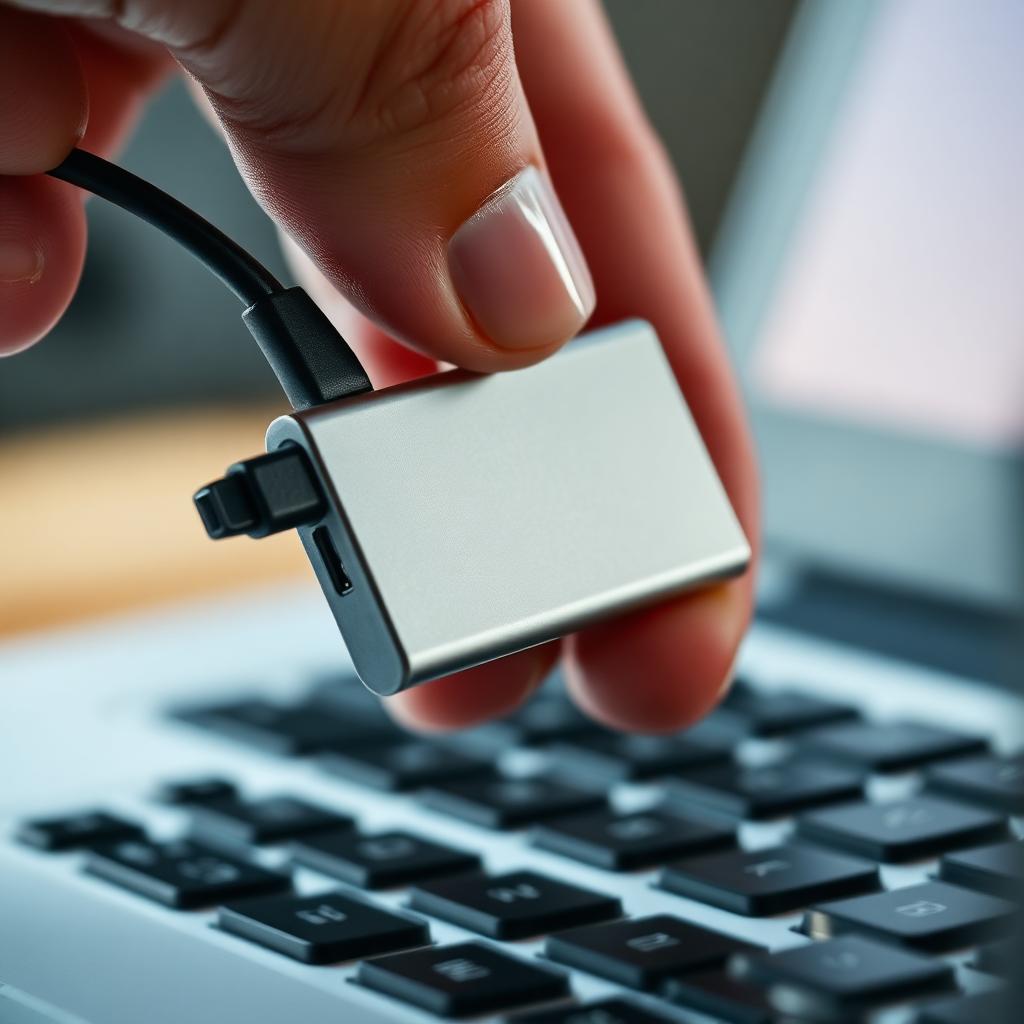
- USB 3.2 Gen 2 (10 Gbps). Real-world tops out near 1,000 MB/s. This is what almost every modern laptop supports. If you are not sure what port you have, buy at this tier.
- USB 3.2 Gen 2x2 (20 Gbps). Doubles the throughput to about 2,000 MB/s. Only a handful of Windows laptops and some external Thunderbolt bridges hit these speeds. Apple Silicon Macs do not natively support Gen 2x2 as of 2026.
- Thunderbolt 3 / USB4 (40 Gbps). Fastest, but drives that use it are 2x to 3x the price. Worth it only for pro video editing off-drive.
The drive will still work on a slower port, just at that port's speed. Buying a Gen 2x2 drive to use in a Gen 2 laptop is money wasted.
Best overall: Samsung T9
The Samsung T9 replaces the older T7 and is the drive I recommend most travelers buy. It uses USB 3.2 Gen 2x2 for up to 2,000 MB/s and hits it consistently in benchmarks. The shell is a soft-touch rubberized casing over an internal metal chassis rated to survive a 3-meter drop.
Samsung's Dynamic Thermal Guard software throttles the controller gently instead of dropping into a hard slowdown when the drive gets warm during long transfers. It has hardware AES-256 encryption managed by Samsung's free Magician software, so a lost drive at the airport is a lost inert brick, not a leak.
Best compact value: Crucial X9 Pro
The X9 Pro is the drive I recommend for people who just need reliable backup, not maximum speed. The chassis is machined anodized aluminum smaller than a car key fob, and it carries an IP55 rating for dust and light water splash. Speed tops out at about 1,050 MB/s over USB 3.2 Gen 2, which is what most laptops actually support.
Crucial is owned by Micron, one of the two big NAND flash manufacturers, so the internal memory quality is a known quantity. At $130 to $150 for 2 TB, it is often the best price-per-terabyte pick from a top-tier brand.
Best raw speed per dollar: Kingston XS2000
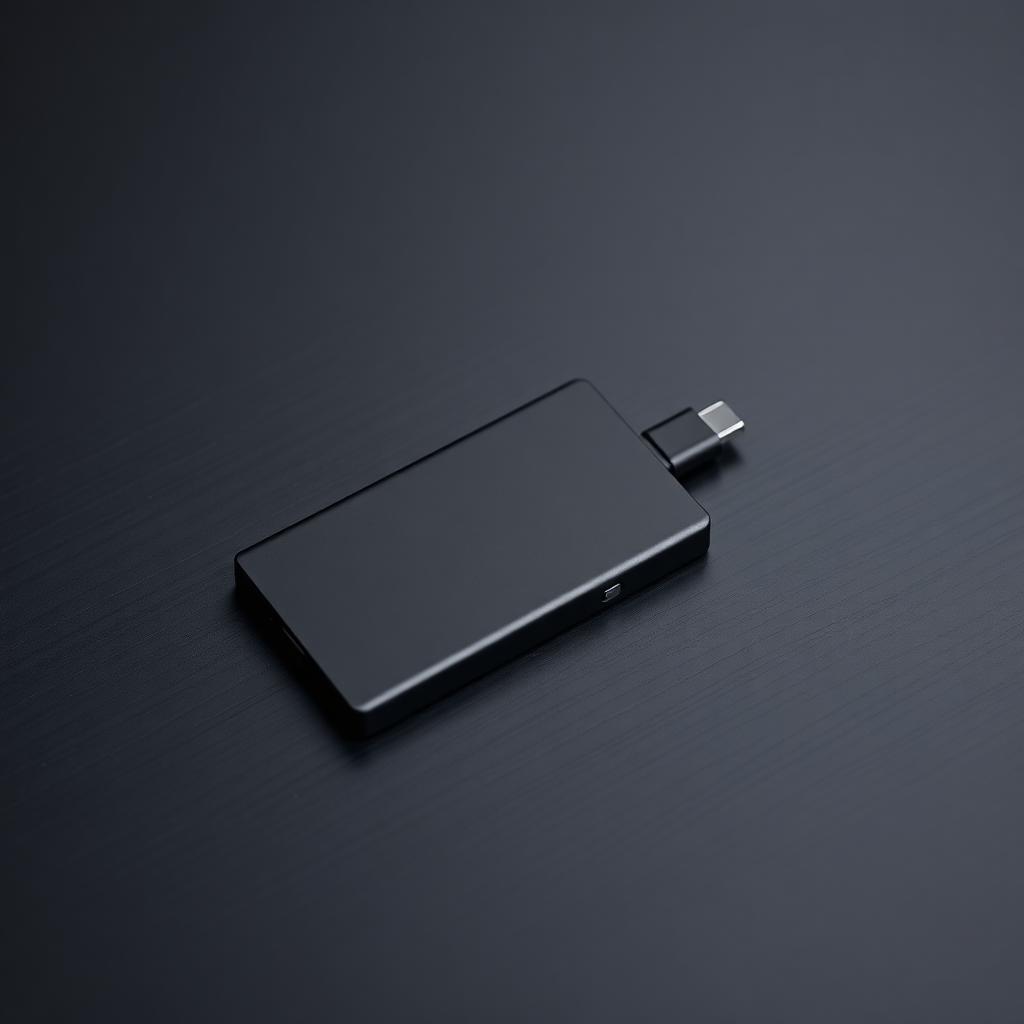
The XS2000 also runs USB 3.2 Gen 2x2 at 2,000 MB/s, in a shell about the size of a matchbook. It ships with a detachable silicone bumper sleeve that adds IP55 protection. It does not have the polished Samsung Magician software layer, and encryption is optional through third-party tools rather than built in, so it is a better pick for people who want speed and small size and less critical about baked-in security.
Why the current SanDisk Extreme series is a skip
Between 2023 and 2025, the SanDisk Extreme and Extreme Pro V2 portable SSDs saw widely reported firmware and controller failures leading to sudden drive corruption. Western Digital, the parent company, faced multiple class actions and issued firmware patches, but user reports of failed drives continued through 2025. Until there is a clean run of reliable next-generation drives from the line, I recommend the Samsung, Crucial, and Kingston picks above instead.
The 3-2-1 backup rule
Any single drive can fail or get lost. The professional standard is 3-2-1: three copies of your data, on two different media types, with one copy off-site. In practice that looks like a working copy on your laptop, a mirror on your portable SSD, and a third copy in an encrypted cloud service like Backblaze, iDrive, or Arq. Never let critical footage or family photos live on a single drive.
Formatting: exFAT vs APFS vs NTFS
Portable SSDs ship formatted as exFAT out of the box, which reads and writes on both Mac and Windows. Keep it that way unless you use one operating system exclusively. Reformatting an exFAT drive to APFS gives Mac users snapshot support and slightly better sustained speed, but locks Windows out.
Bottom line
For a single drive that will handle any travel workflow, get the Samsung T9. It is the best combination of speed, ruggedness, and encryption. If you mostly need backup capacity in the smallest package for the lowest price, the Crucial X9 Pro is the buy. And if you own a Gen 2x2 Windows laptop and want maximum speed for the least money, the Kingston XS2000 is the pick. Whichever you choose, run the 3-2-1 backup rule and never rely on one copy of anything you cannot afford to lose.