
Quick Answer
Choose a pomade for a slick-back by matching hold, finish, washout, and skin tolerance to your hair and routine. Start with a small amount and increase only if needed. Water-based products can be convenient, but their hold and removal differ by formula.
I would prioritize a manageable style over the strongest possible hold. A slick-back should not hurt, pull at the hairline, or leave your scalp itchy. Product names such as natural, oil-based, or salon strength do not establish safety or performance.
Match the formula to your goal
Fine hair may look greasy or flat under a heavy formula. Thick hair may need stronger hold or a haircut that removes bulk. Curly hair may keep some texture rather than lying completely flat, and forcing it straight with more product is not always practical.
Decide whether you want a shiny, wet-looking finish or softer definition. Hold and shine are separate features: a high-shine product is not necessarily stronger, and a matte formula may still feel firm or heavy.
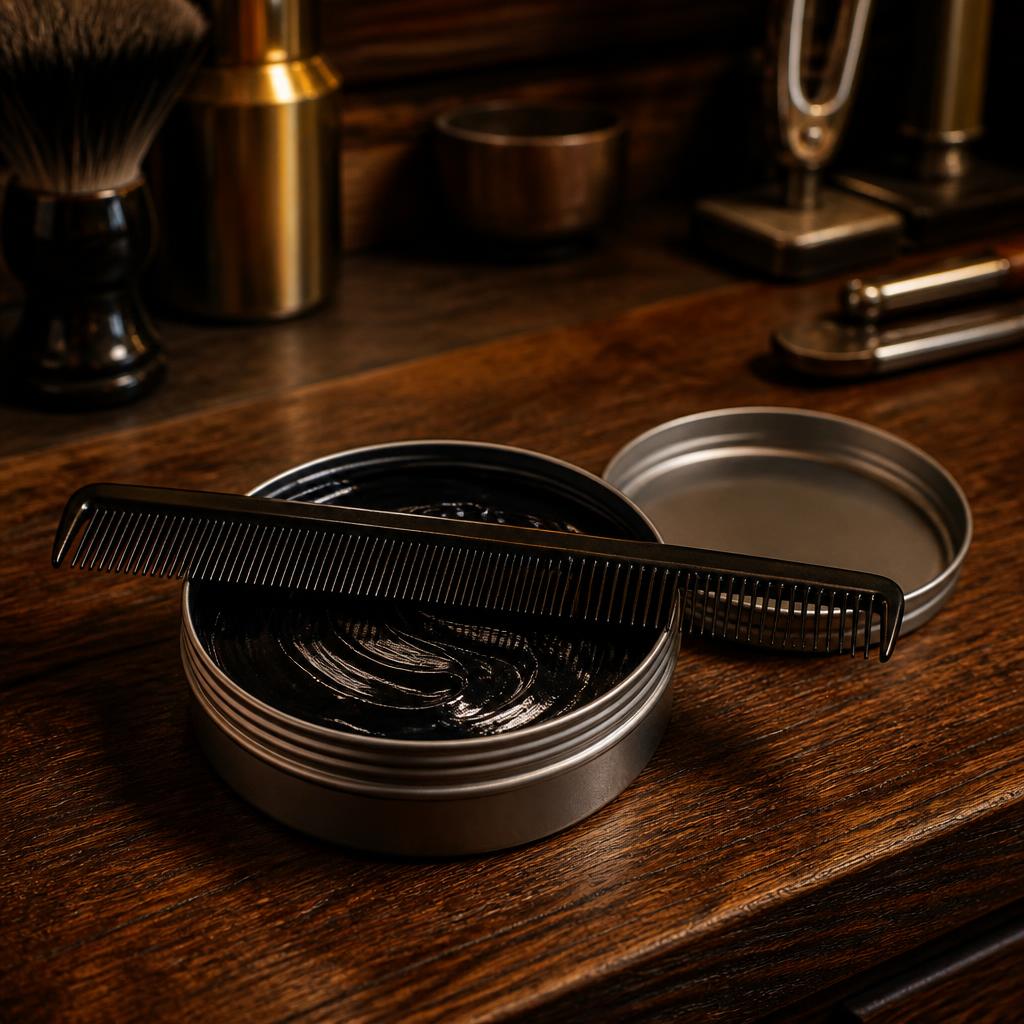
Water-based pomades often wash out more readily than traditional waxy formulas, but read the instructions. Oil and wax blends can stay flexible for restyling, yet removal depends on the whole formula, the amount used, and your washing routine.
Read labels without ingredient myths
Look for a complete ingredient list and manufacturer contact information. If you are acne-prone, the AAD recommends considering oil-free or non-comedogenic hair products. These labels are useful screening tools, not guarantees that an individual will never react.
Fragrance and botanical extracts can irritate sensitive skin. A pleasant scent is optional, and essential oils are not automatically gentler than synthetic fragrance. Avoid ingredients you already know trigger a reaction.
Do not reject every silicone, sulfate, or alcohol by name. Ingredients perform different functions, and the final formulation matters. Likewise, a list of familiar plant oils does not prove a pomade nourishes hair or prevents breakage.
Apply a little, then assess
Follow the product's directions for dry or damp hair. Many styles are easier to shape when hair is slightly damp, but soaking hair can dilute a product or change the finish. Blot rather than rough-drying with a towel.
Spread a small amount across your hands so you do not deposit a lump at the hairline. Work it through the lengths that need control, keeping excess off the scalp and forehead. Add another small amount only if the first application is insufficient.
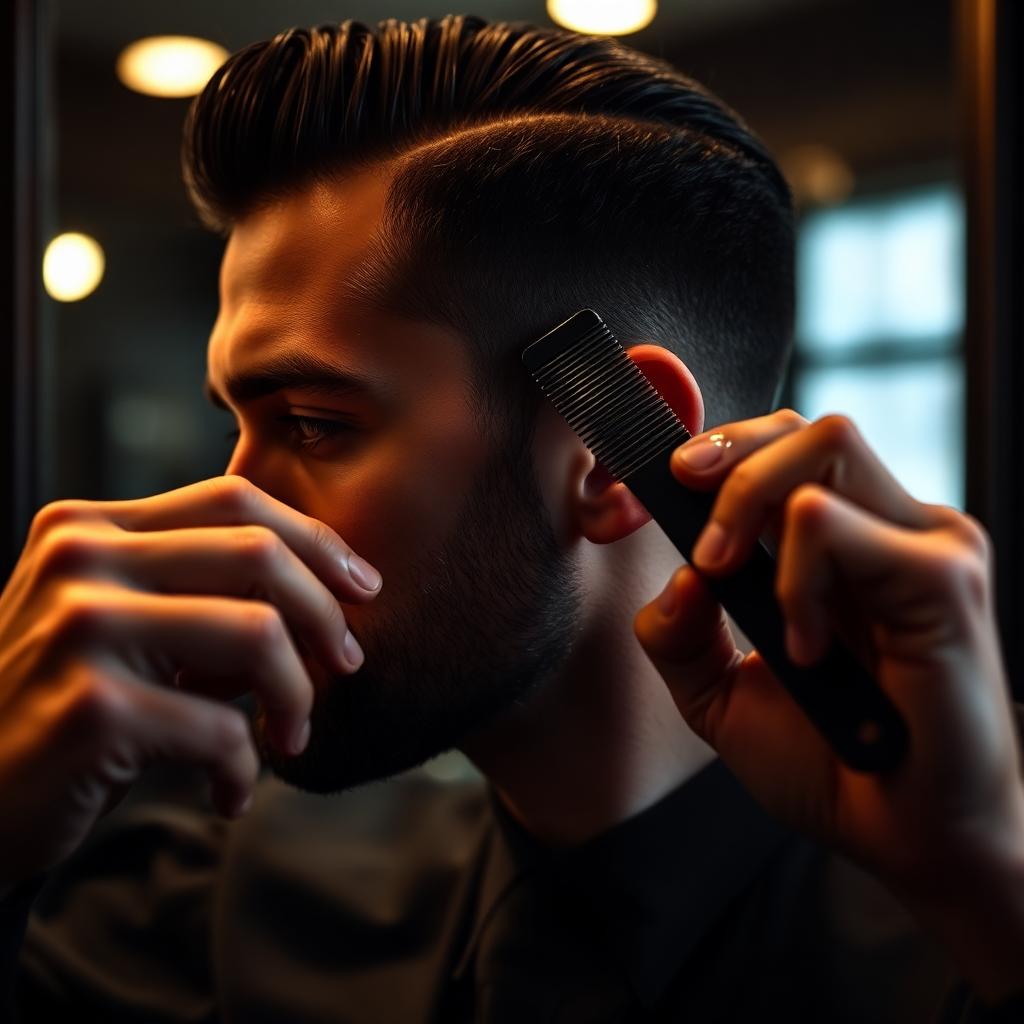
Detangle gently with an appropriate comb before making the final backward strokes. There is no rule that one perfectly straight stroke creates lasting shine or that changing direction ruins the style. Avoid repeated hard combing through a product that has already set stiffly.
Let the finished style settle before touching it again. If using a dryer, choose a comfortable temperature and keep it moving. Do not concentrate heat on the scalp to compensate for insufficient hold.
Protect your hairline and skin
A slick-back does not require a tight ponytail or constant tension. Pain, pulling, or broken hairs around the hairline are signs to loosen the style. Product cannot make repeated traction harmless.
The AAD identifies hair-care products, especially oily ones, as a possible cause of small breakouts along the hairline, forehead, and neck. Keep product away from facial skin where possible, and wash your hands after styling.
If you suspect product-related acne, stop the likely culprit and clean items that transfer residue, including pillowcases, hats, and headbands. Improvement can take several weeks. Persistent or worsening acne warrants dermatology advice rather than aggressive scrubbing.
Washout and tool care
Use a shampoo suited to your scalp and follow its instructions. Massage with fingertips and rinse thoroughly. You should not need to scratch your scalp, scrub with a rough tool, or use household degreasers to remove styling product.
If buildup persists, use less pomade, switch to an easier-rinsing formula, or discuss an appropriate shampoo with a stylist or dermatologist. Repeated harsh washing can cause a different problem, particularly if the scalp is already dry or inflamed.
Remove trapped hair and residue from your comb, then wash it according to its material instructions. Dry before storage. Use clean hands or a clean applicator for a jar, and keep water out unless the manufacturer specifically directs otherwise.
Troubleshooting a slick-back
For hair that falls forward, assess the haircut, growth direction, dampness, and amount used before buying stronger hold. Some short sections simply lack enough length to lie back comfortably.
For flakes, consider dried product, product layering, and scalp conditions. Flaking does not automatically mean a cheap gel is responsible. Stop products that sting and seek advice for persistent scaling or redness.
For a greasy finish, reduce the amount and avoid repeated daily layering. A lighter formula or lower-shine product may suit your hair better than adding powder or repeated shampooing to counteract too much pomade.
Try the style before committing to a large jar
If a smaller size is available, it can help you assess the finish and washout without storing a product that does not suit you. Compare results on ordinary days, including how your scalp feels after washing. Keep notes on the amount used and whether you layered other products. A formula that looks good immediately but repeatedly causes discomfort is not a useful match.
FAQ
Is oil-based pomade bad for everyone?
No. Some people like its flexibility and finish. It may be less convenient to remove and can worsen breakouts for some users, so assess your own scalp and skin rather than treating it as universally harmful.
Do I need maximum hold for thick hair?
Not always. Hair length, cut, moisture, and natural growth direction also matter. A manageable haircut can reduce the amount of product needed.
Does pomade repair damaged hair?
It can change appearance and feel, but it does not permanently mend split shafts or treat hair loss. Seek appropriate advice for significant breakage, thinning, or scalp symptoms.
Bottom line
Choose pomade for the hold and finish you want, easy-enough removal, and skin tolerance. Apply sparingly, comb without pulling, and adjust the haircut or formula rather than adding endless layers. A comfortable scalp matters more than an all-day shine claim.