
Quick Answer
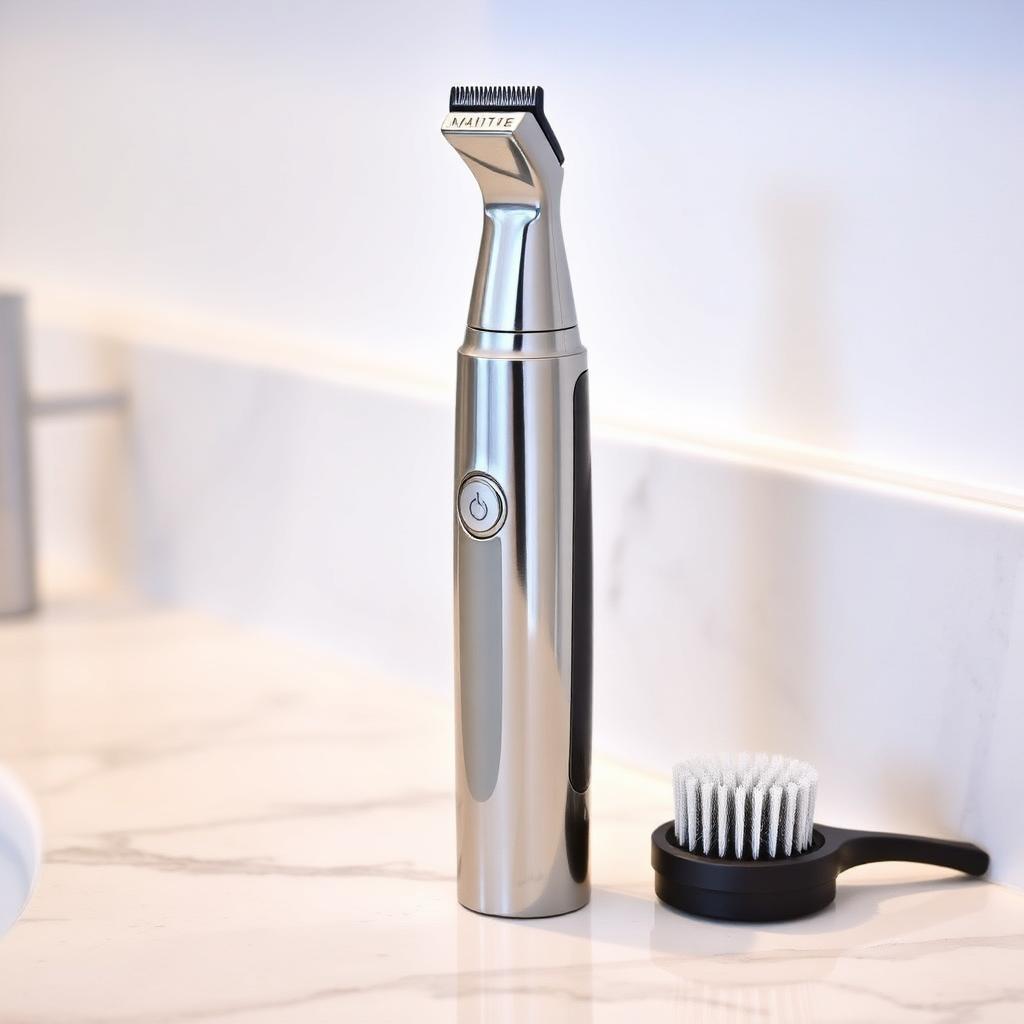
Choose a nose and ear hair trimmer with a fully guarded head, clear instructions for the intended area, and a shape you can control easily. A removable, cleanable head is useful. Motor speed claims matter less than comfortable cutting, intact guards, and reliable maintenance instructions.
Trim only visible hairs at the nostril opening or on the external ear. Do not insert the tool into the ear canal or chase hairs deeper inside the nose. Stop for pain, tugging, bleeding, or irritated skin, and never use a flame, wax, or improvised blade for this task.
Keep the purpose modest
The goal is to shorten a few protruding hairs, not make the inside of the nose or ear hairless. Nose hairs help trap particles. Removing them aggressively creates unnecessary irritation and can damage follicles or the delicate tissue around the nostril opening.
The Cleveland Clinic's nose-hair guidance explains their protective role and recommends cautious grooming rather than plucking. You do not need to justify leaving normal hair alone. Trimming is a cosmetic preference, not a requirement for being clean.
External ear hair is a separate task from cleaning the ear canal. A trimmer does not remove wax safely or treat blocked hearing. If your concern is pain, discharge, itching inside the ear, or reduced hearing, seek assessment rather than putting a grooming tool farther inside.
Compare head designs by control
Guarded rotary heads
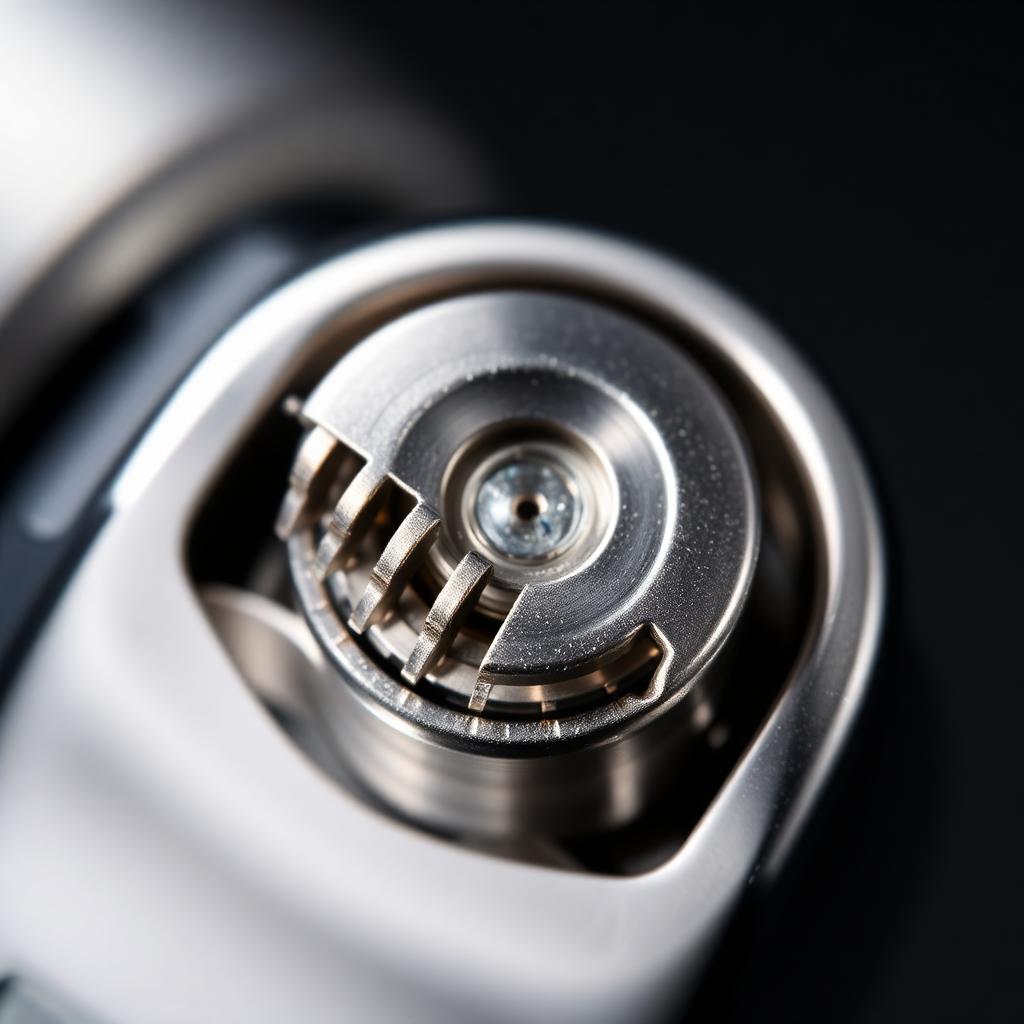
Rotary heads usually place moving cutters behind a slotted cap. Check that the cap is secure, smooth, and undamaged. The guard reduces direct blade exposure, but it cannot guarantee that pressure, poor positioning, or a damaged surface will never cause injury.
Dual-edge and similar descriptions may explain the cutting design, but they are not clinical safety ratings. Avoid selecting solely by a particular advertised revolution count. There is no universal motor-speed threshold here that proves a trimmer will cut every hair painlessly.
Linear detail heads
Some devices use a narrow linear cutter or a dedicated eyebrow attachment. Read which areas each head is intended for. A beard detailing blade with an exposed edge is not interchangeable with a protected nose-hair head, even if it appears small enough.
Use only attachments explicitly intended for the task, fitted as directed. Do not remove the guard to obtain a closer result. If the head is too wide or awkward to position without pressure, choose another approach rather than forcing it into a small opening.
Grip and visibility
A balanced, nonslip handle helps with precise movement. A light may improve visibility, but you still need a bright mirror and a stable position. Avoid trimming while walking, rushing, or sitting where another person or pet might bump your arm.
If vision, tremor, or limited dexterity makes control difficult, consider assistance from an appropriate professional. A more powerful motor does not compensate for poor visibility. Leaving a few hairs is safer than making blind passes inside sensitive areas.
Check cleaning and power requirements
Look for clear instructions identifying which parts may be rinsed. A washable head does not mean the handle or charging base can be submerged. Confirm whether the motor should be off during cleaning and whether any advertised self-cleaning mode requires a specific procedure.
Disposable batteries and rechargeable designs can both be practical. Compare access to replacements, charging arrangements, and the ease of safe battery removal where applicable. Do not assume one power type is always quieter, cheaper, longer-lived, or immune to damage.
Inspect the device before use for a loose cap, bent slots, corrosion, or unusual heat. Stop using a swollen battery, damaged cord, or unreliable switch. Follow disposal instructions for batteries and electrical products rather than continuing to use a faulty tool because it still runs.
Prepare without irritating the tissue
Wash your hands and gently clean visible external skin. Blow your nose if needed, without force, and remove obvious moisture according to the device instructions. Do not scrape crusts, pick sores, or apply alcohol inside the nostrils to prepare for trimming.
Skip grooming when there is bleeding, soreness, a pimple, a cold sore-like lesion, or recent injury around the working area. If you have had nasal or ear surgery, ask the treating clinician when cosmetic trimming is appropriate. General grooming advice cannot account for healing tissue.
I would test the motor and release controls away from the face before positioning the head. Confirm that the guard is attached securely and that the device sounds normal. A sudden pulling sensation is a reason to stop, not to push the head farther in.
Trim only what you can see
For the nose, target hairs visibly protruding from the opening, following the model's instructions without probing inward. Keep contact light and movements small. There is no universal insertion depth that turns every device and nostril shape into a safe combination.
For ears, stay on the visible external ear and accessible protruding hairs only where the attachment is intended to work. Do not place it down the ear canal. The fact that a product says nose and ear does not remove the need to respect its stated anatomical limits.
Stop once the visible ends are tidy. Repeatedly circling the same area for a closer finish can add friction and irritation. Do not press against the lining or use the cutter to remove scabs, wax, or other material that is not simply hair.
Respond to tugging, nicks, and symptoms
If the trimmer pulls, switch off and release it gently according to the instructions. Clean trapped clippings, check power, and inspect the head before another attempt. Replace a damaged or worn cutter rather than compensating with pressure or repeated passes.
For a small external nick, use clean gentle pressure and stop grooming. Persistent bleeding, significant pain, or injury inside the nose or ear requires medical advice. Do not pour disinfectant into either opening or insert tissue deeply to reach a suspected cut.
The Cleveland Clinic's nasal vestibulitis guidance describes infection near the nostril entrance, including sores, crusting, swelling, and pain. Seek prompt care for those symptoms. Painful swelling at the nose tip, a boil, spreading redness, or systemic illness warrants urgent medical attention.
Do not squeeze a painful nasal bump or try to treat it by plucking the nearby hair. A clinician can determine whether infection is present and whether treatment is needed. Repeated grooming over a sore spot can worsen irritation and delay appropriate care.
Clean after use and store dry
Remove clippings and wash only approved components using the manufacturer's method. Let parts dry fully before reassembly or capping. Do not assume alcohol, boiling, machine oil, or running the head under water is suitable for every design.
Keep heads personal rather than sharing them. Store the device protected from damage and away from children. Check the guard before each use, especially after a drop, and replace damaged parts even if the cutter still appears to work.
FAQ
How often should I trim?
Only when visible hair bothers you and the skin is healthy. There is no hygiene requirement for a fixed weekly or monthly schedule. More frequent trimming creates more opportunities for irritation without necessarily improving the result.
Can I pluck a single long hair?
Avoid plucking nose hairs. Trimming the protruding end is the more conservative approach because pulling can damage the follicle. Do not wax inside the nostrils or use fire to remove hair.
Will it help a blocked ear?
No. A hair trimmer is not a wax-removal or hearing-treatment device. Ear blockage, discharge, or pain needs appropriate assessment rather than deeper grooming.
Bottom line
Choose a protected head, precise handling, and clear cleaning instructions rather than chasing speed specifications. Trim only visible ends, stay out of the ear canal, and stop for discomfort. Healthy tissue and safe boundaries matter more than removing every hair.