
Quick Answer
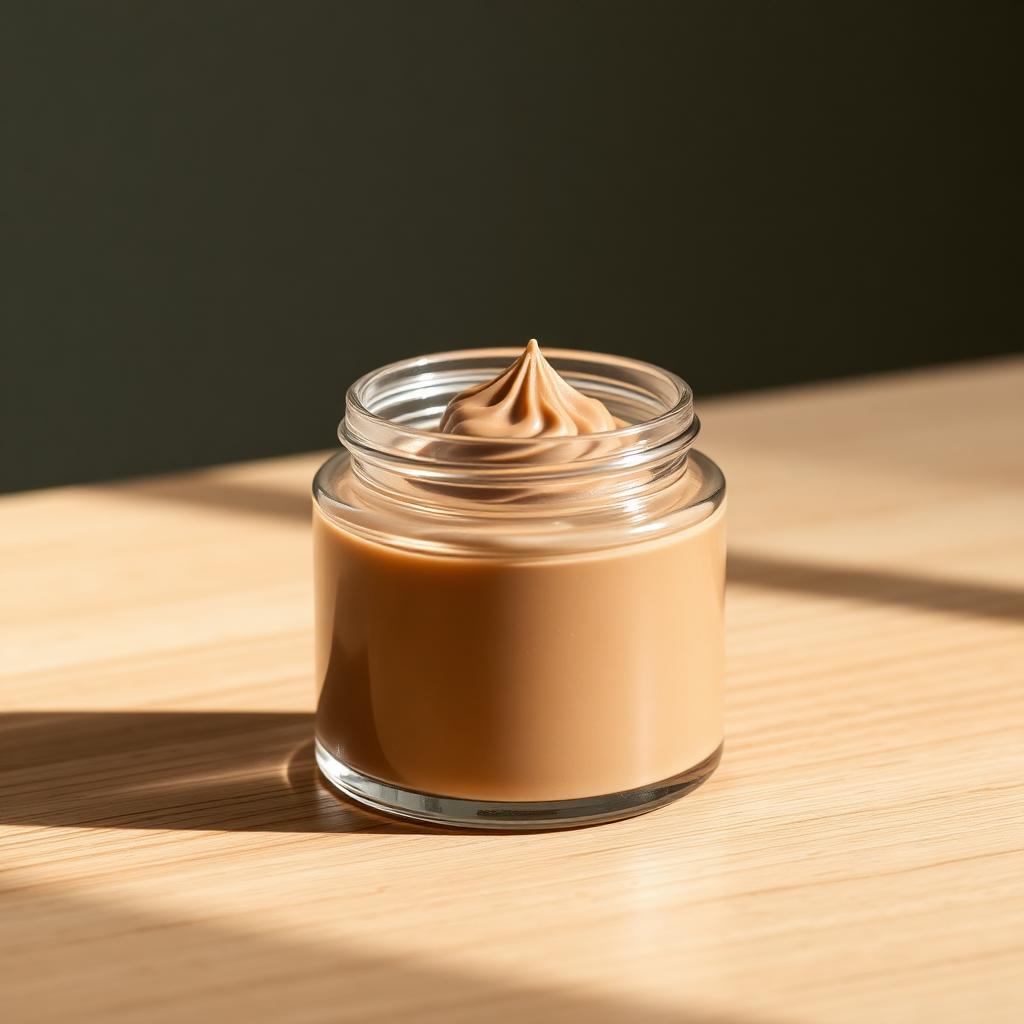
Choose a matte hair paste by the hold you need, how easily it spreads, whether it washes out comfortably, and how your scalp tolerates it. A natural finish usually starts with a small amount distributed evenly, not a particular brand or a long ingredient wish list.
I would start with a flexible light-to-medium hold for a casual look and increase only if the style collapses. Clay, fiber, paste, and pomade labels overlap, so the finished result matters more than the category name on the tub.
Define the result before shopping
Matte generally describes a low-shine appearance. It does not mean a product contains no oils, works identically on every hair color, or cannot leave visible residue. Texture, haircut, product quantity, and the way light hits the hair all influence the finish.
Ask whether you want a soft crop, separated curls, a loose side part, or a taller style. Those goals need different levels of structure. A very firm product may hold well but feel less natural when touched or restyled.
Hair length matters too. A paste designed to add separation to short hair may feel heavy through long hair. Fine hair may collapse under a rich formula, while coarse hair may need more conditioning and less dry drag. There is no universal best paste for everyone.
Read claims without overinterpreting ingredients
Clays can add a dry feel
Kaolin and bentonite appear in some low-shine styling products. Their presence does not prove zero shine, superior volume, or suitability for sensitive skin. The whole formula and the amount you use matter more than spotting one ingredient.
A very dry paste may feel rough when worked through fragile hair. If styling requires forceful pulling, choose something easier to spread. Do not keep adding water, oil, or another product to the tub to change its texture, since that alters the formulation and may introduce contamination.
Waxes and polymers provide structure
Waxes and film-forming ingredients can help hold a shape, but an ingredient list does not reveal a simple formula for strength. Position on the label does not let you calculate exact hold or compare two products as though everything else were identical.
Similarly, a product called fiber does not necessarily contain a specific protein, and a pomade is not always shiny or rigid. Treat those words as broad styling descriptions rather than regulated performance guarantees.
Fragrance and individual tolerance
Fragrance and botanical extracts can irritate some people. If you have a sensitive scalp or a known allergy, review the label and consider fragrance-free options. Natural does not mean nonallergenic, and a pleasant scent does not indicate scalp benefits.
There is no sound reason to reject all silicones, mineral oil, or fatty alcohols based on arbitrary concentration rules that the label does not disclose. Instead, judge how the finished product behaves and stop using it if it causes symptoms.
A simple first-use method
Read the product directions because some pastes are intended for damp hair and others work best on dry hair. For many textured low-shine styles, fully dry hair makes it easier to assess the final volume and finish before adding more product.
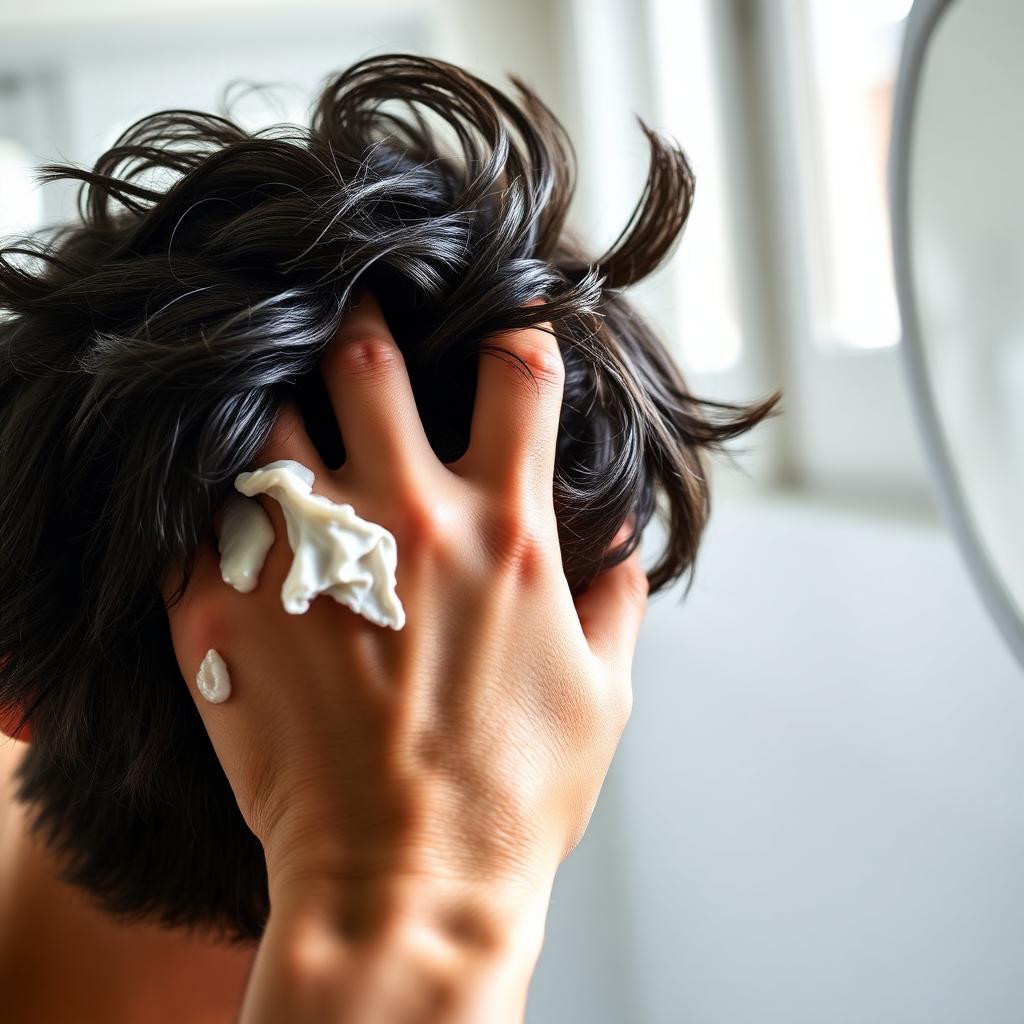
Take a small dab, less than you think you need. Rub it between clean palms until it spreads evenly. Dense pastes may need a little warmth from your hands, but there is no need to heat the container or use an external heat source.
Distribute lightly through the back and sides before adding product to the visible front. Avoid placing the entire amount at the fringe or directly on the scalp. Work through the hair without scratching the skin or aggressively raking through tangles.
Shape with fingertips for separation or a suitable comb for a more defined part. A comb is not forbidden, but be gentle. The American Academy of Dermatology cautions that combing after applying long-lasting hold products can cause breakage, so avoid repeatedly forcing through a stiff set.
Pause and look in ordinary light before adding another small amount. More paste may increase hold but also increase weight and residue. If a style needs a large quantity to stay up, the haircut or a different styling approach may be the better solution.
Match the application to your hair
For fine hair, begin with minimal product and keep heavy buildup away from the roots. A lighter texture or shorter haircut may create more lift than a stronger paste. Avoid assuming that a clay-heavy product automatically adds volume without weight.
For thick or coarse hair, prioritize spreadability. A product that moves through the hair easily can be more practical than the strongest available hold. Sectioning helps distribute a small amount instead of coating only the outer layer.
For curls and coils, preserve the moisture and definition your routine already provides. A dry paste may be useful only for small finishing details. You do not have to straighten or blow-dry your hair to make a product category work.
For bleached or fragile hair, use extra care with friction and tension. Heat is optional, and repeated hot restyling can add damage. If you use a dryer, choose lower heat and stop once the hair is dry.
Solve common problems systematically
White specks may come from too much product, poor distribution, buildup, or incompatibility with another styling layer. Try a smaller amount on freshly washed hair before buying a stronger formula. Do not assume every flake is residue if the scalp itself itches or sheds.
Greasy-looking roots usually call for less product or a lighter formula, not more powder piled on top. A flat style may also reflect application to wet hair when the product works better dry. Change one variable at a time so you can identify what helps.
If the scalp burns, develops a rash, or becomes persistently itchy, stop the product and cleanse gently. Seek medical advice if symptoms continue. A styling cosmetic is not a treatment for dandruff, psoriasis, infection, or unexplained hair loss.
Care and removal
Keep the lid closed and use clean hands. Store according to the label, away from excessive heat. Discard a product that changes unexpectedly in smell, appearance, or texture, and do not dilute it to make an old tub last longer.
Wash according to your scalp and hair needs, focusing shampoo on the scalp and conditioning appropriately. Water-based does not guarantee that a single quick rinse removes every formula. Avoid harsh repeated scrubbing just to achieve a squeaky feel.
FAQ
Does matte paste cause hair loss?
A product category alone does not establish a cause. Irritation, forceful styling, and breakage deserve attention, while persistent shedding or thinning needs medical assessment. Stop products that cause symptoms rather than assuming they are harmless.
Can I restyle the next day?
Follow the directions and judge buildup and comfort. Some flexible formulas can be reshaped, but repeatedly layering more product may become heavy. Cleanse when needed rather than following a rigid rule for every scalp.
Bottom line
Choose flexible performance, easy distribution, and a comfortable scalp. Start small, follow the label, and adjust technique before chasing stronger hold. A natural matte look comes from suitable hair care and restrained application, not an invented universal ingredient formula.