
Quick Answer
I would not recommend an at-home chemical lash-lift kit as a beginner's purchase. These products reshape lashes with chemicals used very close to the eye, where a slip can cause irritation, chemical injury, or damage to the eye surface. A low odor, a silicone shield, or a nourishing finishing oil does not establish safety.
If you want lifted lashes, consider a conventional eyelash curler used carefully on clean lashes or discuss the risks of a professional service with an eye-care clinician. A salon appointment is not risk-free, and adding a tint introduces separate product and color-additive concerns.
What a lash lift actually changes
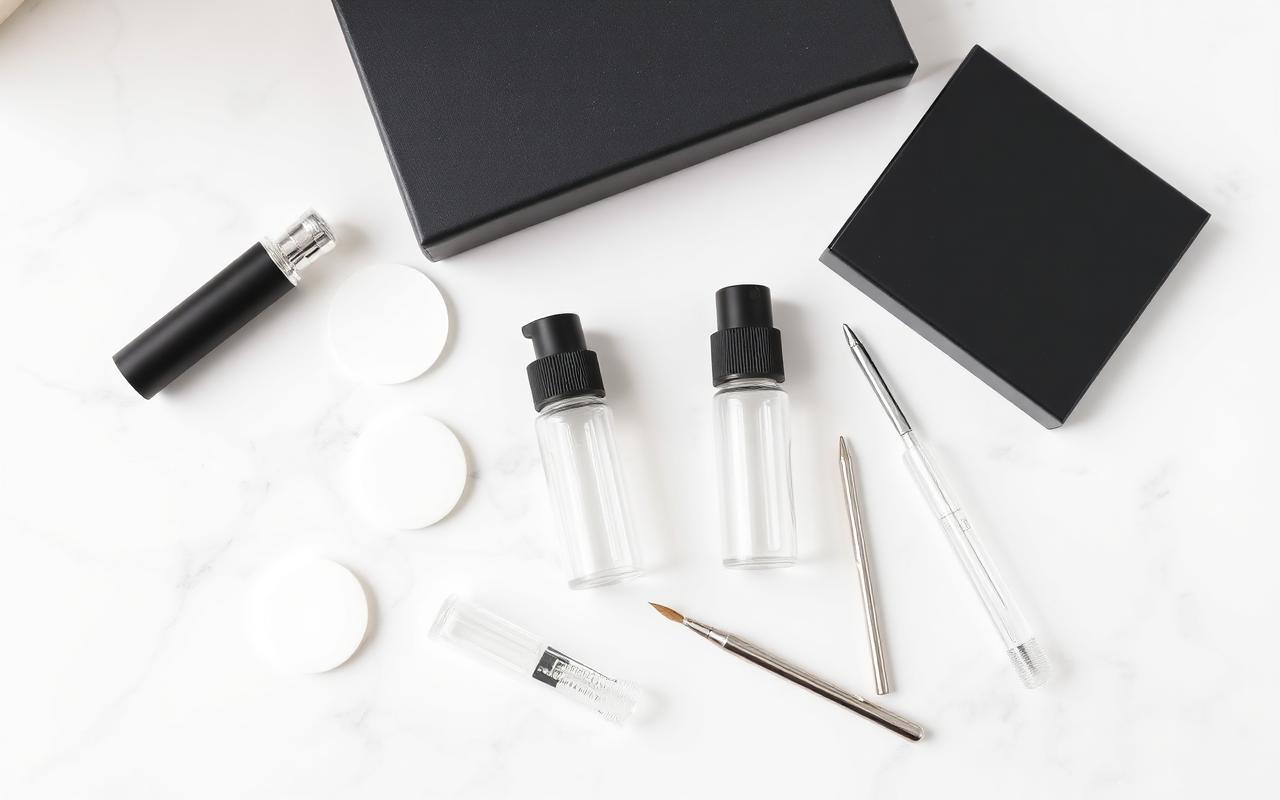
A lash lift chemically changes the shape of existing eyelashes. It does not grow new lashes or treat thinning. Products typically include a reshaping solution and a setting step, with an adhesive and a shield to position the hairs.
The important point is proximity to the eye, not whether the process sounds like a gentle beauty treatment. Eyelid skin is sensitive, and the cornea can be injured by chemicals or an applicator. Working on your own closed eyelids also makes it difficult to see and control placement.
Results and duration vary with the product, lash condition, technique, and normal shedding. Claims that everyone gets a certain number of weeks or that a particular shield size prevents overprocessing are too definite to guide a beginner safely.
Why a beginner kit checklist is not enough
A complete box is not the same as a safe procedure. Multiple shields, disposable applicators, and clear labels are useful information, but they cannot remove the risk of chemical migration or accidental eye opening. There is no universal safe processing time across products.
Do not substitute scalp-hair perm solution, hair dye, extension glue, or another brand's setting lotion. Different products are not interchangeable. A generic online sequence that pairs equal processing times or tells everyone to treat the same section of lash is not a substitute for product-specific directions.
Terms such as gentle, professional strength, keratin enriched, natural, or cosmetic grade do not prove that a formula cannot burn or trigger allergy. Low odor is not a reliable measure of irritancy, and an oil applied afterward cannot undo chemical damage.
What authoritative eye guidance emphasizes
The American Academy of Ophthalmology describes risks associated with eyelash enhancement procedures, including chemical exposure and allergic reactions. FDA eye-cosmetic guidance emphasizes cleanliness, appropriate product use, and stopping use when irritation occurs. Neither supports treating a consumer kit as harmless because it is sold online.
Do not confuse a cosmetic listing with FDA approval of the finished kit. Cosmetics generally do not undergo the same premarket review as drugs. Color additives have their own legal requirements, and FDA specifically warns against dyeing or tinting eyebrows or eyelashes at home.
A lift and a tint are different services even when sold together. You can decline the tint. A product marketed for brows or scalp hair is not automatically appropriate for eyelashes simply because it changes hair color.
Questions to ask before a professional service
Ask who will perform the treatment, what training and local credentials they hold, and how often they work near eyes. Ask for the exact product name, ingredient information, expiry details, and a copy of its warnings before the appointment rather than after a reaction.
Discuss previous reactions to cosmetics, adhesives, dyes, or perm products. Mention dry eye, eyelid inflammation, eye surgery, and any current eye medication. Your eye-care clinician can advise whether an elective lash procedure is sensible for your particular situation.
Look for clean hands, fresh disposable applicators, and appropriate cleaning of reusable equipment. Shared products and contaminated tools can introduce infection. A practitioner should be willing to stop immediately if discomfort develops, not explain burning as proof that the treatment is working.
Ask how they manage accidental eye exposure. A credible answer involves immediate rinsing and appropriate medical assessment, not simply neutralizing the chemical with another beauty product. Avoid a provider who minimizes eye pain or refuses to identify the formula.
Patch testing has limits
Follow any manufacturer-directed allergy test if a professional is considering the product, but understand what that test cannot tell you. A negative skin test does not prove that a substance is safe on the eye surface or guarantee that a later allergic reaction will not happen.
Do not place lash chemicals on eyelids as an improvised patch test. General skin-care testing advice is not a validated do-it-yourself protocol for an eye-area chemical procedure. If you have a history of contact allergy, seek individualized advice rather than increasing test strength or duration.
Skip treatment while the eye area is inflamed, infected, sore, or recovering from injury. Trying to make lashes look better during an active problem can delay diagnosis and worsen irritation.
Safer everyday alternatives
For a temporary curl, use a clean, intact manual eyelash curler without pulling. Check that the pad is seated and not split. Use it before mascara, avoid pinching the lid, and stop if it catches or hurts. Never heat an ordinary metal curler with a flame or hair dryer.
If using mascara, choose a product intended for the eye area, keep it closed, and do not share it. Do not add water or saliva to restore a drying tube. Remove makeup gently and avoid rubbing or tugging at lashes.
Leaving lashes untreated is also a reasonable option. You do not need to replace a chemical lift with extensions, growth serums, or another procedure that may introduce different risks. Discuss unexplained lash loss with a clinician rather than masking it with repeated treatments.
If something goes wrong
If a solution enters the eye, begin rinsing immediately with plenty of lukewarm running water or saline. Remove contact lenses if readily possible and keep flushing. Do not delay irrigation while looking for a kit-specific remover, and do not try to neutralize the product with another chemical.
Contact a poison center or urgent medical service for exposure-specific instructions. Eye pain, light sensitivity, blurred vision, persistent redness, or difficulty opening the eye needs prompt eye-care assessment. Bring the packaging or ingredient information if available.
For lid itching or swelling after a service, stop eye cosmetics and seek medical advice. Do not perform another lift to correct the shape, apply essential oils, or use someone else's prescription drops. Record the product and timing so the cause can be investigated.
FAQ
Is a professional kit better for a beginner?
Not necessarily. Professional-use labeling does not make self-application appropriate. It may assume training and another person controlling the procedure.
Can I fix overcurled lashes the next day?
Do not repeat chemical processing as an at-home repair. Ask an eye-care clinician about symptoms and discuss damaged lashes with a qualified professional only after safety concerns are addressed.
Does finishing oil prevent brittle lashes?
It may condition hair cosmetically, but it cannot guarantee protection from excessive processing or restore a chemically injured eye. Avoid getting oils or unapproved remedies into the eye.
Bottom line
For beginners, the best decision is usually not buying a chemical lash-lift kit. Prioritize eye health, consider temporary mechanical styling, and ask informed questions if pursuing a professional service. Burning, vision changes, and persistent redness are reasons to stop and obtain help, not normal steps toward a better curl.