

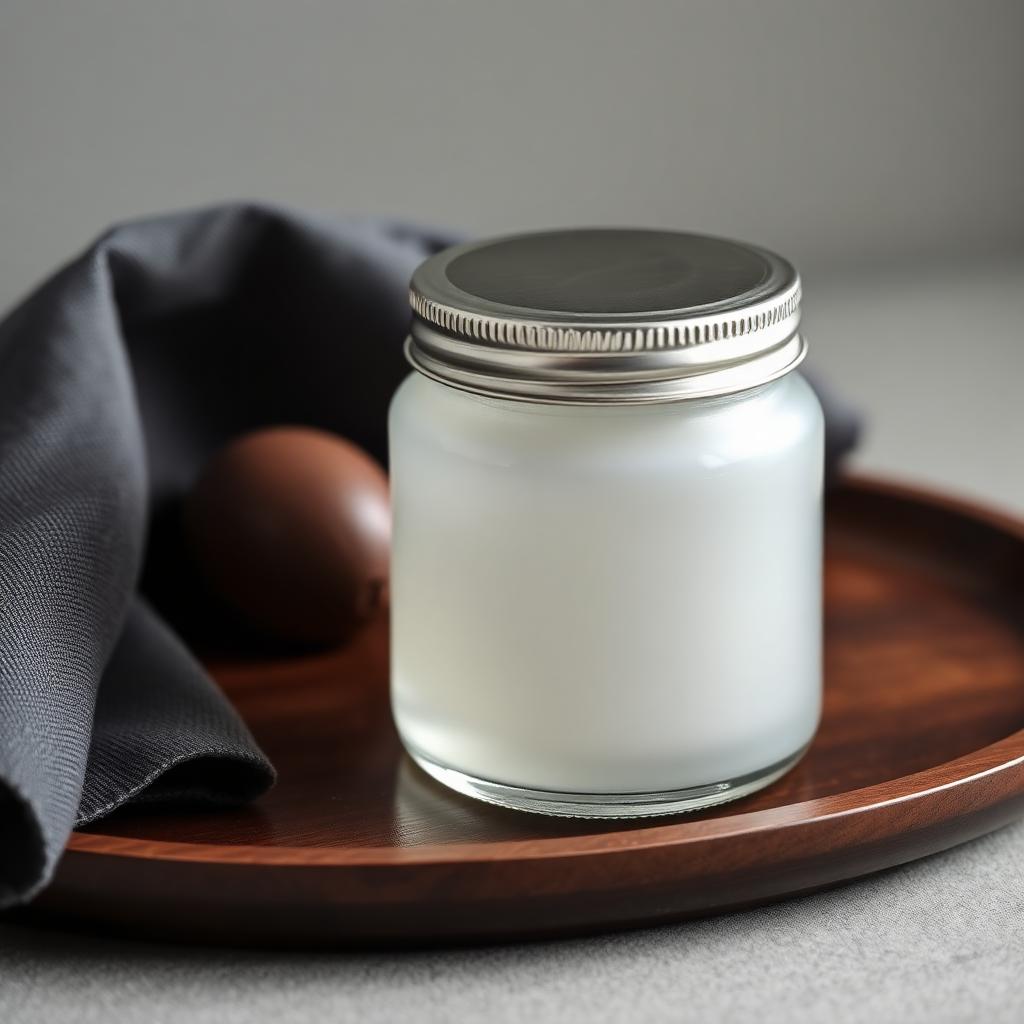
Quick Answer
Choose an eye cream according to the concern you want to address and what your skin tolerates, not simply because the package says men over 40. A gentle fragrance-free moisturizer may be enough for dryness, while some fine-line treatments require more caution around the eyes.
I would start with comfortable hydration and daily sun protection before adding an active ingredient. No cream can reliably erase inherited under-eye hollows, remove every dark circle, or replace evaluation of new swelling or irritation.
Identify the concern before shopping
Dryness, fine lines, puffiness, pigmentation, and shadows from facial structure can look similar in a bathroom mirror. A product that temporarily improves dry creases may do little for a deep hollow. Taking a photograph in consistent daylight can help you decide what you actually want to change.
Age alone does not identify the right formula. Someone in their forties with oily, reactive skin may prefer a different texture from someone with dry skin and no sensitivity. Men do not need a special ingredient category merely because of gendered packaging.
The American Academy of Dermatology recommends starting an anti-aging routine with sunscreen and moisturizer, then targeting one remaining concern. This approach is usually easier to assess than introducing several serums and creams at once and trying to guess which caused a reaction.
Compare ingredients realistically
Moisturizing ingredients
Glycerin and hyaluronic acid help attract water, while ingredients such as ceramides and emollients support a comfortable skin barrier. Judge the complete formulation and your response rather than assuming that a longer ingredient list guarantees better hydration.
An ordinary facial moisturizer may work around the orbital area if its directions allow and it does not irritate. Eye-specific products can offer a convenient texture or formulation, but there is no universal rule that face moisturizer blocks tear ducts or is automatically too heavy.
Retinol and other retinoids
Retinoids can improve some signs of photoaging, including fine lines, but can also cause dryness and irritation. The eye area deserves particular care. Choose a product specifically labeled for the intended area and follow its instructions instead of moving a strong facial treatment closer to the lashes.
A higher percentage is not automatically a better choice. Formulation, frequency, other products, and individual sensitivity all affect tolerance. If you have eyelid eczema, significant redness, dry-eye symptoms, or a history of reactions, ask a dermatologist before experimenting near the eyes.
Caffeine, peptides, and brightening claims
Caffeine-containing products may temporarily improve the appearance of some puffiness, but effects vary and do not address every cause of dark circles. There is no universal concentration or minute-by-minute result that every shopper should expect from every formula.
Peptides and antioxidants appear in many products, but evidence depends on the ingredient and finished formulation. Avoid treating a named peptide complex as a guarantee of collagen replacement or zero irritation. Cosmetic claims deserve realistic expectations, especially when a seller promises dramatic lifting without qualification.
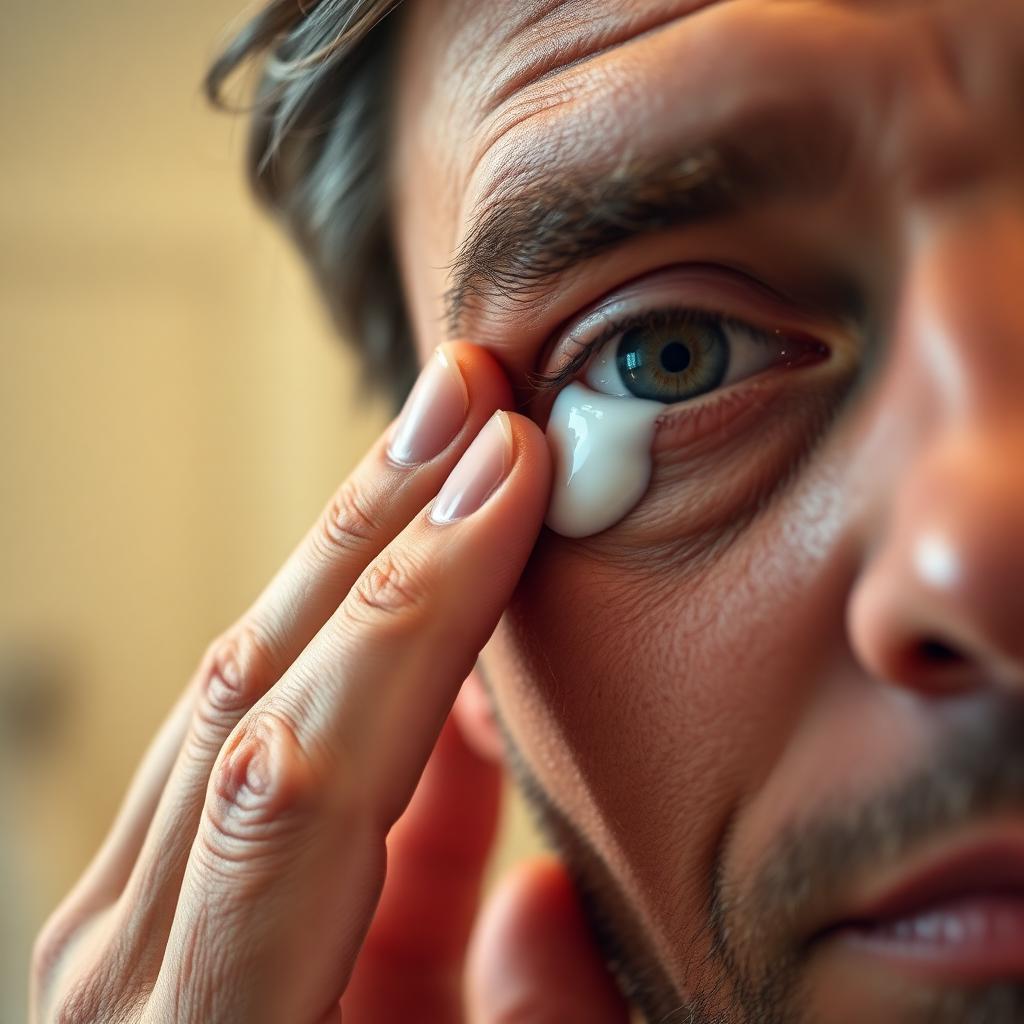
The image illustrates gentle application, not a required finger or dose. Using a light touch matters more than whether you use the ring finger, and the right amount comes from the product's own directions rather than a universal pea-sized rule.
Choose packaging and labels thoughtfully
Look for clear directions, a complete ingredient list, an identifiable manufacturer, and appropriate storage information. Fragrance-free is useful when sensitivity is a concern; unscented can still involve masking fragrance. Essential oils are not automatically gentler than other fragrance ingredients.
A pump or narrow opening can make dispensing convenient, but packaging alone cannot establish that a product is contamination-proof. Jars and applicators can be used hygienically if handled correctly. Do not assume a metal tip is inherently unsafe or a pump makes cleaning unnecessary.
Buy from a reputable source and avoid decanted products without labels. Compare the amount of product and how much you need per application, not just the price of the container. Expensive does not necessarily mean more effective or more appropriate for sensitive skin.
Introduce the product slowly
The AAD recommends testing new skin-care products on a small area twice daily for seven to ten days, following the normal use directions. A negative test does not guarantee the eyelid area will tolerate a product, but it can help identify some reactions before broader use.
Begin with one new product. If it contains an active ingredient, follow its introduction schedule and do not simultaneously add exfoliating acids or another retinoid. Applying more often than directed is more likely to increase irritation than produce faster useful results.
Stop if you develop persistent stinging, redness, swelling, scaling, or worsening discomfort. Do not interpret all irritation as a necessary adjustment phase. If a product gets into the eye, follow its first-aid directions and seek medical advice for ongoing pain or visual symptoms.
Apply with a light hand
Wash your hands, cleanse gently, and dispense the directed amount. Place product only where the label allows, avoiding the lash margin and the eye itself. Do not apply to broken skin or assume the upper eyelid is included in instructions for the under-eye area.
Spread gently without tugging. There is no requirement to wait exactly ninety seconds before the next product, although allowing a layer to settle can reduce pilling. Use sunscreen during the day and choose sunglasses and shade for additional protection.
For pilling, try less product and allow layers to dry before adding more. If migration causes watering or burning, stop and reassess placement and formula. A richer cream may suit dry skin yet be uncomfortable for someone whose products easily enter the eyes.
Care, storage, and evaluating results
Close the container after use and store it as directed, away from excessive heat and direct sunlight. Avoid sharing applicators. Do not add water, oils, or another product into the container, because that changes the preserved formula.
Follow any expiration date or period-after-opening symbol. Discard products that change unexpectedly in smell, color, or texture. Refrigeration is not automatically necessary, and freezing may damage some formulas. A cool sensation is not evidence of longer-term benefit.
Assess comfort first, then visible change over time using similar lighting. Hydration can make skin look smoother without permanently changing deeper lines. Avoid escalating treatment solely because a close-up mirror still shows normal texture or because advertising promised instant transformation.
FAQ
Can eye cream remove bags permanently?
Not reliably. Puffiness has several causes, and structural changes may not respond meaningfully to cosmetics. Persistent or bothersome bags deserve a discussion with a qualified clinician about the cause and realistic options.
Should I use it twice daily?
Only if the directions recommend that frequency and your skin tolerates it. Some active products are intended for evening use. More applications are not automatically better, particularly near sensitive eyelid skin.
When is swelling a medical issue?
New one-sided swelling, pain, significant redness, discharge, or visual changes should not be treated as a shopping problem. Seek prompt medical advice, particularly when symptoms arise suddenly or follow a new product.
Bottom line
Choose eye care by concern, tolerance, and clear directions. Start with hydration and sun protection, introduce actives cautiously, and keep expectations modest. The right product should improve comfort without causing a new eyelid problem or promising to erase normal aging.