
Quick Answer
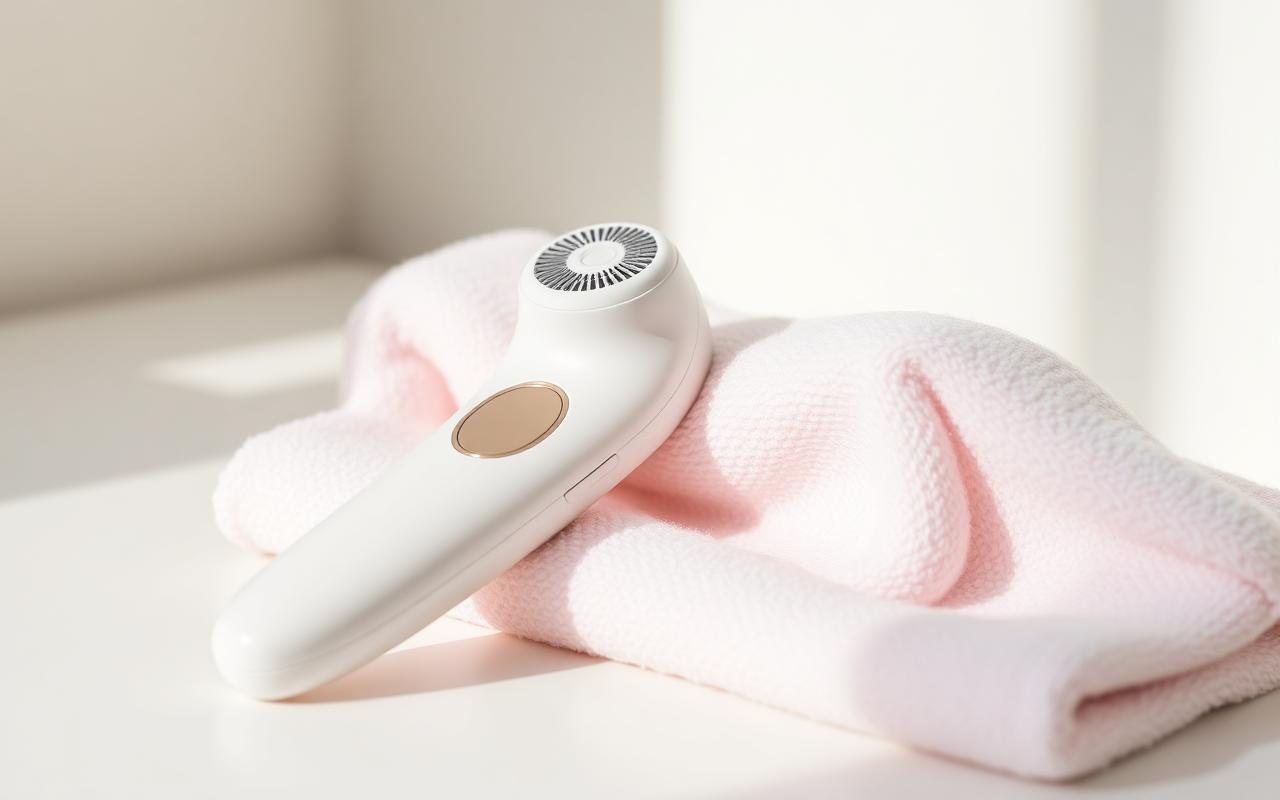
Choose an epilator that explicitly permits use on legs and underarms, has a head you can control, and comes with clear cleaning and safety instructions. A smaller attachment or guard may help in curved areas. Tweezer count and a high price do not guarantee comfortable hair removal.
An epilator pulls hairs out rather than cutting them at the surface. Results and discomfort vary. It does not permanently remove hair, and there is no reliable basis for promising everyone several hair-free weeks or a fixed reduction in pain from warm water.
Understand what the tool can do
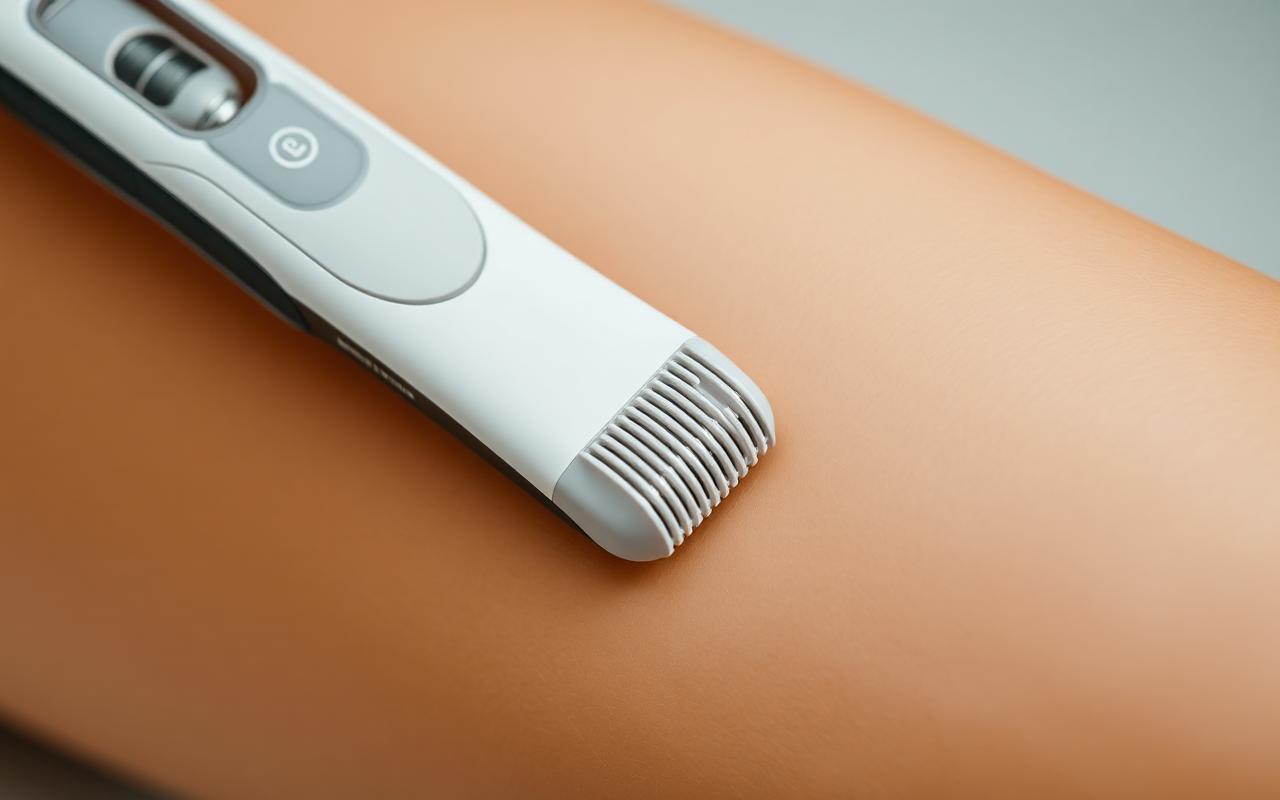
Mechanical epilators use rotating elements to grip hairs and pull them from the follicles. Hair grows in different stages, so some hairs can appear sooner than others. You may also miss short hairs or break them rather than removing them fully.
Do not confuse an epilator with a light-based home device or an electric shaver. They have different instructions, risks, and expected results. Read the description of the actual model rather than relying on a retailer's broad hair-removal category.
Repeated epilation is not a guaranteed route to finer or permanently reduced hair. You also should not assume regrowth will be free of ingrown hairs. Pulling hair can irritate follicles, especially with repeated passes or unsuitable technique.
Features that improve control
A comfortable handle, easy-to-reach switch, and a head that fits the treatment area are practical priorities. A wide head covers legs efficiently but may be awkward in a hollow underarm. A light can help visibility but does not make a difficult area safe automatically.
Check whether the device is dry-use only or approved for wet use. A rinseable attachment is not the same as a shower-safe handle. Follow electrical instructions, and never improvise wet use while the tool is connected to mains charging equipment.
Check the recommended hair length and any trimming preparation. There is no universal minimum length that applies to every epilator. Longer hair may need shortening with an appropriate tool before you start, according to the manual.
Plan a cautious first session
Read the contraindications and speak with a clinician first if you have a condition affecting sensation, circulation, wound healing, or infection risk. Do not epilate over active eczema, broken skin, sunburn, irritated follicles, raised lesions, or a suspicious changing spot.
Try a small area on the leg before attempting both legs and underarms. Allow time to see how the skin responds. Do not schedule your first experiment immediately before an event when redness would be difficult to manage.
Clean the skin and tool as instructed. Avoid adding exfoliation immediately before or after just because an online routine recommends it. Combining friction, pulling, and exfoliating products may make irritation worse rather than preventing ingrown hairs.
Legs and underarms need different handling
For legs, work in manageable sections and use the angle and direction specified by the device maker. Keep the skin supported and move slowly enough for the head to work without grinding over one patch repeatedly.
Underarm hair often grows in more than one direction, and the skin forms folds. Raise the arm into a stable position and follow instructions for keeping the treatment surface flat. If you cannot see or reach the area safely, do not continue blindly.
Use the intended attachment and a comfortable setting. Lower speed may feel easier for one person but prolong the session for another. Stop for sharp pain, pinching, bleeding, or a head that catches skin rather than trying to tolerate it.
Aftercare and recurring problems
Treat freshly epilated skin gently. If deodorant, fragrance, hot water, or tight clothing stings, avoid that exposure while the area settles. Do not pick bumps or dig out hairs with a needle.
If hairs seem to remain, distinguish missed growth from broken shafts. Check recommended length, head cleanliness, movement speed, and angle. Do not increase pressure or repeat a painful area until it is raw.
Clean removable components exactly as directed and let them dry before storage. Replace damaged heads or guards. Sharing a personal hair-removal tool is not a good shortcut, particularly when skin irritation or infection is present.
Keep the surrounding skin routine simple
Before adding a new grooming step, consider what already touches the area. Retinoids, exfoliating acids, benzoyl peroxide, recent hair removal, and fragranced products can change how easily skin becomes irritated. Do not introduce several new products or techniques together and then assume you know which one caused a reaction.
Use lukewarm water and a gentle cleanser rather than trying to scrub the skin perfectly clean. Pat dry with a clean towel. Afterward, choose a moisturizer appropriate for your skin type; fragrance-free options are sensible when products tend to sting. Oily or acne-prone skin may do better with products labeled non-comedogenic.
Exfoliation is optional. The AAD cautions that mechanical exfoliation can worsen redness, dryness, or acne, particularly when combined with irritating treatments. More friction is not evidence of a better result. If skin already feels raw, itchy, hot, or tight, leave it alone rather than repeating the procedure to fix its appearance.
Protect exposed skin from the sun with clothing and a broad-spectrum sunscreen rated SPF 30 or higher. Irritation can leave persistent discoloration, especially in people who readily develop dark marks after inflammation. Avoid treating a fresh tan, sunburn, unexplained rash, open wound, or changing skin lesion as a cosmetic grooming problem.
Stop if you develop pain, bleeding, blistering, or significant swelling. Seek medical advice for spreading redness, warmth, pus, persistent symptoms, or a reaction that is getting worse rather than settling. A product advertised for sensitive skin can still cause a reaction, and no home grooming tool replaces diagnosis of a recurring problem.
FAQ
Does epilation hurt less every time?
Some people find later sessions easier, but that is not guaranteed. Severe or persistent pain is a reason to stop, not a normal milestone you must overcome to make the device work.
Is wet epilation always better?
No. Use water only with a model approved for it. Comfort is individual, and a warm shower does not open pores like doors or guarantee a particular percentage reduction in pain.
Can I use a leg epilator on intimate skin?
Not unless the exact model and attachment explicitly permit that area. Underarm approval does not imply approval for genital skin or mucous membranes. A guarded trim may be a more manageable alternative.
Bottom line
Buy for approved treatment areas, control, cleanability, and clear instructions. Test cautiously, keep pressure light, and accept that regrowth and comfort vary. An epilator is optional, and switching methods is reasonable if your skin does not tolerate it.