

Quick Answer
Choose a body groomer with a secure guard, a comfortable grip, clear instructions for the body areas you intend to trim, and readily available replacement parts. Start with a longer guarded cut and reduce length only if the result and your skin feel comfortable.
No ceramic blade, foil head, or skin-safe slogan makes a groomer cut-proof. Check wet-use permissions carefully, keep charging equipment dry, and avoid any area you cannot see and reach safely.
Match the tool to the areas you groom
Chest, abdomen, underarms, back, and groin differ in skin mobility and visibility. A broad head can cover a flat chest efficiently, while a smaller one may be easier to position around curves. Neither shape establishes universal safety below the belt.
Read the manual's permitted and excluded body areas. A product intended for general body hair may exclude genital skin, the face, or sensitive folds. Do not assume a bikini or intimate marketing label authorizes contact with every surface nearby.
I would prioritize a secure comb and good visibility over motor speed or the number of attachments. If the only way to reach your back involves twisting with a bare cutter you cannot see, leave it alone or seek suitable professional help. More reach does not necessarily mean more control.
Evaluate the guard before the blade material
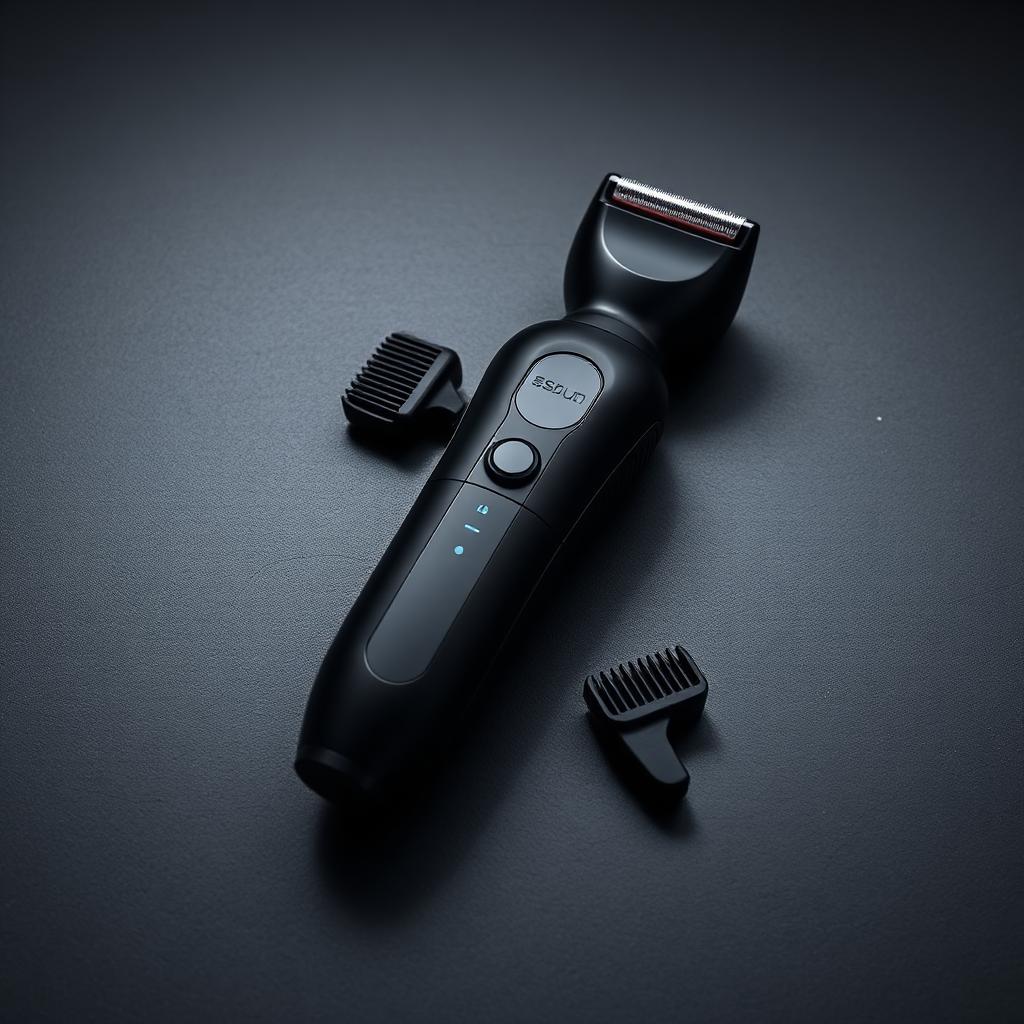
Look for guards that attach positively and do not flex excessively during ordinary handling. Inspect the teeth for cracks, rough edges, and gaps. A comb must remain between skin and cutter in its intended position to provide its designed protection.
Choose a length range that includes a conservative starting point, not only very short settings. Displayed lengths are useful references rather than guarantees on every hair type. You do not need a prescribed number of guards if one secure adjustable comb covers your actual needs.
Ceramic and steel heads vary in quality, construction, and maintenance requirements. Neither material guarantees a cooler or safer trim. Stop if any head becomes uncomfortable, and do not trust a balloon-cutting demonstration as evidence of safe use on loose or folded skin.
Foil and trimmer heads do different jobs
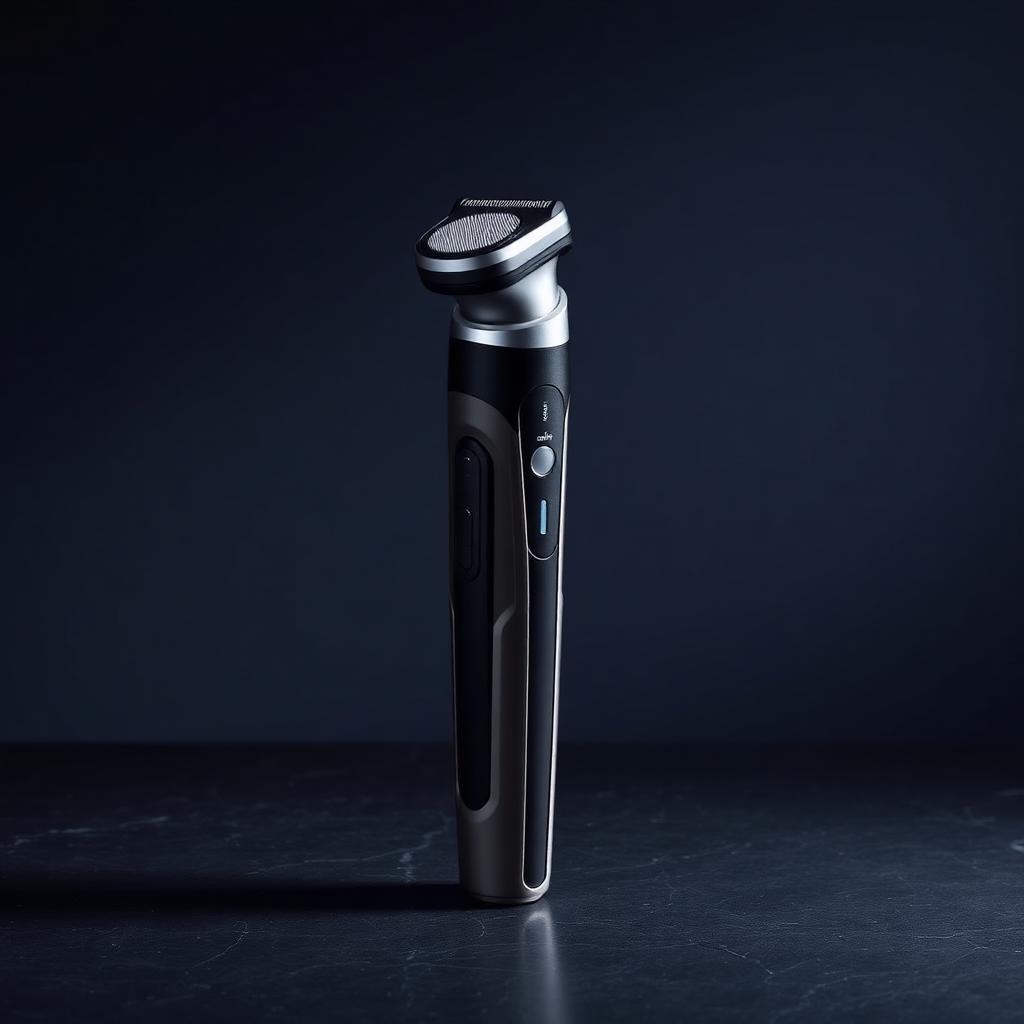
A guarded cutter leaves visible hair. A foil shaver can cut closer, but greater closeness may also mean more irritation or ingrown hairs for some people. Choose a foil only if the area and your skin tolerate it and the manual permits that use.
Check foils for dents or holes before every use. A damaged foil can expose the cutting parts. Do not continue because the motor still works, and do not remove a protective component to achieve a closer result.
Understand water and power claims
Read separately whether the head can be rinsed, the whole handle is washable, and the device may be used in a shower. Those permissions are not interchangeable. A water-resistance rating alone does not authorize every type of immersion or operating condition.
Follow charging instructions, use the specified power supply, and never charge a wet device. Keep mains-connected equipment and adapters away from the bath and shower. Do not infer that a cordless product is safe to use while plugged in because its cable is long enough.
Battery indicators can help avoid an interrupted session, but there is no minimum runtime that makes a groomer safe. Consider your normal session length, charging time, replacement support, and grip with your own hands rather than buying to a universal specification list.
A cautious first body trim
Work in good light on a stable, nonslip surface. Clean the skin and prepare hair according to the device instructions; many guarded trimmers work well on dry hair. Do not add oil, powder, or shaving cream unless permitted, because these may affect cutting or cleaning.
Fit a longer guard securely, then test a small, easily visible area. Use slow strokes and light contact. Change angle in small steps where hair changes direction rather than repeatedly pushing against the same patch.
Keep away from moles, skin tags, wounds, inflamed follicles, and rashes. Do not skim a raised lesion with a bare head. If you need to move skin gently to flatten a fold, keep fingers well away from the cutter and stop whenever the surface cannot be made clearly visible and stable.
Use particular caution in the groin. Follow only the device's explicit instructions for allowed external areas and use the recommended protective attachments. Do not improvise an unguarded technique for scrotal skin or other highly mobile genital tissue.
Aftercare and recovery
Remove loose cuttings, rinse if appropriate, and pat dry. Apply a bland moisturizer to ordinary external skin if needed, avoiding mucosal surfaces. Skip fragranced sprays, alcohol splashes, and strong acids on irritated or newly nicked skin.
If clothing rubs the area, choose a looser option while it settles. Hair removal is optional; leaving more length may be the most effective way to avoid recurrent discomfort. A perfectly smooth finish is not a hygiene requirement.
For a minor nick, stop grooming and use clean material for steady pressure. Seek prompt help for deep or gaping wounds, significant genital injury, bleeding that does not stop, or signs of infection such as spreading redness, increasing swelling, pus, or fever.
Clean, inspect, and store
Turn off the groomer before removing heads or clearing trapped hair. Brush away debris and rinse only parts approved for washing. Let them dry completely before storage or charging, and apply lubricant only when the manual requires it.
Do not share grooming equipment. If a manufacturer permits use on both face and body, follow its hygiene and attachment instructions; a separate intimate-area tool may simplify keeping equipment personal and organized. Product category alone does not establish which device can be cleaned adequately.
Replace a pulling or damaged head according to condition and manufacturer guidance, not a universal annual deadline. Persistent pulling after cleaning, charging, and correct assembly is a reason to stop. Do not try sharpening or modifying guarded cutters yourself.
FAQ
Can I use a beard trimmer on my chest?
Only if the manufacturer permits that area and you can use a suitable secure guard. Some tools support multiple zones. Others do not, so neither a blanket yes nor a blanket ban is reliable.
Is wet trimming always gentler?
No. Hair behavior, visibility, footing, and the device design matter. Follow the manual, and do not move into the shower merely because a product has a water-resistant casing.
Why do bumps keep returning?
You may be cutting too close, repeating strokes, or dealing with a different skin condition. Leave more hair and seek assessment for persistent painful or pus-filled bumps rather than repeatedly changing the blade material.
Bottom line
Buy for permitted use, secure guards, visibility, and maintainability. Trim conservatively, protect sensitive areas, and stop when skin or equipment gives warning signs. Safe body grooming depends more on controlled technique than on an impressive feature list.
Sources: Authoritative guidance; Further safety guidance; Additional guidance.