Quick Answer
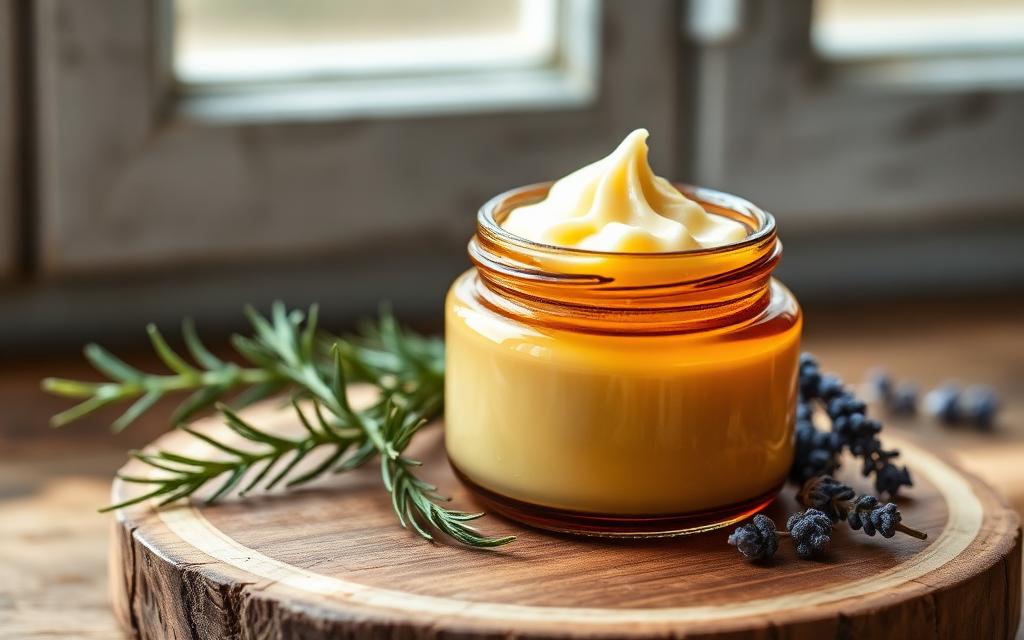
Beef tallow is rendered cow fat with a lipid profile that is unusually similar to the natural sebum your skin produces. It is rich in saturated and monounsaturated fatty acids, contains small amounts of fat soluble vitamins A, D, E and K, and provides a heavy occlusive barrier that locks moisture into the skin. For people with very dry, eczema prone or barrier compromised skin, it can deliver real benefits. For people with oily, acne prone or congested skin, it can clog pores, trigger breakouts and trap bacteria. Like most viral skincare trends, the truth lives somewhere between the influencer hype and the dermatologist horror stories.
I have been watching the ancestral skincare movement build for the last three years, and beef tallow is now its breakout product. Searches have surged nearly 470 percent, small batch tallow brands are sold out for months at a time, and the comment sections of every tallow video are split between people calling it the best moisturizer of their lives and people warning that it gave them cystic acne. Today I want to do what most beauty content avoids, which is look at the actual lipid chemistry and figure out who this product is genuinely useful for.
What beef tallow actually is
Tallow is the rendered fat of a cow, traditionally taken from around the kidneys (suet) or other internal areas. The rendering process involves slowly heating the fat, separating out the proteins and impurities, and straining the result into a solid, shelf stable wax. Quality tallow for skincare is almost always made from grass fed, pasture raised cattle because the diet of the animal directly affects the nutrient and fatty acid profile of the resulting fat.
At room temperature, tallow has a soft, waxy consistency similar to coconut oil. It melts on contact with skin into a rich, slightly oily film. The smell of unscented tallow is mild and slightly meaty, which is why most commercial tallow balms are blended with essential oils like lavender, rose, frankincense or citrus to mask the natural scent.
The lipid profile that started the trend
The reason tallow has captured the wellness world is its remarkable similarity to human sebum. Your skin produces sebum, a complex blend of triglycerides, wax esters, squalene and free fatty acids, that protects and lubricates the surface. The fatty acid profile of beef tallow looks roughly like this:
- Oleic acid (a monounsaturated omega 9 fatty acid): 40 to 50 percent
- Palmitic acid (a saturated fatty acid): 20 to 30 percent
- Stearic acid (a saturated fatty acid): 15 to 25 percent
- Palmitoleic acid (a monounsaturated fatty acid): 2 to 4 percent
- Smaller amounts of linoleic acid, myristic acid and others
Human sebum has a comparable but not identical profile, with higher palmitoleic acid (around 17 percent), notable squalene content, and significant wax esters. The ancestral skincare argument is that because tallow is biochemically closer to sebum than most plant oils or synthetic emollients, your skin recognizes it and absorbs it more efficiently.
That argument is partially correct. Tallow does absorb well and feel comfortable on dry skin. But the skincare industry has spent decades engineering plant and synthetic emollients (jojoba esters, squalane, ceramide complexes) that mimic sebum even more closely than tallow does, without the saturated fat load that can clog pores in some skin types.
The vitamin claim, examined honestly
Tallow is often marketed as being rich in fat soluble vitamins A, D, E and K. This is technically true but misleading in scale. Grass fed beef tallow does contain these vitamins, but at very low concentrations. The amount of vitamin A in a typical tallow balm is a tiny fraction of what you would get from a 0.3 percent retinol serum, and the bioavailability of dietary retinol applied topically is uncertain at best.
You should not buy tallow expecting clinical retinol benefits or vitamin D supplementation through the skin. The trace vitamin content contributes mildly to antioxidant protection and skin nourishment, but it is not the active ingredient driving any visible result. The real action of tallow is its occlusive lipid film.
Where tallow genuinely shines
For some skin types, tallow is one of the best occlusive moisturizers available. Specifically:
- Very dry, mature skin that has lost its natural lipid production with age and needs heavy reinforcement.
- Eczema, dermatitis and barrier compromised skin that struggles to retain water and reacts to most synthetic ingredients.
- Cracked hands, heels, elbows and knees exposed to harsh weather, frequent washing or manual labor.
- Diaper rash and infant skin, where the simplicity of a single ingredient balm is genuinely useful.
- Cold weather lip balm, where tallow outperforms most petroleum based balms in terms of feel and longevity.
People with these skin needs report dramatic improvements after switching to tallow, and the chemistry supports their experience. A heavy occlusive layer of mostly saturated fat with no synthetic preservatives, fragrances or potential irritants is exactly what damaged barrier skin often needs to heal.
Where tallow becomes a problem
The other side of the story is just as honest. Tallow has a comedogenic rating of around 3 on the standard 0 to 5 scale, meaning it has a moderate likelihood of clogging pores. The high palmitic and stearic acid content, while excellent at sealing in moisture, can also sit in follicles and trap dead skin cells, sebum and bacteria.
For people with oily skin, combination skin, fungal acne, hormonal acne, or any active breakout pattern, tallow is genuinely risky. I have read enough first hand reports to take this seriously. The exact same balm that transforms one person's eczema can trigger weeks of cystic acne in another person. The variable is your skin type and how prone your follicles are to congestion.
There is also a less discussed concern about bacterial growth. Tallow is a natural product with no synthetic preservatives, and once you start dipping fingers into a jar in a warm bathroom, contamination becomes possible over time. Reputable brands address this with antioxidant additives like vitamin E and rosemary extract, and recommend using clean spatulas instead of fingers.
Tallow versus modern moisturizers
How does tallow actually compare to a well formulated modern moisturizer? Here is the honest breakdown.
Versus petroleum jelly: Tallow is comparable as an occlusive but feels less greasy and absorbs better. Petroleum jelly is more inert, has a longer shelf life, and is less likely to cause acne. Tallow wins on feel, petroleum wins on safety profile across all skin types.
Versus ceramide moisturizers: Modern ceramide creams (like Cerave or La Roche Posay) actively rebuild the skin barrier by replenishing the specific lipid molecules your skin uses for structure. Tallow provides general lipid support but does not contain ceramides specifically. For barrier repair, ceramide formulas are more targeted.
Versus squalane oil: Squalane is the saturated, shelf stable version of squalene, the lipid your skin produces naturally. It is non comedogenic, lightweight, and matches sebum even more closely than tallow. For most skin types, squalane delivers similar benefits to tallow without the breakout risk.
Versus shea butter: Shea is the closest plant based equivalent to tallow in terms of richness and fatty acid profile. It is vegan, less polarizing, and has decades of cosmetic use behind it. For most people, shea is a more practical alternative.
Is tallow safe for skin?
Pure, properly rendered tallow from a reputable source is safe for skin in the sense that it is unlikely to cause toxicity or systemic harm. The risks are primarily cosmetic. Pore congestion, breakouts, contamination over time, and potential allergic reactions in people sensitive to bovine proteins are all real but manageable concerns.
If you want to try tallow, do a patch test on the inside of your forearm for one week before applying it to your face. Watch for redness, itching, small bumps or any change in your skin. If your forearm tolerates it, try it on a small area of your face for two weeks before committing to full application.
Avoid tallow entirely if you have active acne, fungal acne, very oily skin, or known sensitivities to lanolin or wool, since the fatty acid profile is somewhat similar.
How to actually use tallow if you want to try it
If your skin type fits the profile that tallow helps (very dry, mature, eczema prone, weather damaged), here is the framework I would suggest.
Buy from a reputable small batch maker using grass fed, pasture raised tallow with vitamin E or rosemary extract added as a natural preservative. Brands like Vintage Tradition, Toups and Co, Fatco, and Buffalo Gal have established quality reputations.
Use it as the last step in your evening routine, after any water based serums or treatments have absorbed. Tallow is a sealing layer, not a delivery vehicle for other actives.
Apply a tiny amount, roughly the size of a grain of rice for the entire face. Warm it between your fingertips first, then press it gently into the skin. More is not better with occlusives, and overapplication is the fastest path to congestion.
Skip it during the day if you live in a humid or warm climate, or if you wear heavy makeup. Reserve it for night use when your skin can benefit from the extended occlusion.
Stop using it immediately if you notice new bumps, congestion or breakouts. Your skin is telling you it does not match your sebum profile, and continuing will only make the problem worse.
The cost reality
A small jar of quality tallow balm costs between 25 and 50 dollars and lasts months because you use so little per application. On a per use basis, it is comparable to mid range moisturizers. Cheap tallow products on big marketplace sites are often poorly rendered, may use conventional rather than grass fed sources, and can develop rancid notes over time. Save your money or buy from a serious small producer.
The bottom line
Beef tallow is neither the miracle skincare ingredient its loudest fans claim nor the dangerous fad its harshest critics describe. It is a heavy, lipid rich occlusive that helps a specific subset of skin types (very dry, eczema prone, mature, barrier damaged) and causes problems for another specific subset (oily, acne prone, congested).
The smartest move is to know your skin type honestly, patch test before you commit, and treat tallow as one tool in a broader routine rather than a return to some imagined ancestral perfection. Your great grandmother used tallow because it was what she had access to, not because it was optimized for human skin. The chemistry is interesting and useful for the right person. It is not a replacement for ceramide creams, retinoids, sunscreen or any of the other modern formulations that have decades of clinical evidence behind them.
Skincare disclaimer
This article is for general educational purposes only and is not medical or dermatological advice. Skincare ingredients affect every person differently depending on skin type, barrier health, allergies, hormones and the rest of your routine.
Always patch-test a new product on a small area of skin for at least 48 hours, introduce one active at a time, and stop use if you see persistent irritation, burning or breakouts. If you are pregnant or breastfeeding, on prescription topicals (retinoids, antibiotics), or treating acne, rosacea, eczema or pigmentation, speak to a board-certified dermatologist before changing your routine.
See the full site-wide Disclaimer & Notice for the complete terms that apply across dmbio.