Quick Answer
Yes, beef tallow can work as a moisturizer for very dry skin because it is rich in saturated fats similar to skin's own lipids. The American Academy of Dermatology stops short of recommending it, since there are no controlled trials showing it outperforms standard ceramide or hyaluronic acid creams.
It is also occlusive and comedogenic for some people, which means it can clog pores and trigger breakouts.
Why People Tried It in the First Place
Tallow's fatty acid profile (palmitic, stearic and oleic acid) is close to the lipid composition of the human stratum corneum. The theory is that "like attracts like" and the skin can absorb it more easily than a plant-based oil. The theory is partly true. Lipid replenishment is a real mechanism in barrier repair. It is also one your skin can do with ceramides, squalane or shea butter.
What the Evidence Actually Shows
There are no peer-reviewed randomized trials comparing tallow head to head with modern moisturizers. The British Journal of Dermatology has not published any clinical study endorsing tallow specifically. Anecdotal reports from social media users describe softer skin, but those reports are not blinded and often involve people who simultaneously cleaned up their diet, slept more or stopped using harsh actives.
Who Tallow Helps
- People with extremely dry, flaky skin who tolerate occlusive creams.
- People with eczema patches who have already tried ceramide creams and want something heavier.
- People with cracked heels, elbows or hands during winter.
Who Should Skip It
- Acne-prone skin. The American Academy of Dermatology rates tallow on the higher end of comedogenicity. Pores get clogged.
- Oily combination skin. The heaviness sits on top and leaves a greasy film.
- Vegans and vegetarians obviously have plant-based alternatives.
How to Use It
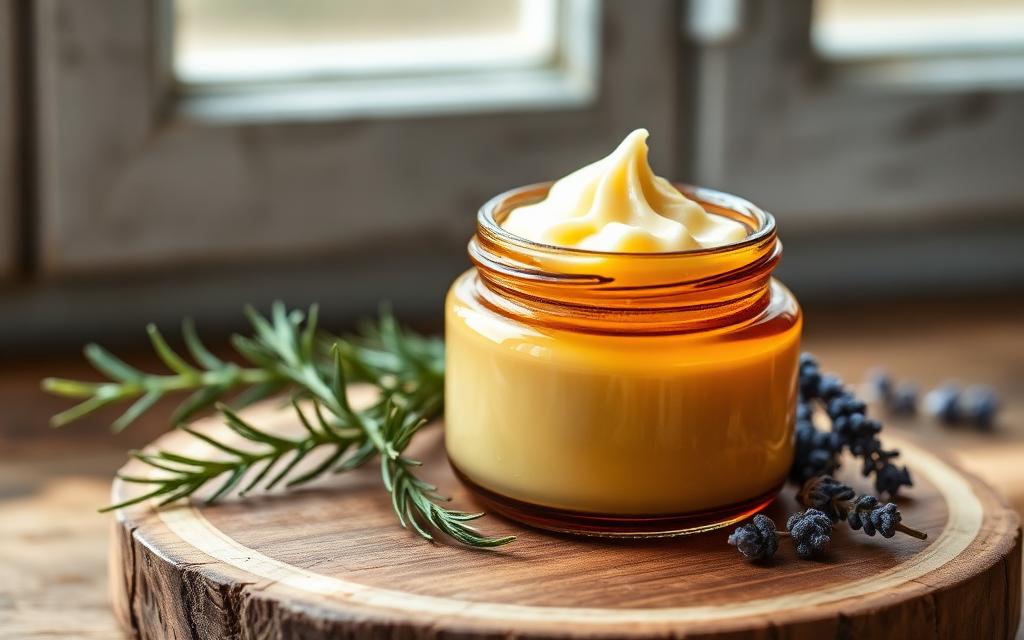
Apply a small amount, roughly the size of a pea, to clean damp skin once at night. Whipped tallow is easier to spread than solid blocks. Wait 10 minutes before lying on a pillow to give it time to absorb. Start with the back of your jaw and your forehead, not your full face, for the first week to spot test for irritation or breakouts.
What to Compare It Against
Dermatology consensus moisturizer ingredients with strong trial data include:
- Ceramides (replenish barrier lipids in eczema)
- Hyaluronic acid (draws water into the upper skin)
- Glycerin (humectant, gold standard)
- Petrolatum (the most studied occlusive in the world)
- Niacinamide (barrier and pigment support)
Tallow is closest in function to petrolatum and shea butter. It is not closer to "natural" skin chemistry just because it comes from an animal.
Buying or Making It
Boutique tallow balms run $20 to $40 for a small jar. A pound of grass-fed suet at the butcher counter renders down into 12 to 16 ounces of tallow for under $10. The rendering process is the same as the kitchen method, with no fragrance added.
Safety
Patch test on the inner forearm for 48 hours before face use. People with beef or dairy allergies should avoid it. Pregnant readers can use topical tallow safely. The FDA does not regulate it as a drug, which means marketing claims like "heals wrinkles" should be ignored.
Bottom Line
Beef tallow is a legitimate occlusive moisturizer for dry skin, especially in winter. It is not magic and it is risky on acne-prone skin. If your current ceramide cream works, do not switch. If you have stubbornly dry patches and tolerate heavier creams, a small jar is cheap to try.
Common Questions About Tallow Skincare
Will tallow give me acne?
It is mildly comedogenic. People with acne-prone skin should patch test for a week before applying to the full face.
Can I use it during the day?
Yes, but it leaves a slight sheen. Most people prefer it as a nighttime moisturizer.
Does it expire?
Properly rendered tallow in a sealed jar keeps for 6 to 12 months at room temperature. Refrigerate to extend shelf life. Discard if it smells rancid.
Is it cruelty free?
No. Tallow is rendered from beef fat, which is a slaughter byproduct. Vegans use shea butter, mango butter or plant-based ceramide creams for the same occlusive function.
How to Choose a Quality Tallow Balm
If you would rather buy than render, look for a balm with three or four ingredients (grass-fed tallow, olive oil, beeswax and an optional essential oil). Avoid balms that add fragrance, dyes or surfactants. Texture should be soft and creamy at room temperature, not hard like wax. A small jar (1 to 2 ounces) lasts months because a little goes a long way. Expect to pay $20 to $40 from artisan makers. Mass market tallow creams from drugstore brands typically cut the tallow with cheaper fillers, so the actual lipid replenishment benefit is lower.