Quick Answer
Plain cooked pasta noodles are safe for dogs in strict moderation, but pasta with any tomato sauce, onion or garlic is genuinely dangerous.
Plain boiled spaghetti or penne is non toxic, easy to digest and can be useful when a vet recommends a bland diet for an upset stomach. The danger is not the pasta itself, it is the sauce most pasta is served with. Garlic and onion belong to the Allium family and cause hemolytic anaemia in dogs by destroying red blood cells.
Plain Pasta: What Is Actually Safe
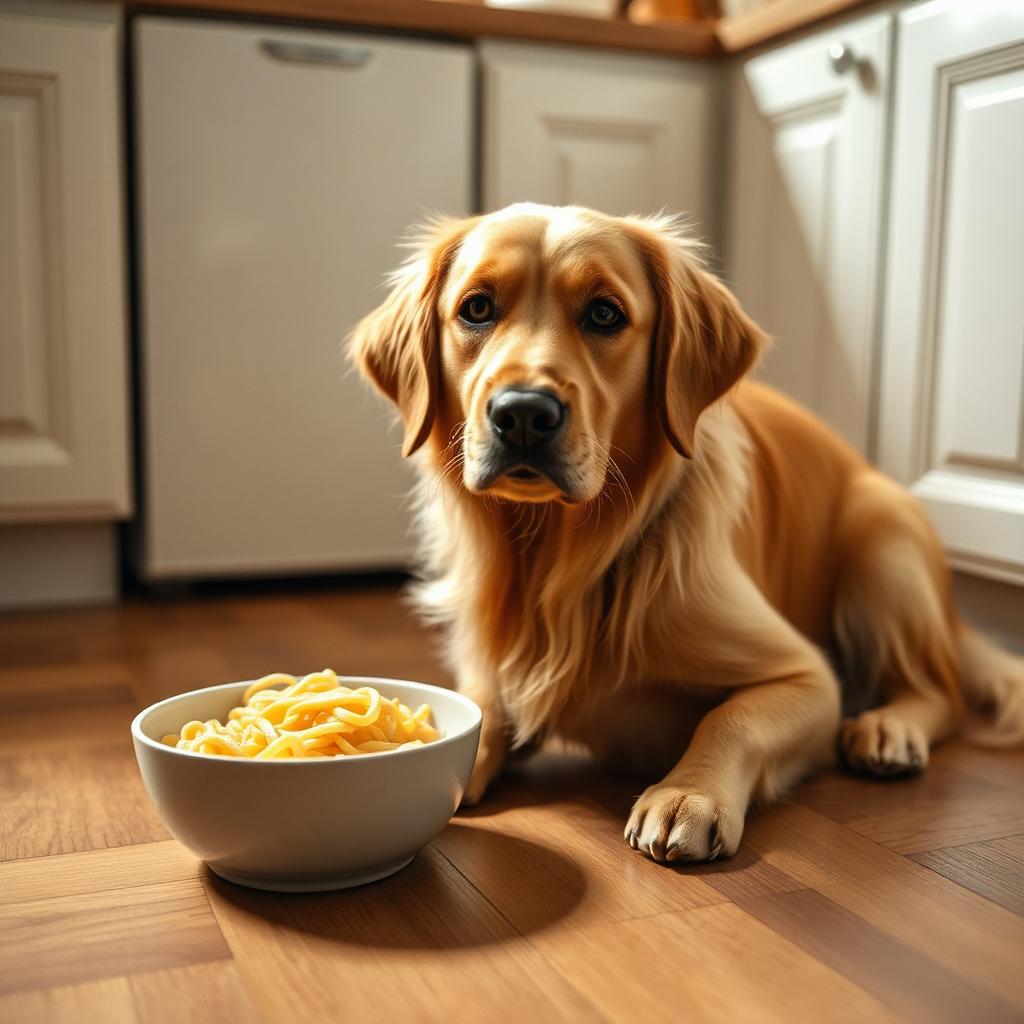
- Plain boiled spaghetti, penne, macaroni, fusilli or rice noodles.
- No salt added to the cooking water.
- No oil, butter, cheese or seasoning.
- Served cool, in small chunks, in tiny amounts.
- Treated as an occasional treat, not a meal replacement.
Most healthy adult dogs can handle a few small forkfuls of plain cooked pasta without any issue. Some dogs are sensitive to wheat or grain; if your dog has shown food sensitivities, ask your vet before adding pasta.
What Makes Pasta Dangerous for Dogs
- Onion and garlic: both are in the Allium family and cause oxidative damage to canine red blood cells. Symptoms include weakness, lethargy, pale gums, vomiting and dark urine. Damage can be cumulative even from small repeated doses.
- Tomato sauce: ripe tomatoes are safe in small amounts, but most pasta sauces contain garlic, onion, salt and sometimes wine, which are not.
- Cream and cheese: most adult dogs are lactose intolerant. Cream sauces and heavy cheese trigger vomiting and diarrhoea.
- Pesto: contains a lot of garlic. Toxic.
- Salt and butter: excess sodium and saturated fat can cause pancreatitis, especially in small breeds.
- Spicy sauces: chilli irritates the canine digestive tract.
If Your Dog Ate Pasta Sauce
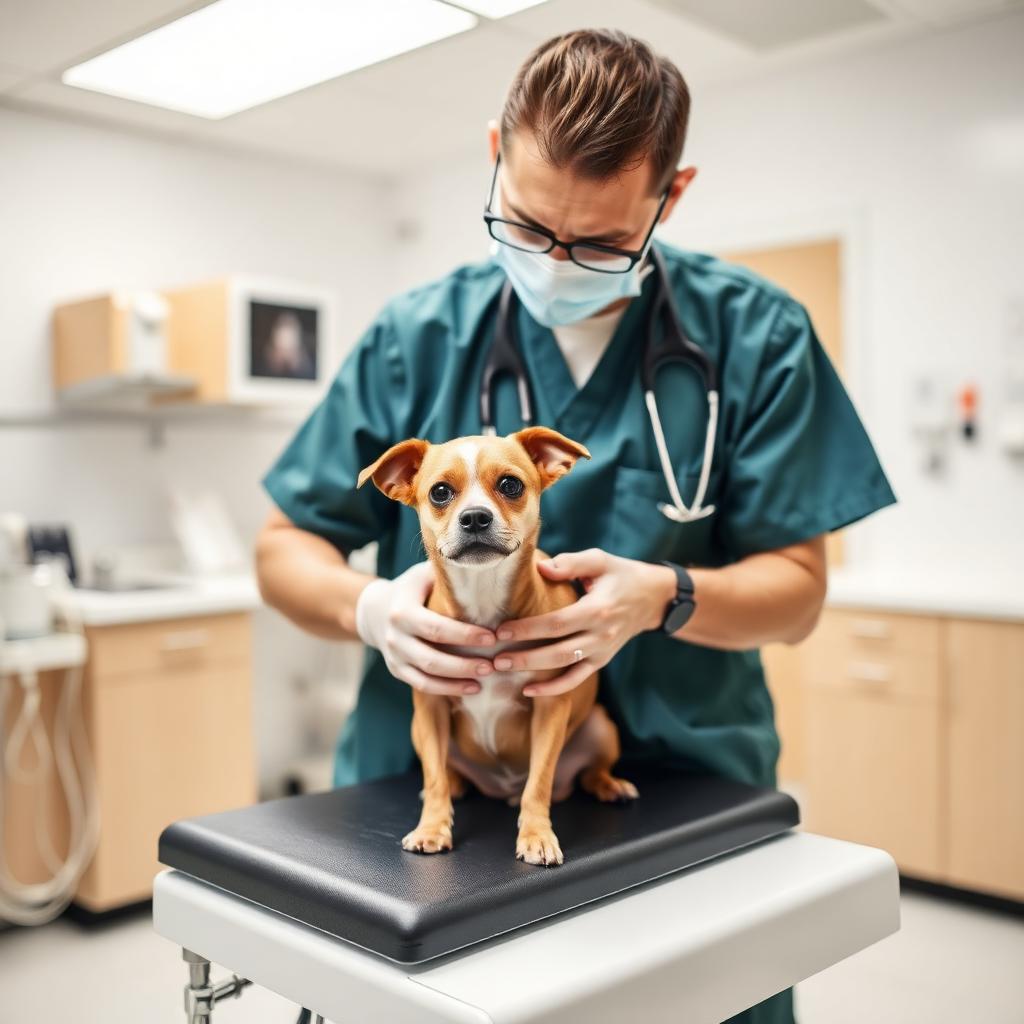
Do not wait for symptoms to appear. Call your vet, the ASPCA Animal Poison Control Center on +1 (888) 426-4435, or in the UK the Animal PoisonLine on 01202 509000. Give the operator the dog's weight, what was eaten, how much and when. Allium toxicity can take 1 to 3 days to fully present, so early veterinary review is important even if your dog seems fine.
Better Treats Than Pasta
- Small cubes of plain cooked chicken breast.
- Plain cooked rice (often paired with chicken for bland diets).
- Carrot sticks, green beans, blueberries, watermelon (no rind or seeds).
- Plain pumpkin puree (not pie filling).
- Vet approved commercial dog treats.
Bottom Line
Plain cooked pasta noodles are not bad for dogs in small, occasional amounts. Pasta with any garlic, onion, cream, cheese or seasoning is dangerous and should never be shared. When in doubt, leave the pasta on your plate and offer your dog a piece of plain cooked chicken or a vet approved treat instead.
Are Pasta Noodles Bad for Dogs: Frequently Asked Questions
Are pasta noodles bad for dogs in small amounts?
Plain cooked pasta in small portions is not toxic to dogs. The risk is the sauce, not the noodle.
Why is pasta sauce dangerous for dogs?
Most pasta sauces contain garlic and onion, both of which are toxic to dogs and cause hemolytic anemia.
How much plain pasta can a dog eat?
A few tablespoons as an occasional treat is fine for a medium sized dog. It should never replace balanced dog food.
Can puppies eat pasta?
Very occasionally and in tiny amounts. Their digestive systems are sensitive and they need complete puppy nutrition.
What if my dog ate pasta with sauce?
If the sauce contained onion, garlic or large amounts of cheese, contact your vet. Watch for vomiting, weakness or pale gums.
Is gluten free pasta better for dogs?
Only if your dog has a confirmed wheat allergy. Otherwise plain wheat pasta in small amounts is fine.
Safer Treats and Warning Signs: More Reader Questions
What human foods are safer than pasta for dogs?
Plain cooked chicken, carrot sticks, blueberries, and small pieces of apple without seeds.
Signs my dog ate something toxic?
Vomiting, drooling, lethargy, pale gums, dark urine. Call the vet immediately if you see any.
Can dogs eat pasta with butter?
A tiny smear is fine but butter is high in fat and can upset sensitive stomachs.
Is wholemeal pasta better for dogs?
Marginally because of the fibre, but the portion still needs to be small.
Are pasta cooking water and salt a problem?
Yes. Never give a dog water that pasta was salted in. Excess salt is dangerous.
Practical Tips and Final Notes
Finally, trust your senses. Sight, smell, and a small careful taste will tell you more than any printed date or internet rule. Cook often, ask why something worked, and your judgement will sharpen with every meal.