Quick Answer
It depends on the vehicle and where you live. A factory 4x4 SUV or truck is street legal out of the box, but modifications can quickly push it out of compliance. UTVs, side-by-sides, and ATVs are usually not street legal at the federal level; whether they can be plated for public roads depends entirely on state law.
Some states (Utah, Arizona, Montana, Idaho, Wyoming) make it easy. Others (California, New York, Pennsylvania, New Jersey) effectively ban it.
Full-size 4x4 trucks and SUVs
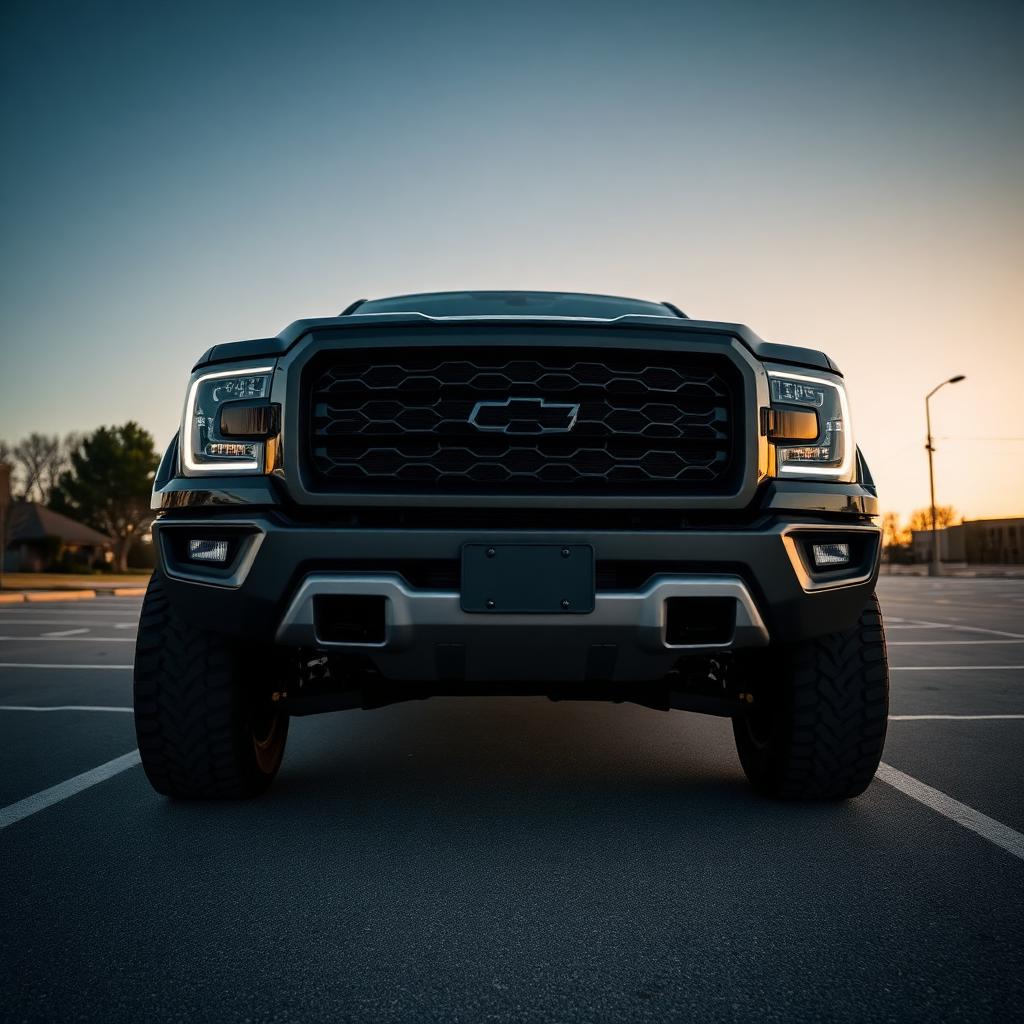
A factory Bronco, Tacoma, Wrangler, or 4Runner is street legal from the dealer. The complications start when I modify it. The most common ways trail mods break street legality:
Tire coverage and fender laws
Many states (California, Pennsylvania, Utah, and others) require tire tread to sit within the fender or fender flare. Exposed tread throws rocks and debris into other drivers, which is both a citation and a real safety issue. Wide wheel spacers and oversized tires with no flares are the most common trigger.
Bumper and headlight height limits
States set maximum bumper heights so a lifted vehicle's bumper still lines up with a sedan's crumple zone in a collision. Limits vary from about 22 to 31 inches at the bottom of the front bumper, measured from the pavement. Push a lift kit past that number and the vehicle is no longer legal.
Auxiliary lighting
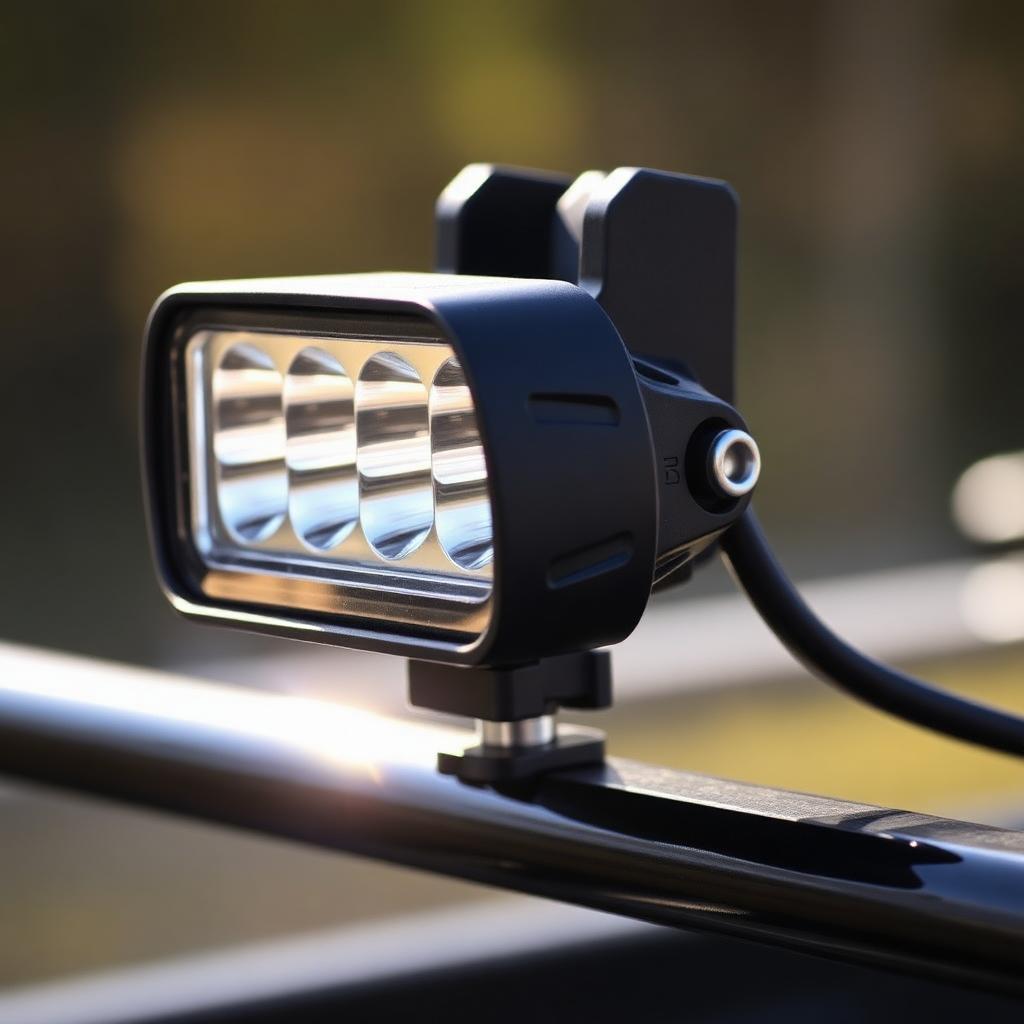
LED light bars and pod lights are common. Running them on public roads is essentially never legal. Many states additionally require an opaque cover over the lens whenever the vehicle is on a public highway, even during the day.
UTVs, ATVs, and side-by-sides: the state-by-state divide
At the federal level, ATVs and UTVs are classified as off-highway vehicles. They do not meet Federal Motor Vehicle Safety Standards (FMVSS) for crashworthiness, so they cannot be sold as street-legal automobiles. States can override that for use on state and local roads.
States that make it easy
Utah, Arizona, Montana, Idaho, Wyoming, South Dakota, and a growing list of others let owners plate a UTV or ATV for use on most non-interstate public roads. To qualify, I typically need:
- Front and rear turn signals
- A horn audible from 200 feet or more
- Dual mirrors (side or one rearview plus one side)
- DOT-approved tires and windshield glass or an eye-protection exemption
- A lit rear license plate mount
- Liability insurance and paid registration
States that prohibit it
California, New York, New Jersey, Pennsylvania, and a handful of others largely ban UTVs and ATVs from public roads. In these states the vehicle stays on private land or dedicated OHV parks and must be trailered to the trailhead.
The universal street-legal checklist
| Category | Requirement |
|---|---|
| Windshield | DOT-approved safety glass with working wipers (not Lexan or acrylic) |
| Tires | DOT-stamped; pure agricultural or competition tires are out |
| Emissions | Catalytic converters and mufflers intact; no deletes |
| Occupant restraints | Factory seatbelts or SFI/FIA-rated harnesses for all seats |
| Lighting | Working DOT head, tail, brake, turn, and license plate lights |
Bottom line
Whether an off-road vehicle is street legal comes down to what it is and where you live. Modified 4x4 trucks and SUVs stay legal as long as the mods respect fender, height, and lighting laws. UTVs and ATVs are legal on public roads only where state law allows plating. Check your DMV or state OHV office before you buy, and never assume a neighbor's plated buggy means yours will pass.
Frequently asked questions
Can I drive a street-legal UTV on the interstate?
In almost every state that allows UTV plating, the vehicle is restricted to roads with posted speed limits below a set threshold, usually 45 or 55 mph. Interstates and other controlled-access highways are almost always off limits, even in the most permissive states like Utah and Arizona.
Does insurance cover a street-legal UTV like a car?
Not automatically. You typically need a specific powersports or off-road policy with an on-road endorsement. Standard auto insurance will not pay out on a UTV crash on public roads. Get the endorsement in writing before you drive off the lot.
What lift height is generally safe for street-legal 4x4s?
A 2 to 3 inch suspension lift with matched tires under 35 inches usually keeps most trucks within legal bumper height and fender coverage across the majority of states. Beyond that, you are into a state-by-state check. California, in particular, ties maximum frame and bumper height to vehicle weight class.
Are my off-road tires legal on the highway?
Most name-brand mud-terrain and all-terrain tires carry a DOT stamp and a load and speed rating. Those are highway legal. Pure competition tires, agricultural tires, and paddle tires without DOT stamps are not legal on public roads.
Do bull bars and rock sliders affect street legality?
In the United States, aftermarket bumpers and sliders are generally legal as long as they mount securely, do not exceed maximum height limits, and do not obstruct required lighting or license plate visibility. Some European and Australian markets are much stricter and require certification. Always check local rules before installing something welded to the frame.