Quick Answer
For most daily drivers, yes. A $15 to $40 clear or color-matched edge guard prevents the chips, dings, and paint flaking that typically cost $300 to $800 per door to repair professionally.
They are most worth it on leased vehicles (to avoid end-of-lease wear charges), in tight garages, on vehicles parked in busy lots, and on cars where you want to preserve resale paint.
What edge guards actually prevent
The leading edge of a door takes the most damage in everyday use: bumping the wall in a tight garage, the door swinging open into a concrete pillar, kids pushing the door wider than intended, and the slow paint chipping from rubbing against shopping carts or other vehicles. A good guard absorbs that contact instead of your paint.
The three main types
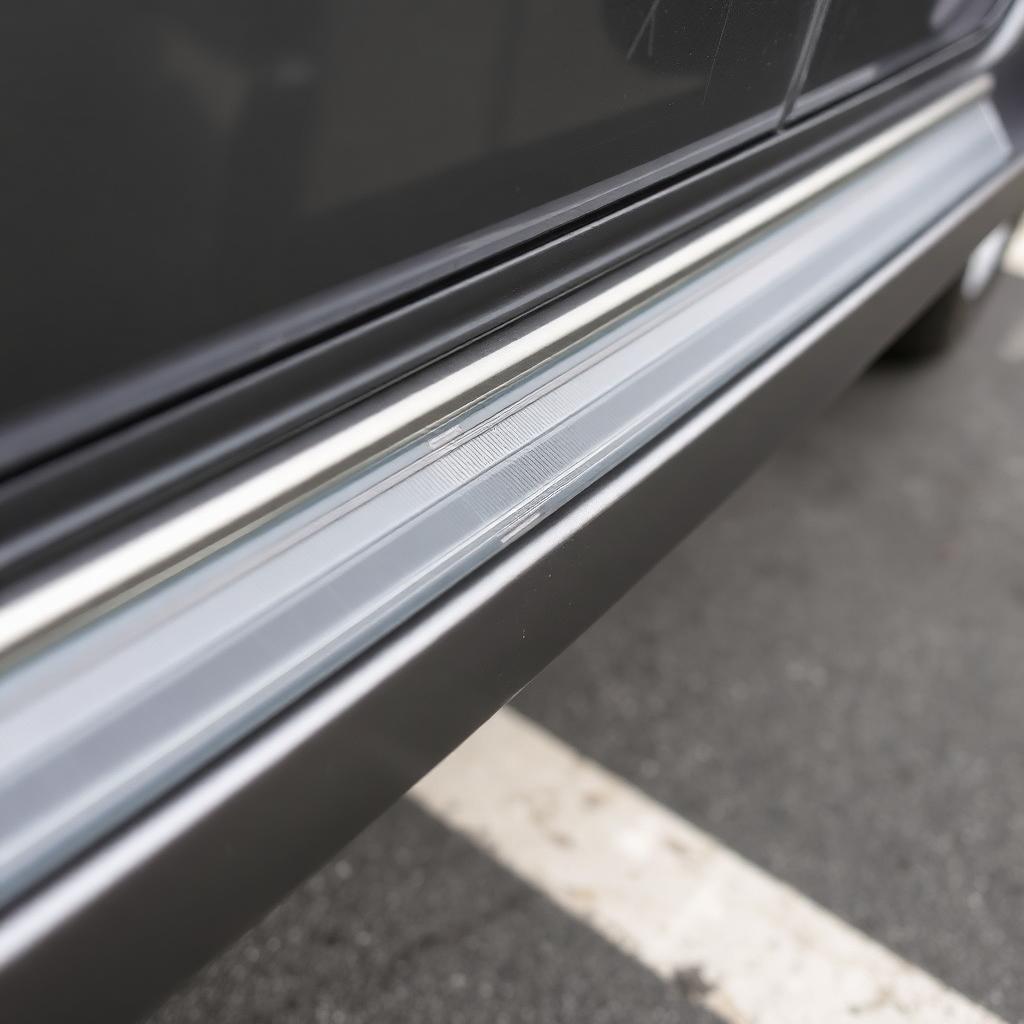
Clear urethane film (3M, Lamin-x) is essentially the same material used in paint protection film. It is nearly invisible, lasts five to seven years, and is the choice for premium or color-sensitive paint. Rubber U-channel guards snap onto the door edge and offer the most physical impact protection but are visible. Painted plastic OEM-style guards (often dealer-installed) match the body color and protect the edge while looking factory.
Cost vs benefit
A DIY urethane kit costs $15 to $30. A rubber guard set runs $20 to $40. Dealer-installed body-color guards typically cost $150 to $300 installed. A single repaint of one door at a body shop runs $300 to $800, and a deep gouge through to bare metal can exceed $1,000. The break-even is one prevented chip.
Where they fall short
They do not protect against side-panel dents (you need a parking sensor or your own awareness for that), and the cheapest rubber versions can yellow or shrink in two to three years. Improperly installed urethane can trap moisture and cause paint micro-bubbling, so clean and prep the surface carefully.
Installation tips
Wash and clay-bar the door edge, wipe with isopropyl alcohol, and apply on a warm day (above 60F / 15C). For urethane, use the soapy water "slip" method to position before squeegeeing the bubbles out. Rubber guards usually press on dry but benefit from a hair dryer to soften them around tight curves.
When they are not worth it
If you have an older car with already-damaged paint, the cost-benefit shifts. Skip them on classics where originality matters or on commercial fleet vehicles where appearance is not a priority.
Bottom line
For under $40 and 20 minutes of work, edge guards prevent the single most common cosmetic damage to a daily-driver car. Worth it for most owners.
Insurance and lease-return math
Most car insurance policies do not cover cosmetic door chips under $500 because of deductibles, so chip repair comes out of pocket. On a lease return, the typical wear-and-tear allowance is one chip per panel up to 1/4 inch; deeper or more numerous chips on a single door trigger a fee of $100 to $300 per door. A $20 edge guard absorbs the exact damage that lease inspectors flag most often.
Best guard type by use case
Daily-driver leased sedan: clear urethane for invisible end-of-lease protection. Family SUV with car-seat doors that swing open hard: rubber U-channel for maximum physical buffer. Show car or weekend classic: skip them entirely (originality matters more than chip prevention since the car rarely lives in tight lots).
Two-minute weekly check
Glance at the leading edge of each door once a week to confirm the guard has not lifted, yellowed, or trapped grit. Anything caught early is a 30-second peel-and-replace. Ignored, a lifted guard can hold moisture and accelerate the very paint damage it was meant to prevent.
Step-by-step urethane install on a new car
Wash with car shampoo. Clay-bar the door edge to remove embedded contaminants. Wipe with 70 percent isopropyl alcohol and let dry. Mix two drops of dish soap into a spray bottle of water and lightly mist the door edge and the back of the urethane strip. Position the strip, then squeegee from the center out to push slip-water and bubbles out the edges. Let cure 24 hours before opening the door hard.
Common mistakes to avoid
Skipping the clay bar (traps grit under the film). Installing in cold weather under 50F (poor adhesion). Stretching the urethane to "fit" (bubbles will return). Forgetting to wrap the edge fully (water creeps under). Take 20 minutes and do it once correctly.
When to replace
Yellowing, lifting at the corners, embedded grit visible through the film, or any tearing. Most urethane lasts five to seven years on a daily driver; rubber guards typically need replacement every two to three years.
One last cost-benefit summary
Roughly $30, twenty minutes, one weekend. That is the full cost of protecting the most damage-prone part of your car for years. The downside is essentially zero on a properly prepped surface. For any car you intend to keep clean, sell at a good price, or return at lease end, door edge guards are an easy yes.