Quick Answer
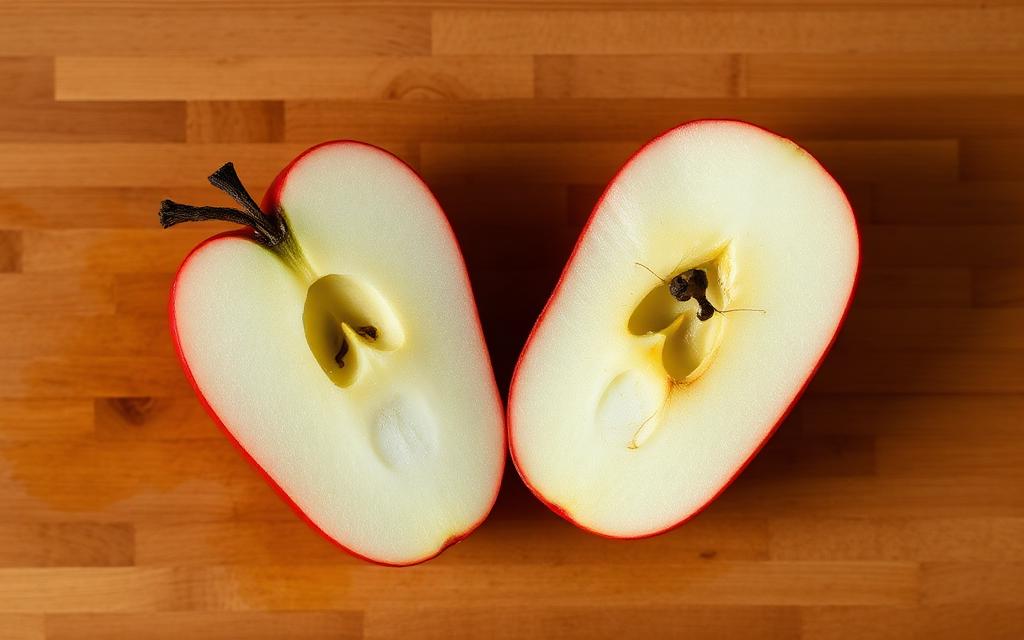
Sliced apples turn brown because cutting the fruit ruptures its cells and exposes an enzyme called polyphenol oxidase, or PPO, to oxygen in the air. PPO reacts with natural plant compounds inside the apple and produces brown pigments called melanins.
The same reaction is responsible for browning in pears, bananas, potatoes and avocados. It is not spoilage, and it does not make the fruit unsafe.
The short answer
Sliced apples turn brown because cutting the fruit ruptures its cells and exposes an enzyme called polyphenol oxidase, or PPO, to oxygen in the air. PPO reacts with natural plant compounds inside the apple and produces brown pigments called melanins. The same reaction is responsible for browning in pears, bananas, potatoes and avocados.
It is not spoilage, and it does not make the fruit unsafe. It is a defense mechanism the apple evolved to protect itself from insects and microbes when its skin is broken.
The chemistry of enzymatic browning
Inside an intact apple, PPO is safely tucked inside one part of the cell, while the polyphenols it would normally react with are tucked inside another. A knife crushes that internal structure and lets the enzyme, the polyphenols and oxygen meet for the first time.
Within minutes, this triad creates compounds called quinones. Quinones are unstable and immediately start linking together into long chains, which then rearrange themselves into the dark, rust colored pigments you see on the surface. The same chemistry, in a slower form, is what gives black tea its color and what tans the cut surface of an avocado.
Browning starts at the surface because that is where oxygen first reaches the cells. As more oxygen diffuses inward, the brown layer thickens. In a slice left out for hours, the discoloration can travel several millimeters into the flesh.
Why some apples brown faster?
Not all apples brown at the same speed. Varieties with higher PPO activity, such as Granny Smith, Red Delicious and McIntosh, brown noticeably within five to ten minutes. Newer cultivars like Cosmic Crisp, Honeycrisp and the genetically modified Arctic apple have lower PPO levels and can stay pale for several hours.
Apples grown in warmer regions tend to have higher PPO activity than those grown in cool climates, because the enzyme is part of the fruit's stress response. The same variety from two different farms can brown at different speeds.
Storage time matters too. An apple held in cold storage for many months may have lower PPO activity than a freshly picked one, because the enzyme slowly degrades over time.
How to stop the browning?
- Acid: A splash of lemon, lime or orange juice lowers the pH below the level at which PPO works. This is the simplest and most effective method.
- Cold: Storing slices in the fridge slows the enzyme dramatically because chemical reactions run slower at low temperatures.
- Water barrier: Submerging slices in cold water blocks oxygen from reaching the surface. This works for an hour or two.
- Salt water: A short soak (about three minutes) in lightly salted water disrupts PPO activity. Rinse before serving so the apple does not taste salty.
- Plastic wrap pressed flush against the cut surface: Removes the air gap that browning needs.
- Honey water: A small peptide in honey blocks PPO. A teaspoon of honey in a cup of water keeps slices pale for a packed lunch.
What happens to the flavor and nutrition?
As browning progresses, the apple loses some of its tartness and develops a faintly bitter, oxidized flavor. The texture softens because the same enzymes that drive browning also weaken cell walls. Vitamin C content drops as the antioxidants are used up neutralizing the quinones.
The nutritional loss is small in the first hour and becomes meaningful only after several hours of exposure. A brown slice eaten the same day still delivers most of its fiber, potassium and polyphenols.
Is brown apple safe to eat?
Yes. Browning is a cosmetic change, not a sign of spoilage. The flavor and texture soften slightly, but the fruit is safe until it shows mold, an off smell, slime or visible rot. Schools and lunchbox guides often discard brown slices for appearance reasons, not safety reasons.
Why this matters in food packaging?
The food industry spends a surprising amount of money fighting enzymatic browning. Pre packaged apple slices for school lunches, fruit cups in supermarkets and bagged salads with apple pieces all rely on careful control of pH, oxygen and temperature. The most common industrial trick is a brief calcium ascorbate dip, which combines vitamin C as the acid and calcium ions to firm the cell walls.
That is also how you get pale, almost glassy looking apple slices in convenience packs that stay bright for weeks. The fruit is genuinely fresh, but the surface chemistry has been paused.
Other foods that brown for the same reason
- Bananas: very high PPO activity, which is why they brown within minutes of bruising.
- Avocados: the same chemistry, with extra speed because the flesh is soft and easily oxygenated.
- Potatoes: brown rapidly when peeled, which is why chefs hold them in cold water before cooking.
- Mushrooms: turn dark when sliced, especially as they age.
- Pears and quinces: close cousins of apples and behave the same way.
A small experiment you can run at home
Slice one apple into eight wedges. Leave two wedges plain on the counter, dip two in lemon juice, drop two into a glass of cold water, and put the last two in the fridge in a sealed container. Check after one hour and again after four. The visual difference between the four conditions is the clearest demonstration of enzymatic browning you will see outside a chemistry classroom.
The takeaway
The browning of a sliced apple is a tiny, fast running chemistry experiment on your kitchen counter. Lemon juice, cold water and an airtight container are enough to pause the reaction long enough to enjoy a fresh looking snack. And if you forget, the brown slices are still perfectly good food.
Quick recap
Use this as the short version to save or share. The key facts above explain the why and the how, but the practical takeaway is simple: small habits and small ingredient choices compound. Make the change once, and your future routine gets a little easier and a little better every time you repeat it.
If you found this helpful, browse the related answers below for more everyday questions broken down the same way. Every article on dmbio is researched and updated when new evidence comes in, so you can come back to the same page months later and trust that the answer still holds.